
The Rise of Ethereum: A Deep Dive into Its Ecosystem and Impact
Ethereum has emerged as a revolutionary force in the world of cryptocurrency, significantly impacting the blockchain landscape.
With its smart contract capabilities, Ethereum enables developers to build decentralized applications (dApps) and leverage DeFi protocols, making it a cornerstone of innovation in the crypto space.
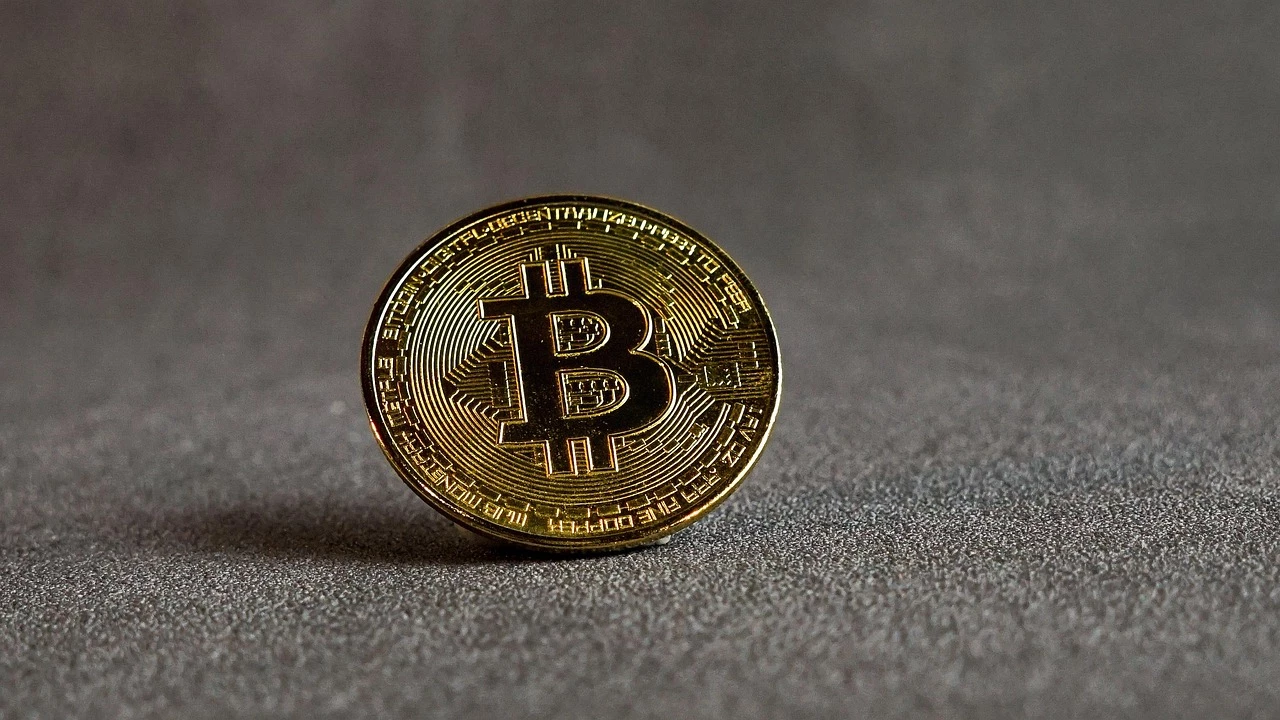
As Bitcoin often takes the spotlight, Ethereum quietly shapes the future, demonstrating that it is not just a secondary player but a powerhouse in its own right.
Ethereum: More than Just a Cryptocurrency
The Birth of Ethereum
Launched in 2015 by Vitalik Buterin and a team of developers, Ethereum was designed to expand the capabilities of blockchain beyond simple transactions.
Unlike Bitcoin, which primarily serves as a digital currency, Ethereum enables the execution of smart contracts, allowing for programmable transactions and automated agreements.
Smart Contracts Explained
Smart contracts are self-executing contracts with the terms directly written into code. They automatically enforce and execute agreements based on predetermined conditions.
This innovation eliminates the need for intermediaries, reducing costs and increasing efficiency in various sectors, from finance to supply chain management.
The Role of Ethereum in Decentralized Finance (DeFi)
Ethereum has become the backbone of the DeFi movement, hosting platforms like Uniswap, Aave, and Compound that allow users to lend, borrow, and trade without traditional banks.
DeFi's rapid growth highlights Ethereum's importance in providing financial services to the unbanked and enhancing financial inclusion globally.
NFTs and Their Connection to Ethereum
The NFT Boom
Non-fungible tokens (NFTs) have taken the art and entertainment industries by storm, with Ethereum serving as the primary blockchain for creating and trading these unique digital assets.
Artists and creators leverage NFTs to tokenize their work, granting ownership and provenance through the blockchain, fundamentally changing the way art is bought and sold.
Key NFT Marketplaces
Popular marketplaces like OpenSea and Rarible operate on the Ethereum blockchain, facilitating the buying and selling of NFTs across various categories including art, music, and virtual real estate.
These platforms empower creators while offering collectors a diverse range of digital assets to invest in.
Ethereum 2.0: A Game Changer for Scalability and Sustainability
Transitioning to Proof of Stake (PoS)
Ethereum 2.0 represents a significant upgrade aimed at improving the network's scalability and energy efficiency by transitioning from a proof of work (PoW) to a proof of stake (PoS) consensus mechanism.
This shift will reduce energy consumption drastically, addressing environmental concerns associated with traditional mining processes.
Scalability Solutions
With the introduction of sharding and layer 2 solutions like Optimistic Rollups, Ethereum 2.0 aims to enhance transaction throughput, making it more capable of handling a growing number of users and applications.
These advancements are crucial as Ethereum continues to compete with other blockchains vying for dominance in the dApp space.
Challenges Ahead for Ethereum
High Gas Fees and Network Congestion
Despite its advantages, Ethereum faces challenges such as high gas fees, which can deter users from participating in transactions, especially during peak times.
Efforts are underway to address these issues through technical improvements and the development of alternative layer 2 solutions.
Builders who last in The Rise of Ethereum: A Deep Dive into Its Ecosystem and Impact do unglamorous work. Document edge cases, measure latency, track fees and liquidity, and review error budgets. Discipline compounds faster than hot takes. Treat KULA as one variable in a wider model. Clarity in scope and metrics keeps teams aligned in The Rise of Ethereum: A Deep Dive into Its Ecosystem and Impact. Write crisp definitions of done, instrument the path to green, and audit dependencies. Small, testable changes lower risk and speed up feedback. Most outcomes in The Rise of Ethereum: A Deep Dive into Its Ecosystem and Impact come from repeatable systems. Define assumptions, risks, invalidation points, and a recheck cadence. This habit beats narratives. Use KULA as a lens, but let decisions follow current data, not hype. Focus on liquidity, counterparty risk, and execution quality in The Rise of Ethereum: A Deep Dive into Its Ecosystem and Impact. Prefer clear fee schedules and avoid hidden slippage. When uncertainty rises, reduce position size and extend review intervals. Operating in The Rise of Ethereum: A Deep Dive into Its Ecosystem and Impact benefits from early telemetry and automated dashboards. Transparency reduces rework and panic moves. When KULA shifts, context is already captured, so you can adjust calmly instead of reacting late.
Focus on liquidity, counterparty risk, and execution quality in The Rise of Ethereum: A Deep Dive into Its Ecosystem and Impact. Prefer clear fee schedules and avoid hidden slippage. When uncertainty rises, reduce position size and extend review intervals. Operating in The Rise of Ethereum: A Deep Dive into Its Ecosystem and Impact benefits from early telemetry and automated dashboards. Transparency reduces rework and panic moves. When KULA shifts, context is already captured, so you can adjust calmly instead of reacting late. Clarity in scope and metrics keeps teams aligned in The Rise of Ethereum: A Deep Dive into Its Ecosystem and Impact. Write crisp definitions of done, instrument the path to green, and audit dependencies. Small, testable changes lower risk and speed up feedback.
Competition in the Blockchain Space
Ethereum is not without competition; numerous blockchains like Binance Smart Chain, Solana, and Cardano are emerging with promises of lower fees and faster transactions.
To maintain its position, Ethereum must continuously innovate and enhance its ecosystem while addressing existing limitations.
Key Takeaways
- Size positions small and review weekly.
- Cut losers early, let winners work.
- Avoid leverage creep during volatility.
- Use data, not headlines, to decide.