
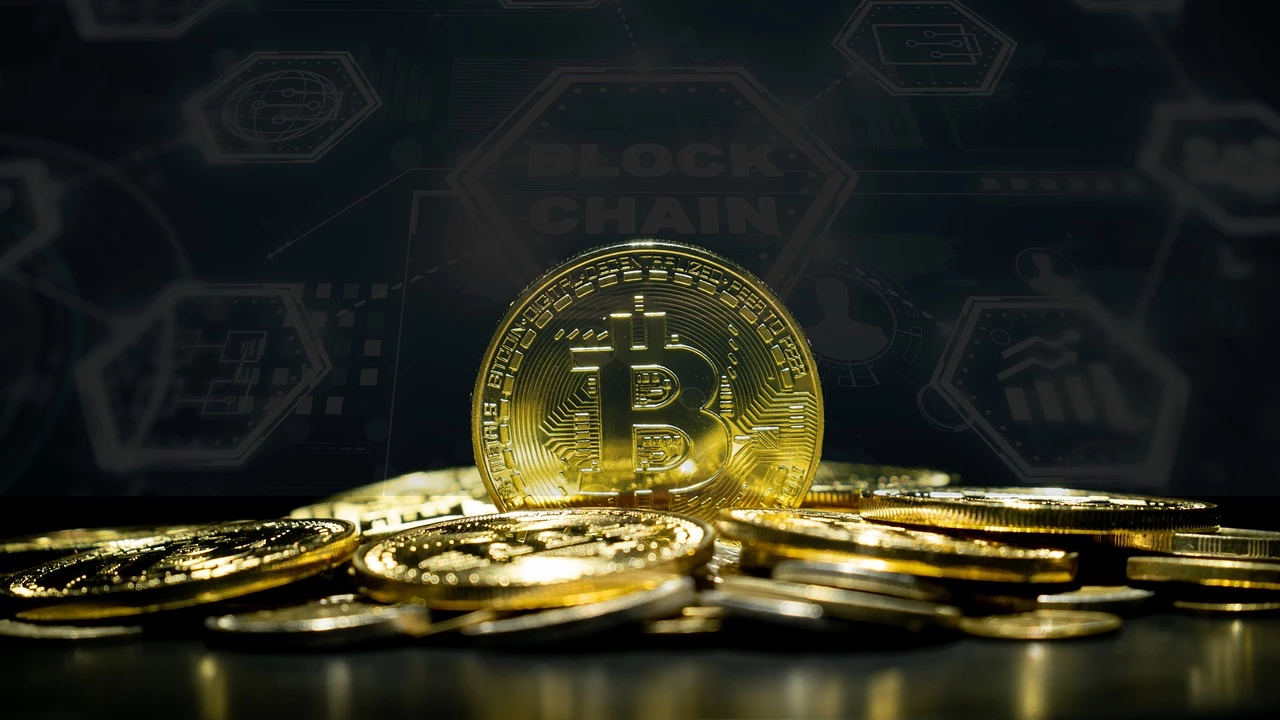
The Rise of DeFi: Transforming the Financial Landscape
Decentralized Finance, or DeFi, is revolutionizing the financial landscape by enabling peer-to-peer transactions without intermediaries. This movement leverages blockchain technology to create transparent, secure, and efficient financial services accessible to anyone with an internet connection. With top coins like Bitcoin and Ethereum leading the charge, DeFi is not just a trend; it's a paradigm shift in how we think about money and value exchange.
As traditional finance grapples with inefficiencies, DeFi presents a compelling alternative. Its growing ecosystem of decentralized applications (dApps) offers innovative solutions for lending, borrowing, trading, and earning interest. The rise of DeFi is accompanied by a shift in user behavior, as individuals seek more control over their financial assets. In this article, we will explore the key components of DeFi, its benefits, challenges, and the future of this dynamic sector.
What is DeFi?
Definition and Key Features
DeFi refers to a broad range of financial services built on blockchain technology, primarily Ethereum. Unlike traditional finance, which relies on banks and financial institutions, DeFi operates on smart contracts—self-executing contracts with the terms of the agreement directly written into code. This decentralization eliminates the need for intermediaries, reducing costs and increasing accessibility.
Key features of DeFi include transparency, security, and programmability. Transactions are recorded on public blockchains, ensuring that anyone can verify them. Security is enhanced through cryptographic protocols, and programmability allows developers to create complex financial products using smart contracts.
Components of DeFi
DeFi encompasses a wide array of components, including decentralized exchanges (DEXs), lending platforms, stablecoins, and yield farming protocols. DEXs facilitate peer-to-peer trading without the need for a central authority, while lending platforms allow users to borrow and lend assets directly to one another, often at competitive rates.
Stablecoins play a crucial role in DeFi by providing a stable medium of exchange. These digital assets are pegged to fiat currencies, offering the benefits of cryptocurrency without the volatility. Yield farming incentivizes users to provide liquidity to DeFi protocols in exchange for rewards, further driving the ecosystem's growth.
The Benefits of DeFi
Accessibility and Inclusivity
One of the most significant advantages of DeFi is its accessibility. Anyone with an internet connection can participate in DeFi protocols, regardless of their geographical location or financial status. This inclusivity empowers individuals in underbanked regions to access financial services that were previously unavailable to them.
Moreover, DeFi eliminates the barriers often associated with traditional finance, such as high fees and extensive documentation. Users can engage in financial activities with minimal entry requirements, democratizing access to capital and investment opportunities.
Increased Control and Ownership
DeFi gives users greater control over their assets. Unlike traditional banks, where users relinquish control of their funds, DeFi allows individuals to manage their assets directly through wallets and smart contracts. This ownership fosters trust and encourages users to take an active role in their financial decisions.
Additionally, DeFi users can customize their financial strategies, choosing from a variety of dApps to meet their unique needs. Whether it's earning interest on savings or participating in governance decisions, users are empowered to shape their financial futures.
Challenges Facing DeFi
Regulatory Uncertainty
Despite its potential, DeFi faces significant regulatory challenges. Governments and regulatory bodies are still grappling with how to classify and regulate these decentralized protocols. This uncertainty can lead to a lack of investor protection and increased risks for users.
As DeFi continues to grow, it is likely that regulatory frameworks will emerge, aiming to balance innovation with consumer protection. Navigating this landscape will be crucial for the long-term success of DeFi projects.
Security Risks
While DeFi offers enhanced security through blockchain technology, it is not immune to risks. Smart contract vulnerabilities can lead to hacks and exploits, resulting in significant losses for users. Additionally, the rapid pace of innovation in DeFi means that projects may launch without thorough security audits, exposing users to potential threats.
To mitigate these risks, users should conduct thorough research, utilize reputable platforms, and stay informed about best practices for securing their digital assets.
The Future of DeFi
Integration with Traditional Finance
The future of DeFi may involve closer integration with traditional finance. As banks and financial institutions recognize the potential of blockchain technology, partnerships between DeFi projects and traditional entities could emerge, creating hybrid solutions that combine the best of both worlds.
Such integrations could enhance the legitimacy of DeFi while providing traditional institutions with access to innovative financial products. This convergence could lead to a more efficient and inclusive financial ecosystem.
Innovations on the Horizon
Innovation is at the heart of DeFi, and the future promises even more groundbreaking developments. New financial products, such as decentralized insurance and synthetic assets, are likely to emerge, expanding the possibilities for users.
Furthermore, advancements in scalability and interoperability will enhance the user experience, allowing seamless interactions between different DeFi protocols. As the ecosystem evolves, we can expect to see a maturation of DeFi, with improved security measures and user interfaces.
Key Takeaways
- DeFi is revolutionizing finance by providing accessible, decentralized alternatives to traditional financial services.
- Key components of DeFi include DEXs, lending platforms, stablecoins, and yield farming protocols.
- The benefits of DeFi include increased accessibility, control over assets, and lower transaction costs.
- DeFi faces challenges such as regulatory uncertainty and security risks, necessitating user diligence.
- The future of DeFi may see greater integration with traditional finance and continuous innovation in financial products.
Join the DeFi revolution today! Explore innovative protocols and take control of your financial future.