
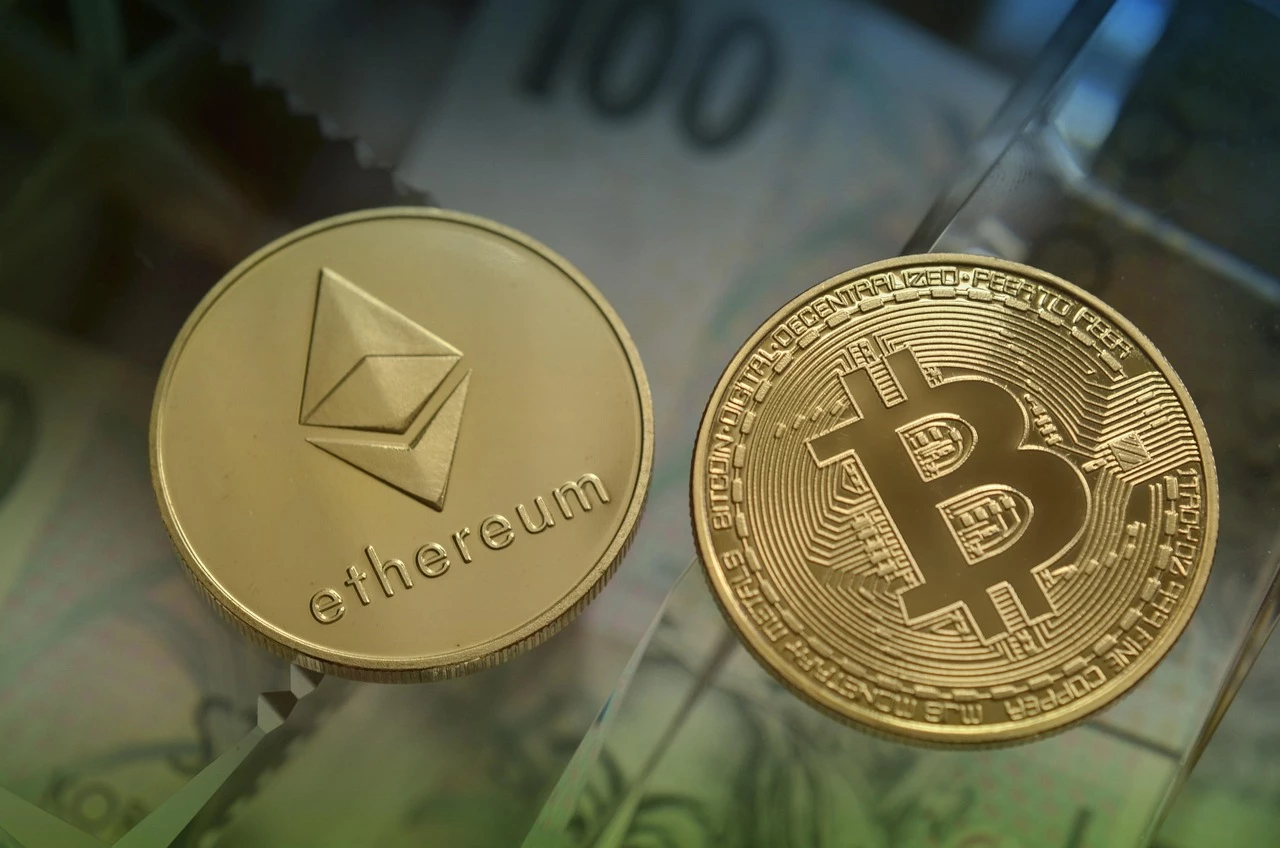
The Rise of DeFi: Transforming the Financial Landscape
This article covers KULA and related crypto trends with practical context. Decentralized Finance (DeFi) has emerged as one of the most transformative trends in the cryptocurrency space. With projects leveraging blockchain technology to provide financial services without intermediaries, DeFi is reshaping how individuals interact with money. This burgeoning sector offers a plethora of opportunities and risks, making it essential for both seasoned investors and newcomers to grasp its intricacies.
As the financial landscape evolves, understanding DeFi's role becomes paramount. From lending platforms to decentralized exchanges, the innovations brought forth by DeFi are challenging traditional banking norms and creating a new paradigm for asset management. In this article, we will delve into the key components of DeFi, explore its growth trajectory, and offer actionable insights for those looking to navigate this exciting frontier.
What is DeFi?
Defining Decentralized Finance
DeFi refers to a collective movement within the cryptocurrency ecosystem aimed at recreating traditional financial systems, such as lending, borrowing, and trading, through decentralized technologies. Unlike conventional finance, where intermediaries like banks play a crucial role, DeFi operates on blockchain networks, primarily Ethereum, allowing for peer-to-peer transactions without the need for central authorities.
Key Components of DeFi
The DeFi ecosystem consists of various components, including decentralized applications (dApps), smart contracts, and liquidity pools. dApps facilitate user interactions, smart contracts automate processes, and liquidity pools enable users to provide funds for trading while earning rewards. Understanding these elements is vital for anyone looking to engage with DeFi platforms.
The Growth of DeFi
Market Trends and Statistics
DeFi has witnessed exponential growth over the past few years. As of late 2023, the total value locked (TVL) in DeFi protocols has surged into the tens of billions of dollars, reflecting increasing user adoption and confidence in these platforms. Major projects have emerged, offering innovative solutions that cater to various financial needs, from yield farming to decentralized exchanges.
Driving Factors Behind Adoption
Several factors contribute to the rapid adoption of DeFi. The allure of higher returns compared to traditional savings accounts, the ease of access to financial services, and the growing interest in cryptocurrency are all significant drivers. Additionally, the global shift towards digital assets has propelled DeFi into the spotlight, drawing both retail and institutional investors.
Opportunities and Risks in DeFi
Investment Opportunities
Investors are presented with numerous opportunities within the DeFi space, from staking cryptocurrencies to providing liquidity on decentralized exchanges. Yield farming, where users earn rewards for contributing their assets, has become particularly popular, allowing savvy investors to maximize their returns.
Potential Risks to Consider
While the potential rewards are enticing, DeFi also carries inherent risks. Smart contract vulnerabilities, regulatory uncertainties, and market volatility can pose significant threats to investors. It is crucial to conduct thorough research and understand the risks involved before participating in DeFi protocols.
Getting Started with DeFi
Choosing the Right Platform
With numerous DeFi platforms available, selecting the right one is essential. Factors to consider include security measures, user interface, supported assets, and community trust. Engaging with well-established platforms can mitigate risks and enhance the overall experience.
Focus on liquidity, counterparty risk, and execution quality in The Rise of DeFi: Transforming the Financial Landscape. Prefer clear fee schedules and avoid hidden slippage. When uncertainty rises, reduce position size and extend review intervals. Operating in The Rise of DeFi: Transforming the Financial Landscape benefits from early telemetry and automated dashboards. Transparency reduces rework and panic moves. When KULA shifts, context is already captured, so you can adjust calmly instead of reacting late. Builders who last in The Rise of DeFi: Transforming the Financial Landscape do unglamorous work. Document edge cases, measure latency, track fees and liquidity, and review error budgets. Discipline compounds faster than hot takes. Treat KULA as one variable in a wider model. Most outcomes in The Rise of DeFi: Transforming the Financial Landscape come from repeatable systems. Define assumptions, risks, invalidation points, and a recheck cadence. This habit beats narratives. Use KULA as a lens, but let decisions follow current data, not hype.
Focus on liquidity, counterparty risk, and execution quality in The Rise of DeFi: Transforming the Financial Landscape. Prefer clear fee schedules and avoid hidden slippage. When uncertainty rises, reduce position size and extend review intervals. Operating in The Rise of DeFi: Transforming the Financial Landscape benefits from early telemetry and automated dashboards. Transparency reduces rework and panic moves. When KULA shifts, context is already captured, so you can adjust calmly instead of reacting late. Most outcomes in The Rise of DeFi: Transforming the Financial Landscape come from repeatable systems. Define assumptions, risks, invalidation points, and a recheck cadence. This habit beats narratives. Use KULA as a lens, but let decisions follow current data, not hype.
Best Practices for Investors
To navigate the DeFi landscape successfully, investors should adopt best practices such as diversifying their portfolio, keeping abreast of market trends, and utilizing secure wallets for asset storage. Engaging with community forums and educational resources can also provide valuable insights and enhance decision-making.
Key Takeaways
- Document assumptions and invalidation.
- Test changes on small capital first.
- Use data, not headlines, to decide.
- Prefer liquid venues and clear fees.