
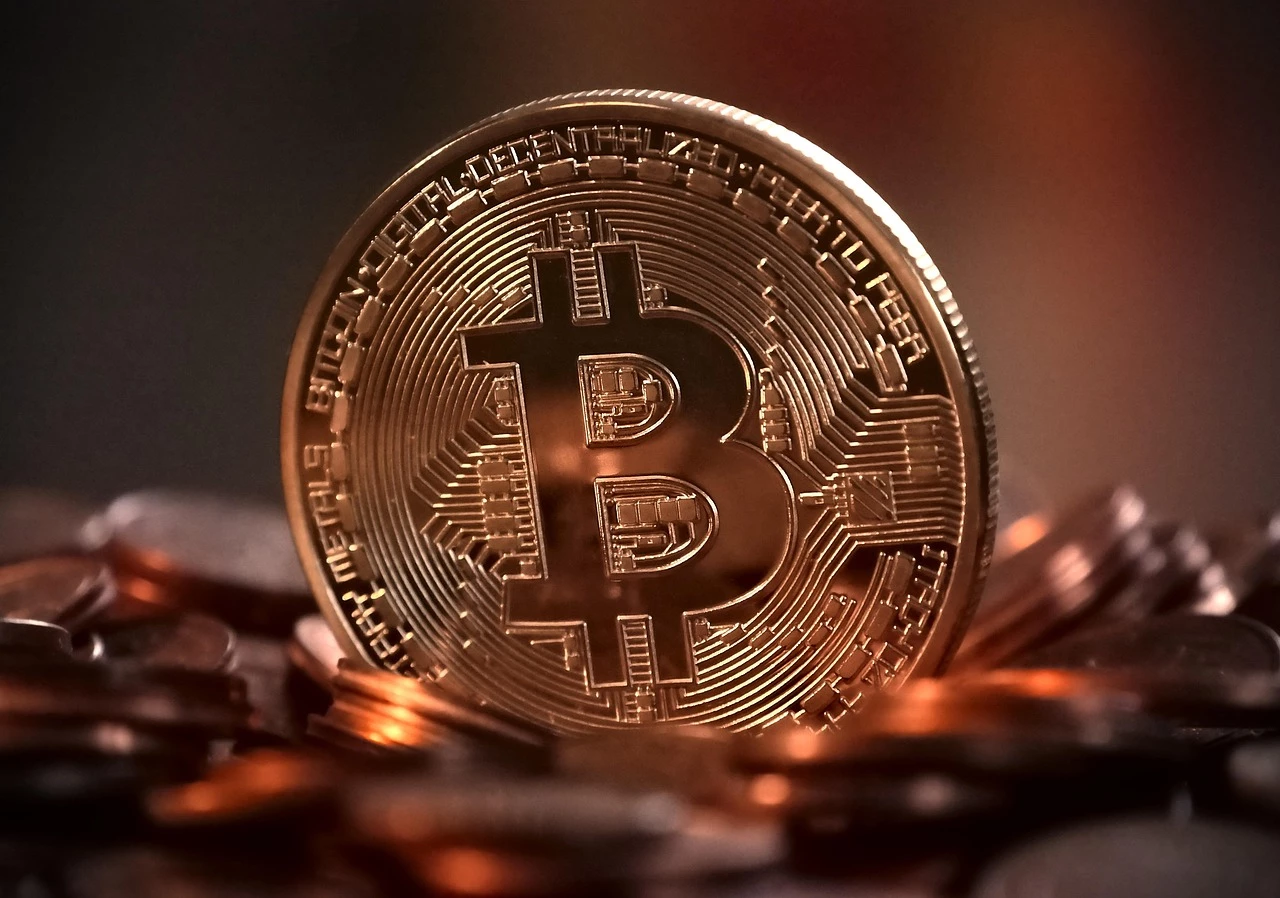
The Rise of DeFi: Transforming Financial Landscapes Globally
This article covers KULA and related crypto trends with practical context. Decentralized finance, or DeFi, is fundamentally changing how we perceive and interact with financial systems. As traditional financial institutions face increasing scrutiny and competition, DeFi provides an alternative that is both innovative and accessible. By utilizing blockchain technology, DeFi allows users to engage in a wide range of financial activities without the need for intermediaries, thereby democratizing access to financial services.
This guide gives you a concise, actionable overview of the topic and why it matters now.
What is DeFi?
Definition and Key Components
DeFi refers to a movement aimed at creating an open-source, permissionless financial system built on the blockchain. The key components of DeFi include smart contracts, which are self-executing contracts with the terms directly written into code, and decentralized applications (dApps) that facilitate various financial services.
DeFi encompasses a broad array of financial services, including lending, borrowing, trading, and insurance, all operated on blockchain networks like Ethereum. This allows for greater transparency, security, and efficiency compared to traditional finance.
Why DeFi Matters
The importance of DeFi lies in its potential to disrupt traditional financial systems. It offers users unprecedented control over their assets and the ability to engage in financial activities without relying on centralized institutions. This shift not only enhances financial inclusion but also promotes innovation within the financial sector.
Furthermore, DeFi protocols can operate 24/7, providing users with access to financial services at any time, which is a stark contrast to the limited operating hours of traditional banks.
Current Trends in DeFi
Growth of Decentralized Exchanges (DEXs)
Decentralized exchanges have seen significant growth in recent years, driven by the demand for privacy and control over assets. Unlike centralized exchanges, DEXs allow users to trade directly from their wallets, eliminating the need for a trusted intermediary. This has made them increasingly popular among crypto enthusiasts and traders alike.
Popular DEXs such as Uniswap and SushiSwap have gained traction, facilitating billions of dollars in daily trading volume. The rise of DEXs highlights the shift towards a more decentralized financial ecosystem.
Lending and Borrowing Protocols
Lending and borrowing platforms are another cornerstone of the DeFi landscape. Protocols like Aave and Compound allow users to lend their crypto assets and earn interest, while borrowers can access funds without the need for credit checks or lengthy application processes.
This peer-to-peer lending model has opened up new avenues for individuals to leverage their digital assets, creating a more efficient and accessible financial system.
Challenges and Risks in DeFi
Smart Contract Vulnerabilities
While DeFi offers numerous benefits, it is not without risks. Smart contracts, the backbone of many DeFi applications, can be vulnerable to bugs and exploits. Several high-profile hacks have resulted in significant losses for users, raising concerns about the security of these platforms.
It's crucial for users to conduct thorough research and understand the protocols they are interacting with, as well as to utilize security measures such as audits and insurance products.
Regulatory Uncertainty
As DeFi continues to gain traction, regulatory scrutiny is increasing. Governments around the world are grappling with how to approach this new financial landscape, leading to uncertainty for users and developers alike.
Clear regulatory frameworks are needed to foster innovation while protecting consumers, but the rapidly evolving nature of DeFi makes it challenging for regulators to keep pace.
Practical Considerations
What to watch
Focus on costs, liquidity, security, and user experience.
Focus on liquidity, counterparty risk, and execution quality in The Rise of DeFi: Transforming Financial Landscapes Globally. Prefer clear fee schedules and avoid hidden slippage. When uncertainty rises, reduce position size and extend review intervals. Most outcomes in The Rise of DeFi: Transforming Financial Landscapes Globally come from repeatable systems. Define assumptions, risks, invalidation points, and a recheck cadence. This habit beats narratives. Use KULA as a lens, but let decisions follow current data, not hype. Operating in The Rise of DeFi: Transforming Financial Landscapes Globally benefits from early telemetry and automated dashboards. Transparency reduces rework and panic moves. When KULA shifts, context is already captured, so you can adjust calmly instead of reacting late. Builders who last in The Rise of DeFi: Transforming Financial Landscapes Globally do unglamorous work. Document edge cases, measure latency, track fees and liquidity, and review error budgets. Discipline compounds faster than hot takes. Treat KULA as one variable in a wider model.
Operating in The Rise of DeFi: Transforming Financial Landscapes Globally benefits from early telemetry and automated dashboards. Transparency reduces rework and panic moves. When KULA shifts, context is already captured, so you can adjust calmly instead of reacting late. Builders who last in The Rise of DeFi: Transforming Financial Landscapes Globally do unglamorous work. Document edge cases, measure latency, track fees and liquidity, and review error budgets. Discipline compounds faster than hot takes. Treat KULA as one variable in a wider model. Clarity in scope and metrics keeps teams aligned in The Rise of DeFi: Transforming Financial Landscapes Globally. Write crisp definitions of done, instrument the path to green, and audit dependencies. Small, testable changes lower risk and speed up feedback.
Key Takeaways
- Measure risk before return in The Rise of DeFi: Transforming Financial Landscapes Globally.
- Automate logs and alert on anomalies.
- Size positions small and review weekly.
- Security checks precede any deployment.