
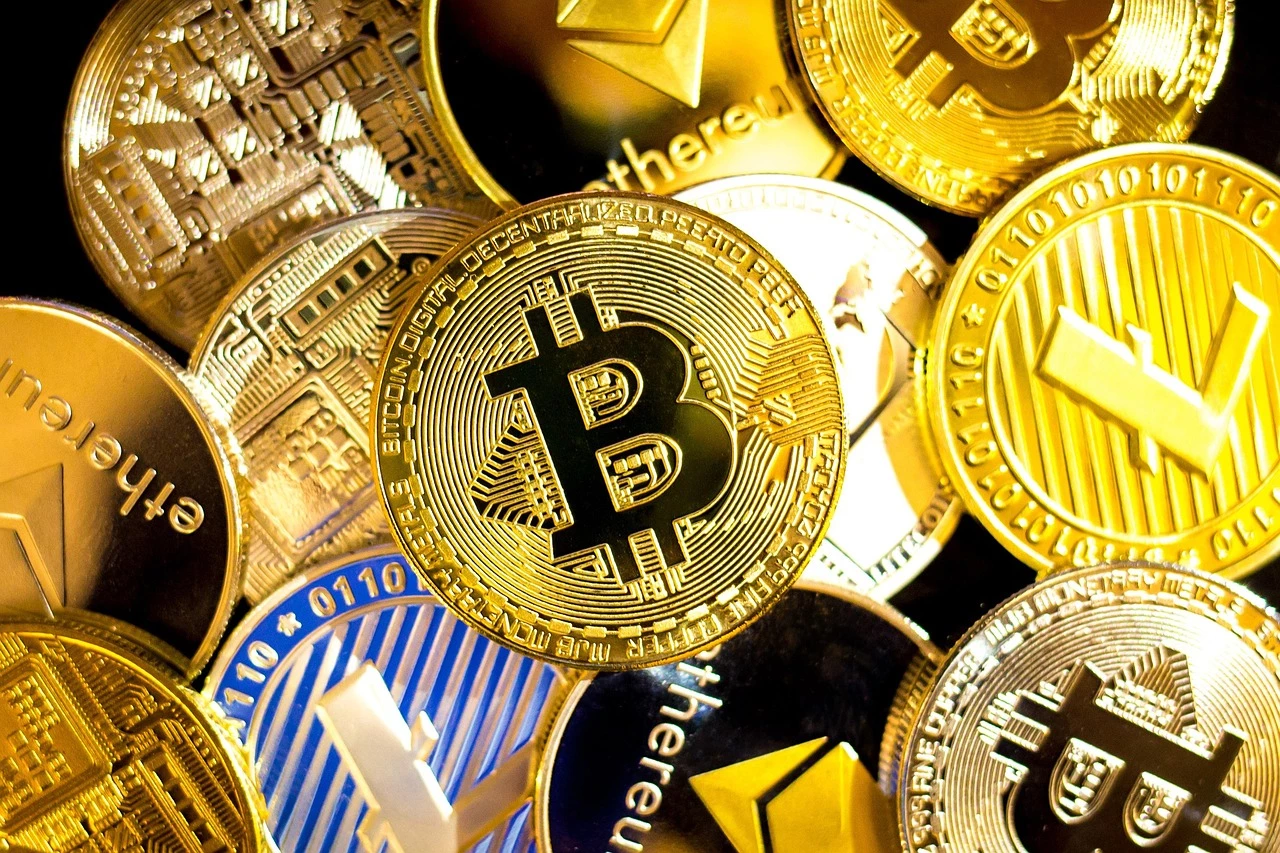
The Rise of DeFi: Transforming Financial Landscapes
This article covers KULA and related crypto trends with practical context. Decentralized Finance, or DeFi, is redefining the financial landscape by offering users unprecedented control over their assets. With the power of blockchain technology, DeFi platforms enable individuals to lend, borrow, and trade without intermediaries, revolutionizing traditional finance. This article will delve into the intricacies of DeFi, examining its rapid growth, the various projects leading the charge, and the implications for investors and users alike.
This guide gives you a concise, actionable overview of the topic and why it matters now.
What is DeFi and Why Does It Matter?
Understanding DeFi
At its core, DeFi refers to a suite of financial applications built on blockchain technology that aim to disrupt traditional financial systems. These platforms utilize smart contracts to automate processes, allowing users to engage in activities like lending, borrowing, and trading without relying on banks or financial institutions.
The significance of DeFi lies in its ability to provide financial services to the unbanked and underbanked populations globally. By removing intermediaries, DeFi platforms can offer lower fees and faster transactions, empowering users with greater financial autonomy.
Key Components of DeFi
DeFi encompasses various components, including decentralized exchanges (DEXs), lending platforms, and yield farming protocols. Each of these elements plays a critical role in creating a comprehensive financial ecosystem that operates independently of traditional banking systems.
For instance, DEXs facilitate peer-to-peer trading without a centralized authority, while lending platforms allow users to earn interest on their crypto holdings by lending them out to others. Yield farming enables users to maximize returns by strategically allocating assets across multiple DeFi protocols.
The Growth of DeFi: Trends and Insights
DeFi Market Overview
Since its inception, the DeFi sector has witnessed exponential growth. The total value locked (TVL) in DeFi protocols has surged, indicating growing interest and investment in this space. Major players like Uniswap, Aave, and Compound have emerged as frontrunners, attracting billions in assets.
This growth reflects a broader trend towards decentralization and the increasing acceptance of blockchain technology within the financial sector. As traditional financial institutions explore partnerships and integrations with DeFi platforms, the landscape is evolving rapidly.
User Adoption and Community Engagement
User adoption is a critical factor driving the DeFi movement. Engaging communities through governance tokens and decentralized decision-making processes fosters a sense of ownership and participation among users. This engagement not only strengthens the ecosystem but also encourages innovation and the development of new protocols.
Moreover, educational initiatives and resources aimed at demystifying DeFi are helping to onboard new users, further fueling the growth of the sector.
Challenges and Risks in the DeFi Space
Security Concerns
While DeFi offers exciting opportunities, it is not without risks. Security vulnerabilities in smart contracts can lead to significant financial losses, as evidenced by high-profile hacks and exploits. Users must exercise caution and conduct thorough research before engaging with any DeFi platform.
The emergence of insurance protocols within DeFi aims to mitigate these risks by providing coverage against potential losses, but users should still remain vigilant.
Regulatory Landscape
As DeFi continues to grow, so does the scrutiny from regulators. The lack of clear regulations poses challenges for projects operating in this space, and potential regulatory changes could impact the future of DeFi. It's essential for investors and users to stay informed about the evolving regulatory landscape and its implications for their activities.
Navigating compliance and legal considerations will be crucial for the long-term sustainability of DeFi projects.
Future Outlook: What Lies Ahead for DeFi?
Innovations on the Horizon
The DeFi landscape is constantly evolving, with new innovations and protocols emerging regularly. Cross-chain interoperability is one such trend that aims to enhance the user experience by enabling seamless interactions between different blockchain networks.
Additionally, the integration of artificial intelligence and machine learning could revolutionize risk assessment and trading strategies within DeFi, further enhancing its appeal to users and investors.
Focus on liquidity, counterparty risk, and execution quality in The Rise of DeFi: Transforming Financial Landscapes. Prefer clear fee schedules and avoid hidden slippage. When uncertainty rises, reduce position size and extend review intervals. Clarity in scope and metrics keeps teams aligned in The Rise of DeFi: Transforming Financial Landscapes. Write crisp definitions of done, instrument the path to green, and audit dependencies. Small, testable changes lower risk and speed up feedback. Operating in The Rise of DeFi: Transforming Financial Landscapes benefits from early telemetry and automated dashboards. Transparency reduces rework and panic moves. When KULA shifts, context is already captured, so you can adjust calmly instead of reacting late.
Mainstream Adoption
As more traditional financial institutions begin to adopt DeFi principles and technologies, we can expect to see increased mainstream acceptance. This shift could lead to a hybrid financial ecosystem where DeFi and traditional finance coexist, offering users the best of both worlds.
Ultimately, the future of DeFi hinges on its ability to address current challenges while delivering innovative solutions that resonate with users.
Key Takeaways
- Test changes on small capital first.
- Prefer liquid venues and clear fees.
- Automate logs and alert on anomalies.
- Document assumptions and invalidation.