
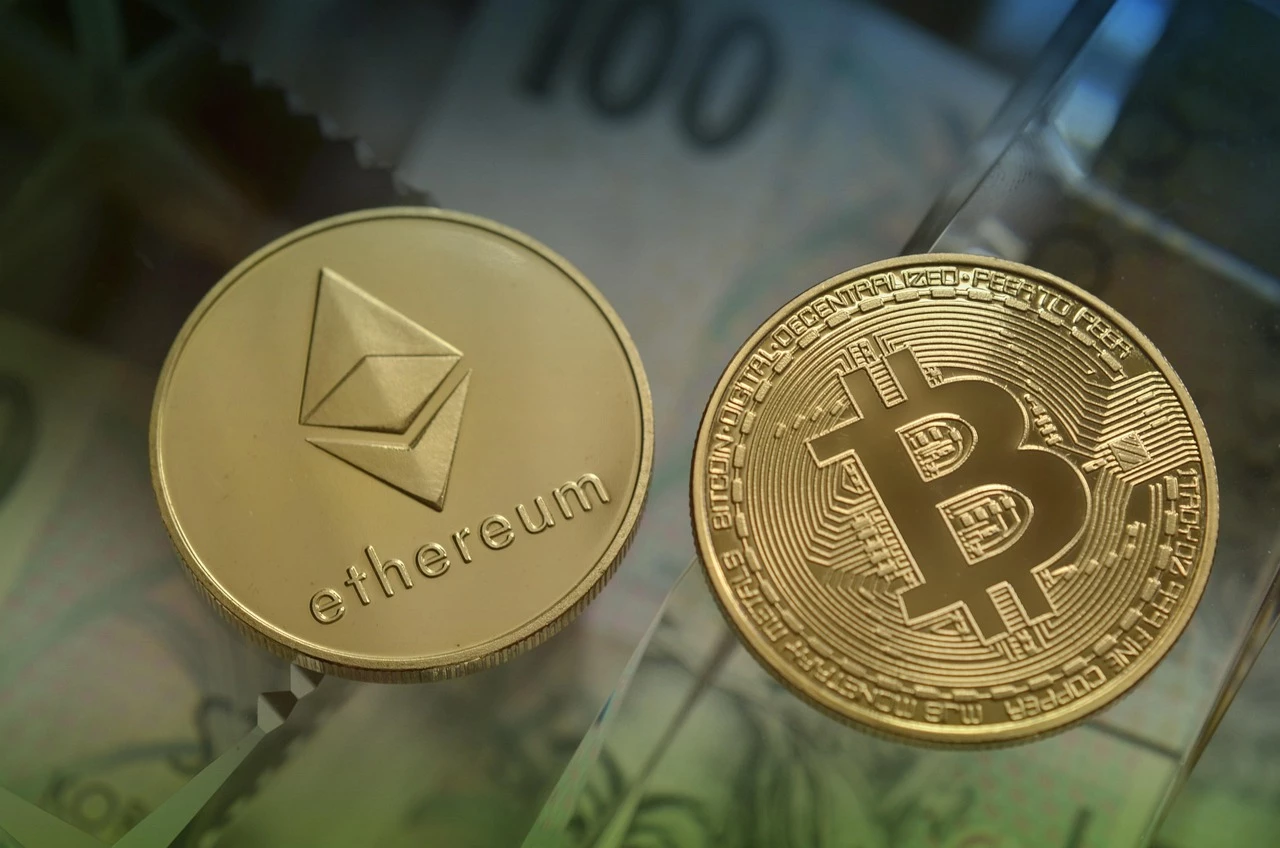
The Rise of DeFi: Transforming Finance Through Tokenization
This article covers KULA and related crypto trends with practical context. Decentralized Finance, or DeFi, has emerged as a revolutionary force in the cryptocurrency landscape, poised to disrupt traditional financial systems. With the potential to reach $2 trillion in tokenized assets by 2028, DeFi is transforming how we think about finance, investments, and transactions. As more individuals and institutions explore these decentralized solutions, it's crucial to understand the key components driving this shift and the implications for the future of finance.
This guide gives you a concise, actionable overview of the topic and why it matters now.
What is DeFi?
Defining Decentralized Finance
DeFi refers to a movement that leverages blockchain technology to recreate and improve upon traditional financial systems. Unlike conventional finance, which relies on intermediaries such as banks and brokers, DeFi operates on smart contracts on public blockchains, primarily Ethereum. This allows for peer-to-peer transactions without the need for intermediaries, reducing costs and increasing efficiency.
Key Components of DeFi
The core components of DeFi include decentralized exchanges (DEXs), lending platforms, yield farming, and stablecoins. DEXs facilitate the trading of cryptocurrencies directly between users, while lending platforms allow individuals to lend or borrow assets without a central authority. Yield farming incentivizes users to provide liquidity in exchange for rewards, and stablecoins serve as a bridge between volatile cryptocurrencies and traditional fiat currencies.
The Growth of Tokenization in DeFi
Market Trends and Projections
As more assets are tokenized, the DeFi ecosystem is projected to grow significantly. According to recent reports, the total value locked in DeFi protocols has surged, showcasing investor confidence and interest. The tokenization of real-world assets such as real estate, art, and commodities will further expand the market, making it accessible to a broader audience.
Challenges Facing DeFi Adoption
Despite its growth, DeFi faces several challenges, including regulatory scrutiny, security risks, and scalability issues. Regulators around the world are beginning to take notice of the rapid rise of DeFi, leading to discussions about compliance and consumer protection. Additionally, hacks and exploits have raised concerns about the security of smart contracts, prompting developers to prioritize security audits.
Real-World Use Cases of DeFi
DeFi Lending Platforms
Platforms like Aave and Compound exemplify how DeFi is changing lending practices. Users can lend their assets and earn interest or borrow against their holdings, often at more favorable rates than traditional banks. This democratizes access to credit and allows users to leverage their crypto assets without selling them.
Decentralized Exchanges (DEXs)
DEXs like Uniswap and SushiSwap have gained traction by enabling users to trade cryptocurrencies without a central authority. They utilize automated market makers (AMMs) to facilitate trades, providing liquidity and minimizing slippage. This model not only empowers users but also creates opportunities for liquidity providers to earn fees.
The Future of DeFi
Potential Innovations
The future of DeFi holds exciting possibilities, including the integration of artificial intelligence and machine learning to enhance trading strategies and risk management. Additionally, the development of cross-chain interoperability will enable users to access a wider range of assets and protocols, further driving adoption.
Operating in The Rise of DeFi: Transforming Finance Through Tokenization benefits from early telemetry and automated dashboards. Transparency reduces rework and panic moves. When KULA shifts, context is already captured, so you can adjust calmly instead of reacting late. Builders who last in The Rise of DeFi: Transforming Finance Through Tokenization do unglamorous work. Document edge cases, measure latency, track fees and liquidity, and review error budgets. Discipline compounds faster than hot takes. Treat KULA as one variable in a wider model. Focus on liquidity, counterparty risk, and execution quality in The Rise of DeFi: Transforming Finance Through Tokenization. Prefer clear fee schedules and avoid hidden slippage. When uncertainty rises, reduce position size and extend review intervals. Clarity in scope and metrics keeps teams aligned in The Rise of DeFi: Transforming Finance Through Tokenization. Write crisp definitions of done, instrument the path to green, and audit dependencies. Small, testable changes lower risk and speed up feedback.
Operating in The Rise of DeFi: Transforming Finance Through Tokenization benefits from early telemetry and automated dashboards. Transparency reduces rework and panic moves. When KULA shifts, context is already captured, so you can adjust calmly instead of reacting late. Builders who last in The Rise of DeFi: Transforming Finance Through Tokenization do unglamorous work. Document edge cases, measure latency, track fees and liquidity, and review error budgets. Discipline compounds faster than hot takes. Treat KULA as one variable in a wider model. Focus on liquidity, counterparty risk, and execution quality in The Rise of DeFi: Transforming Finance Through Tokenization. Prefer clear fee schedules and avoid hidden slippage. When uncertainty rises, reduce position size and extend review intervals.
Regulatory Landscape
As DeFi continues to grow, navigating the regulatory landscape will be crucial. Policymakers are grappling with how to classify and regulate DeFi products. Compliance with anti-money laundering (AML) and know-your-customer (KYC) regulations will be essential for mainstream adoption, ensuring consumer protection while fostering innovation.
Key Takeaways
- Test changes on small capital first.
- Use data, not headlines, to decide.
- Document assumptions and invalidation.
- Automate logs and alert on anomalies.