
The Rise of DeFi: Revolutionizing Finance in a Decentralized World
This article covers KULA and related crypto trends with practical context. Decentralized Finance, commonly known as DeFi, is rapidly reshaping the financial landscape by providing an alternative to traditional banking systems. With the power of blockchain technology, DeFi eliminates intermediaries, allowing users to engage directly with financial services. This shift is not just a trend; it signifies a fundamental change in how we think about money, lending, and investment.
In this article, we will delve into the key components of DeFi, explore its implications for the future of finance, and discuss the opportunities and challenges that come with this revolutionary movement.
What is DeFi?
Defining Decentralized Finance
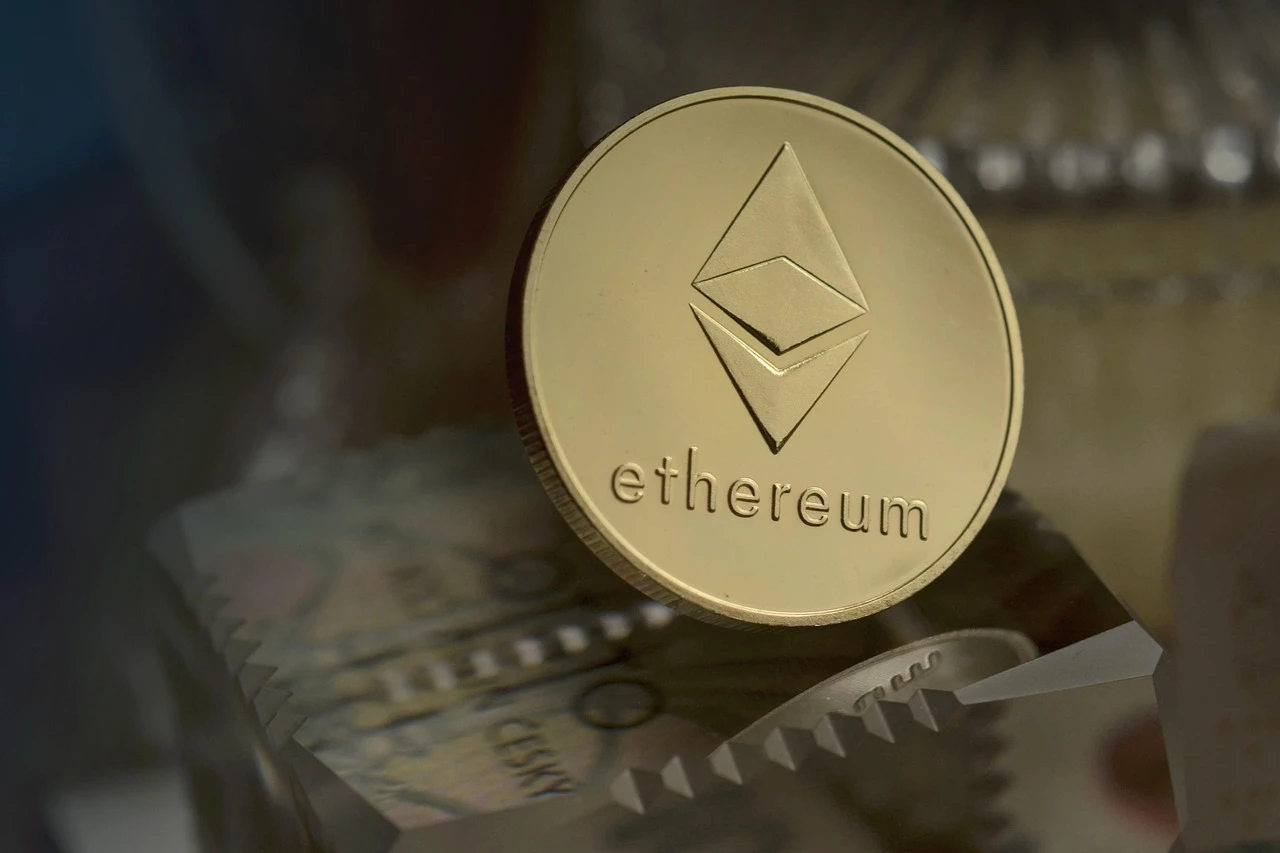
DeFi refers to a suite of financial services built on blockchain technology, primarily Ethereum. It encompasses a range of applications that enable users to lend, borrow, trade, and earn interest without relying on traditional financial institutions.
At its core, DeFi aims to democratize access to financial products, making them available to anyone with an internet connection. This opens the door for unbanked populations to participate in the global economy.
Key Components of DeFi
DeFi operates through smart contracts—self-executing contracts with the terms of the agreement directly written into code. These contracts eliminate the need for intermediaries, reducing costs and increasing efficiency.
Major components of DeFi include decentralized exchanges (DEXs), lending platforms, stablecoins, and yield farming protocols. Each of these elements plays a crucial role in creating a comprehensive financial ecosystem.
The Benefits of DeFi
Accessibility and Inclusion
One of the standout benefits of DeFi is its accessibility. Anyone can participate in DeFi ecosystems without the need for extensive documentation or approval from banks. This inclusivity allows individuals from various socio-economic backgrounds to engage in financial activities.
Furthermore, DeFi platforms often require lower fees compared to traditional banking, making it more affordable for users to access financial services.
Transparency and Security
Blockchain technology provides a level of transparency that traditional finance cannot match. All transactions are recorded on a public ledger, allowing users to verify and audit activities easily.
Additionally, DeFi protocols utilize cryptographic security measures, offering users a sense of safety in their transactions. However, it's essential to remain cautious, as vulnerabilities in smart contracts can still pose risks.
Challenges Facing DeFi
Regulatory Uncertainty
As DeFi continues to grow, regulatory bodies worldwide are grappling with how to approach this new financial frontier. The lack of clear regulations can create uncertainty for both users and developers.
Navigating the regulatory landscape is crucial for the sustainable growth of DeFi, and stakeholders must advocate for frameworks that encourage innovation while protecting consumers.
Smart Contract Vulnerabilities
While smart contracts offer many benefits, they are not immune to bugs or exploits. Several high-profile hacks in the DeFi space have raised concerns about the security of these platforms.
Developers must prioritize thorough testing and audits of their smart contracts to minimize risks and build trust within the community.
The Future of DeFi
Innovations on the Horizon
The DeFi landscape is constantly evolving, with new projects and innovations emerging regularly. Concepts like Layer 2 solutions aim to improve scalability and reduce transaction costs, which could enhance user experiences.
Moreover, the integration of DeFi with other sectors, such as NFTs and gaming, presents exciting possibilities for creating unique financial products and services.
Operating in The Rise of DeFi: Revolutionizing Finance in a Decentralized World benefits from early telemetry and automated dashboards. Transparency reduces rework and panic moves. When KULA shifts, context is already captured, so you can adjust calmly instead of reacting late. Focus on liquidity, counterparty risk, and execution quality in The Rise of DeFi: Revolutionizing Finance in a Decentralized World. Prefer clear fee schedules and avoid hidden slippage. When uncertainty rises, reduce position size and extend review intervals. Clarity in scope and metrics keeps teams aligned in The Rise of DeFi: Revolutionizing Finance in a Decentralized World. Write crisp definitions of done, instrument the path to green, and audit dependencies. Small, testable changes lower risk and speed up feedback. Builders who last in The Rise of DeFi: Revolutionizing Finance in a Decentralized World do unglamorous work. Document edge cases, measure latency, track fees and liquidity, and review error budgets. Discipline compounds faster than hot takes. Treat KULA as one variable in a wider model.
Builders who last in The Rise of DeFi: Revolutionizing Finance in a Decentralized World do unglamorous work. Document edge cases, measure latency, track fees and liquidity, and review error budgets. Discipline compounds faster than hot takes. Treat KULA as one variable in a wider model. Clarity in scope and metrics keeps teams aligned in The Rise of DeFi: Revolutionizing Finance in a Decentralized World. Write crisp definitions of done, instrument the path to green, and audit dependencies. Small, testable changes lower risk and speed up feedback. Operating in The Rise of DeFi: Revolutionizing Finance in a Decentralized World benefits from early telemetry and automated dashboards. Transparency reduces rework and panic moves. When KULA shifts, context is already captured, so you can adjust calmly instead of reacting late.
Mainstream Adoption
For DeFi to achieve mainstream adoption, it must address its current challenges while demonstrating real-world utility. Partnerships with traditional financial institutions could bridge the gap, fostering greater acceptance of decentralized finance solutions.
As more users become aware of DeFi's advantages, we may see a significant shift in how people manage their finances, leading to a more decentralized financial ecosystem.
Key Takeaways
- Test changes on small capital first.
- Size positions small and review weekly.
- Cut losers early, let winners work.
- Prefer liquid venues and clear fees.