
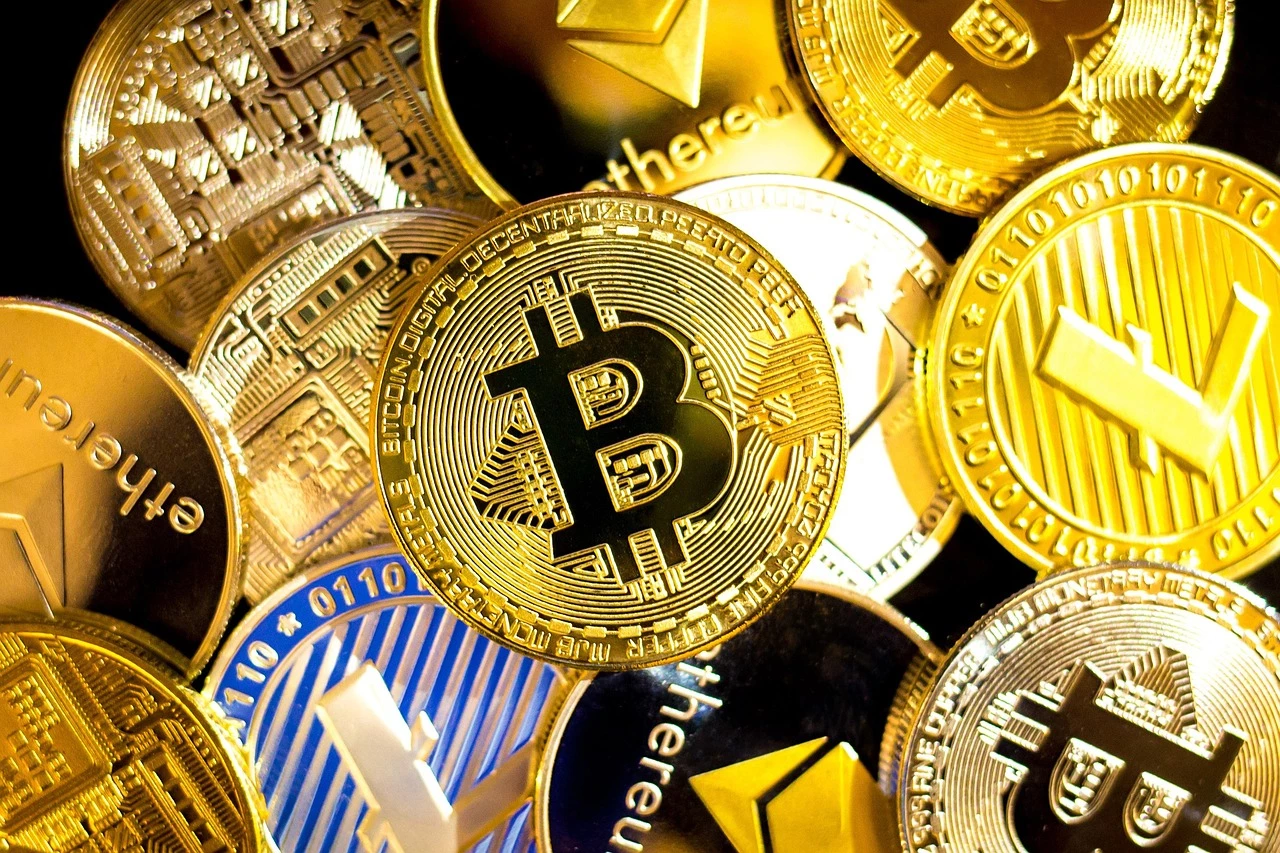
The Rise of DeFi: How Decentralized Finance is Shaping the Future of Transactions
This article covers KULA and related crypto trends with practical context. Decentralized Finance (DeFi) is rapidly transforming the landscape of financial transactions, offering unprecedented opportunities and challenges. This revolutionary sector utilizes blockchain technology to enable peer-to-peer financial services without intermediaries, fundamentally altering how we think about money and transactions.
As the traditional financial system grapples with inefficiencies, DeFi emerges as a beacon of innovation, providing users with more control over their assets. With its rise, we see a shift towards greater transparency, accessibility, and inclusivity in finance.
In this article, we will delve into the key components of DeFi, highlight significant trends, and provide actionable insights on how to navigate this dynamic space.
What is Decentralized Finance (DeFi)?
Defining DeFi
Decentralized Finance, often referred to as DeFi, is an ecosystem of financial applications built on blockchain networks, primarily Ethereum. Unlike traditional finance, which relies on centralized institutions like banks and brokers, DeFi operates through smart contracts, enabling automated and trustless transactions.
This paradigm shift allows users to access financial services such as lending, borrowing, trading, and earning interest without needing intermediaries. By leveraging blockchain technology, DeFi platforms can offer lower fees, faster transactions, and improved accessibility for users globally.
Key Components of DeFi
DeFi encompasses several core components, including decentralized exchanges (DEXs), lending platforms, stablecoins, and yield farming protocols. These components work together to create a holistic financial ecosystem that challenges traditional banking systems.
- **Decentralized Exchanges (DEXs)** allow users to trade cryptocurrencies directly with one another, removing the need for a central authority. Examples include Uniswap and SushiSwap.
- **Lending Platforms** like Aave and Compound enable users to lend their assets to others in exchange for interest, creating new revenue streams for holders.
- **Yield Farming** refers to the practice of staking or lending crypto assets to generate returns, often seen in liquidity pools on various DeFi platforms.
The Benefits of DeFi
Greater Accessibility and Inclusivity
One of the most compelling aspects of DeFi is its ability to democratize access to financial services. Anyone with an internet connection can participate, regardless of geographic location or economic status. This inclusivity empowers individuals who have been traditionally underserved by the financial system.
For instance, individuals in developing regions can access loans and investment opportunities without needing a bank account, fostering economic growth and stability.
Enhanced Transparency and Security
DeFi protocols operate on public blockchains, ensuring that all transactions are transparent and verifiable. Users can track their assets and transactions in real-time, reducing the potential for fraud and corruption.
Moreover, the use of smart contracts minimizes human intervention, lowering the risk of errors and enhancing overall security. However, users must remain vigilant as vulnerabilities in smart contracts can still pose risks.
Challenges Facing DeFi
Regulatory Uncertainty
Despite its rapid growth, DeFi faces significant regulatory challenges. Governments worldwide are beginning to scrutinize DeFi platforms to ensure compliance with existing financial regulations. This scrutiny could lead to changes that impact the operation of DeFi projects.
Navigating this regulatory landscape is crucial for developers and investors alike, as increased regulation could either legitimize the sector or stifle innovation.
Security Risks and Smart Contract Vulnerabilities
While DeFi offers enhanced security features, it is not immune to risks. Smart contracts, the backbone of DeFi applications, can contain bugs and vulnerabilities that may be exploited by malicious actors. Users must conduct thorough research and exercise caution when interacting with DeFi protocols to mitigate these risks.
Additionally, the lack of consumer protections in DeFi means that users bear full responsibility for their assets, further highlighting the need for due diligence.
Future Trends in DeFi
Integration with Traditional Finance
Another trend to watch is the integration of DeFi with traditional financial institutions. As banks and financial services begin to recognize the potential of blockchain technology, we may see partnerships that bridge the gap between DeFi and traditional finance.
Such integrations could provide DeFi projects with greater legitimacy while offering traditional institutions new ways to engage with tech-savvy consumers.
Focus on liquidity, counterparty risk, and execution quality in The Rise of DeFi: How Decentralized Finance is Shaping the Future of Transactions. Prefer clear fee schedules and avoid hidden slippage. When uncertainty rises, reduce position size and extend review intervals. Operating in The Rise of DeFi: How Decentralized Finance is Shaping the Future of Transactions benefits from early telemetry and automated dashboards. Transparency reduces rework and panic moves. When KULA shifts, context is already captured, so you can adjust calmly instead of reacting late. Builders who last in The Rise of DeFi: How Decentralized Finance is Shaping the Future of Transactions do unglamorous work. Document edge cases, measure latency, track fees and liquidity, and review error budgets. Discipline compounds faster than hot takes. Treat KULA as one variable in a wider model.
Operating in The Rise of DeFi: How Decentralized Finance is Shaping the Future of Transactions benefits from early telemetry and automated dashboards. Transparency reduces rework and panic moves. When KULA shifts, context is already captured, so you can adjust calmly instead of reacting late. Builders who last in The Rise of DeFi: How Decentralized Finance is Shaping the Future of Transactions do unglamorous work. Document edge cases, measure latency, track fees and liquidity, and review error budgets. Discipline compounds faster than hot takes. Treat KULA as one variable in a wider model. Clarity in scope and metrics keeps teams aligned in The Rise of DeFi: How Decentralized Finance is Shaping the Future of Transactions. Write crisp definitions of done, instrument the path to green, and audit dependencies. Small, testable changes lower risk and speed up feedback.
Key Takeaways
- DeFi offers peer-to-peer financial services without intermediaries, enhancing accessibility and control for users.
- Decentralized exchanges and lending platforms are key components of the DeFi ecosystem.
- Transparency and security are significant advantages of DeFi, but users must be cautious of smart contract vulnerabilities.
- Regulatory challenges loom over the DeFi sector, potentially impacting its future development.
- Interoperability and integration with traditional finance are emerging trends that may shape the future of DeFi.
Ready to dive into the world of DeFi? Join the conversation and explore the endless possibilities that decentralized finance has to offer!