
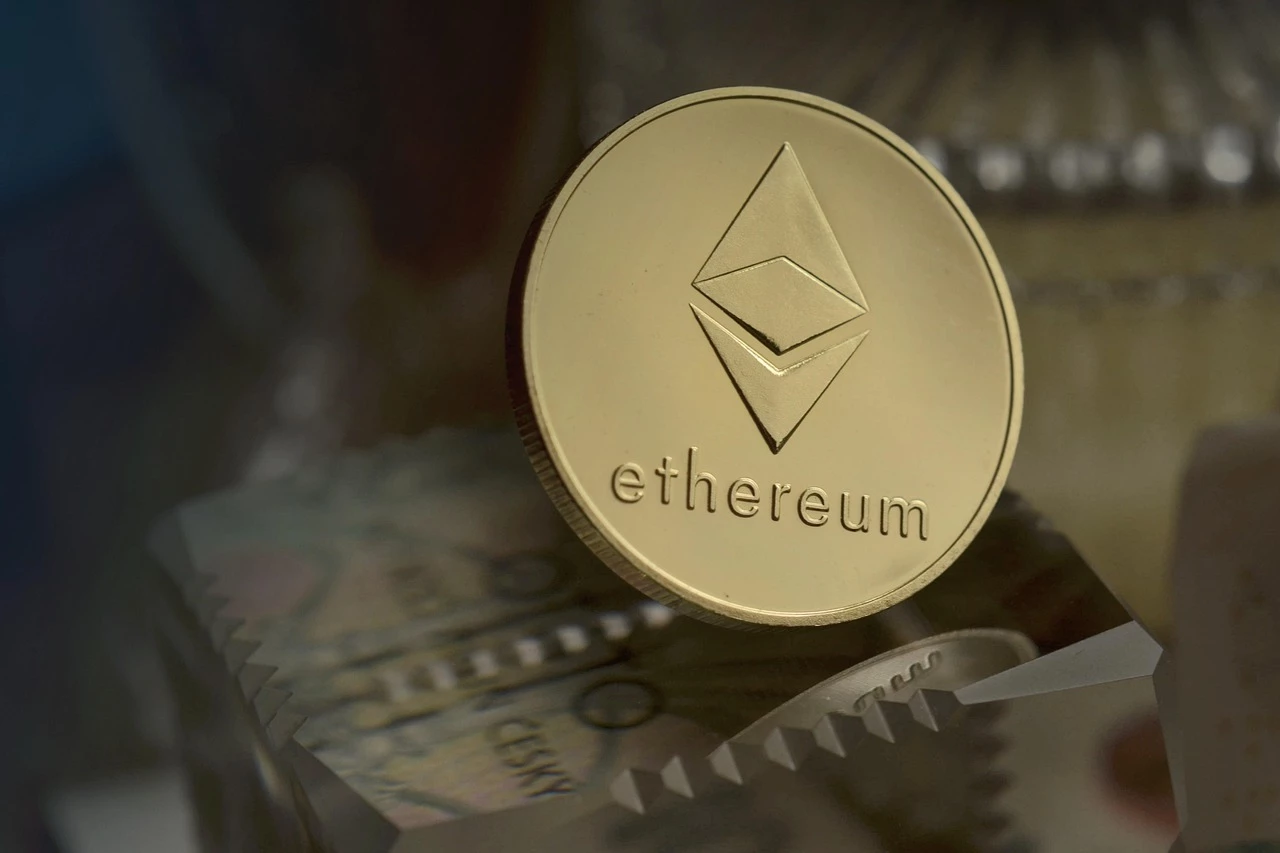
The Rise of DeFi: How Decentralized Finance is Reshaping the Financial Landscape
This article covers KULA and related crypto trends with practical context. Decentralized finance, commonly known as DeFi, is rapidly changing the way we perceive and interact with financial services. By leveraging blockchain technology, DeFi eliminates intermediaries, allowing users to engage directly with financial products and services. This innovative approach not only enhances accessibility but also fosters a new level of transparency and security in transactions.
As DeFi continues to evolve, it presents unprecedented opportunities for investors, developers, and everyday users alike. In this article, we'll delve into the key components of the DeFi ecosystem, explore its potential impacts on traditional finance, and provide actionable insights for those looking to navigate this exciting landscape.
Understanding the DeFi Ecosystem
What is DeFi?
Decentralized finance refers to a broad category of financial applications built on blockchain networks. These platforms aim to recreate and improve upon traditional financial systems, such as lending, borrowing, trading, and insurance, without relying on centralized intermediaries. Instead, DeFi utilizes smart contracts—self-executing contracts with the terms of the agreement directly written into code—to facilitate transactions automatically and securely.
The DeFi ecosystem includes various protocols and platforms, such as decentralized exchanges (DEXs), lending platforms, and stablecoins. By eliminating intermediaries, DeFi not only reduces costs but also increases transaction speed and efficiency.
Key Components of DeFi
The DeFi landscape comprises several essential components that work together to create a comprehensive financial ecosystem. These include:
1. **Decentralized Exchanges (DEXs)**: Platforms like Uniswap and SushiSwap enable users to trade cryptocurrencies directly without relying on a central authority, providing greater liquidity and reduced trading fees.
2. **Lending and Borrowing Platforms**: Protocols like Aave and Compound allow users to lend their assets in exchange for interest or borrow assets by providing collateral, creating a more flexible and accessible borrowing experience.
3. **Yield Farming and Liquidity Mining**: These strategies involve providing liquidity to DeFi platforms in exchange for rewards, enabling users to earn passive income on their crypto holdings.
4. **Stablecoins**: While this article avoids stablecoins specifically, it's worth noting their role in DeFi, as they provide a stable medium of exchange in a highly volatile market.
Impact on Traditional Financial Systems
Disrupting Traditional Banking
DeFi has the potential to disrupt traditional banking by offering more inclusive financial services. With DeFi, individuals who are unbanked or underbanked can access loans, savings accounts, and investment opportunities without needing a bank account or credit history. This opens up financial services to a broader audience, fostering economic inclusion.
Moreover, DeFi platforms often operate with lower fees and faster transaction times compared to traditional banks, making them an attractive alternative for users seeking efficient financial solutions.
Regulatory Considerations
As DeFi grows, so does the scrutiny from regulatory bodies worldwide. Governments are beginning to recognize the implications of decentralized finance on consumer protection, taxation, and financial stability. While regulations may vary by jurisdiction, it's crucial for DeFi projects to consider compliance to ensure long-term sustainability and user trust.
The evolving regulatory landscape may also shape the future development of DeFi, influencing how platforms operate and interact with traditional financial institutions.
Actionable Insights for Investors and Users
Getting Started with DeFi
For those looking to dip their toes into the DeFi waters, here are some actionable steps:
1. **Educate Yourself**: Understanding the fundamentals of blockchain technology and DeFi protocols is essential. Follow reputable sources, join online communities, and participate in discussions to stay informed.
2. **Choose a Wallet**: To interact with DeFi platforms, you'll need a cryptocurrency wallet that supports the assets you wish to use. Popular options include MetaMask and Trust Wallet.
3. **Start Small**: If you're new to DeFi, consider starting with a small investment to familiarize yourself with the processes involved in lending, borrowing, and trading. As you gain confidence, you can gradually increase your involvement.
Staying Informed
The DeFi space is rapidly evolving, and staying informed about new developments, trends, and potential risks is vital. Subscribe to newsletters, follow influential figures on social media, and engage with DeFi-focused forums to keep your knowledge up to date.
Practical Considerations
What to watch
Focus on costs, liquidity, security, and user experience.
Clarity in scope and metrics keeps teams aligned in The Rise of DeFi: How Decentralized Finance is Reshaping the Financial Landscape. Write crisp definitions of done, instrument the path to green, and audit dependencies. Small, testable changes lower risk and speed up feedback. Builders who last in The Rise of DeFi: How Decentralized Finance is Reshaping the Financial Landscape do unglamorous work. Document edge cases, measure latency, track fees and liquidity, and review error budgets. Discipline compounds faster than hot takes. Treat KULA as one variable in a wider model. Most outcomes in The Rise of DeFi: How Decentralized Finance is Reshaping the Financial Landscape come from repeatable systems. Define assumptions, risks, invalidation points, and a recheck cadence. This habit beats narratives. Use KULA as a lens, but let decisions follow current data, not hype.
Key Takeaways
- Document assumptions and invalidation.
- Use data, not headlines, to decide.
- Automate logs and alert on anomalies.
- Prefer liquid venues and clear fees.