
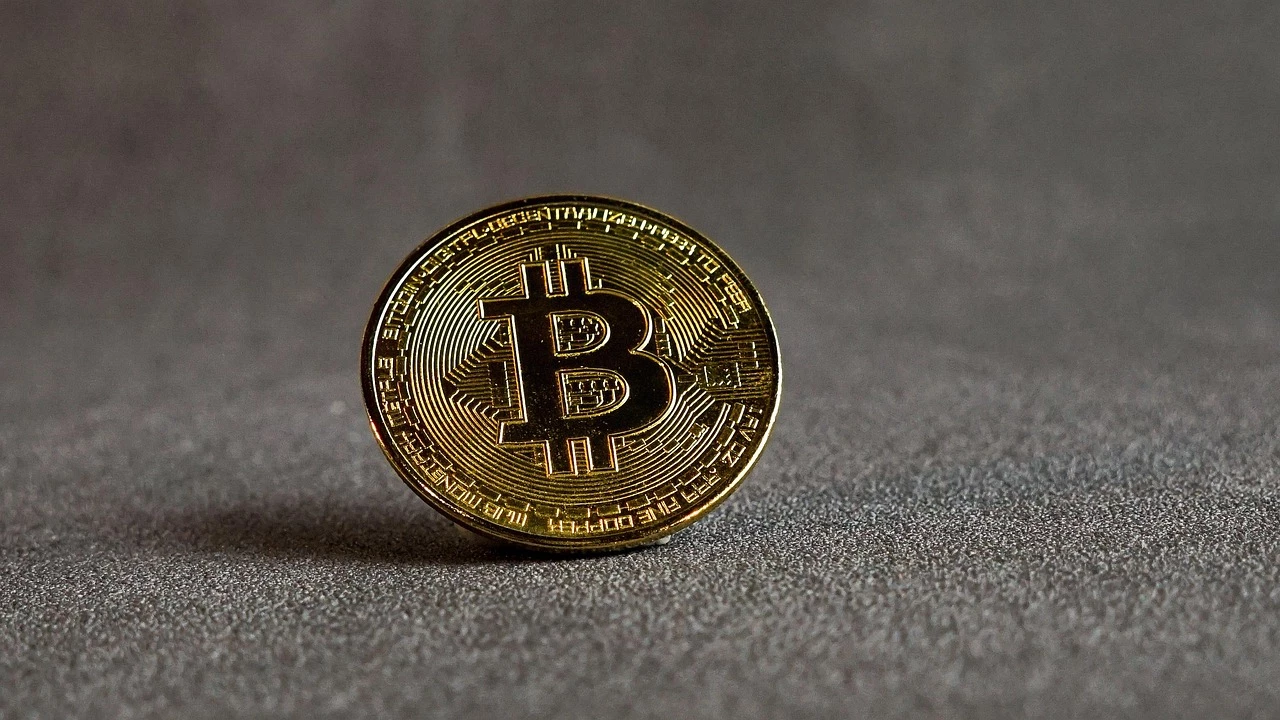
The Rise of DeFi: How Decentralized Finance is Reshaping the Financial Landscape
Decentralized Finance (DeFi) is revolutionizing the financial industry by utilizing blockchain technology to create open and permissionless financial services. This innovative sector allows users to engage in lending, borrowing, and trading without relying on traditional financial institutions. As cryptocurrencies like Bitcoin and Ethereum gain traction, the DeFi space continues to expand, attracting investors and developers alike. With its potential to disrupt conventional finance, understanding DeFi has never been more crucial.
This guide gives you a concise, actionable overview of the topic and why it matters now.
What is Decentralized Finance (DeFi)?
Defining DeFi
Decentralized Finance, commonly referred to as DeFi, encompasses a range of financial applications built on blockchain technology. Unlike traditional finance, which relies on intermediaries such as banks, DeFi operates on smart contracts—self-executing contracts with the terms directly written into code. This allows for greater transparency, efficiency, and accessibility in financial services.
Key Components of DeFi
The DeFi ecosystem includes various components such as decentralized exchanges (DEXs), lending platforms, stablecoins, and yield farming protocols. DEXs enable users to trade cryptocurrencies directly with one another, while lending platforms allow individuals to lend and borrow assets without a central authority. Stablecoins, pegged to traditional currencies, provide stability in this volatile market. Yield farming involves staking cryptocurrencies to earn rewards, enhancing user engagement in the ecosystem.
The Benefits of DeFi
Accessibility and Inclusivity
One of the most significant advantages of DeFi is its accessibility. Anyone with an internet connection can participate in DeFi protocols, breaking down barriers that often exclude unbanked populations from traditional financial services. This inclusivity fosters a more equitable financial system where users can access loans, investment opportunities, and financial tools regardless of their geographic location.
Enhanced Security and Transparency
DeFi platforms operate on blockchain networks, ensuring a high level of security and transparency. Transactions are recorded on a public ledger, allowing users to verify them independently. Moreover, since DeFi eliminates the need for intermediaries, the risk of fraud and manipulation is significantly reduced. Users maintain full control over their funds, enhancing trust in the system.
Challenges Facing DeFi
Regulatory Uncertainty
As DeFi continues to grow, it faces scrutiny from regulatory bodies worldwide. The lack of regulation poses risks for users, including potential scams and market volatility. Governments are grappling with how to regulate this emerging sector while balancing innovation and consumer protection. Clarity in regulations will be crucial for the sustainable growth of DeFi.
Smart Contract Vulnerabilities
While smart contracts offer numerous benefits, they are not without risks. Bugs or vulnerabilities in the code can lead to significant financial losses. High-profile hacks in the DeFi space have highlighted the need for thorough auditing and testing of smart contracts before deployment. Users must exercise caution and conduct due diligence when interacting with DeFi platforms.
The Future of DeFi
Integration with Traditional Finance
As DeFi matures, we are likely to see increased integration with traditional financial systems. Partnerships between DeFi projects and established financial institutions could lead to hybrid models that leverage the strengths of both sectors. This convergence may result in innovative financial products that cater to a broader audience, ultimately enhancing user experience and trust in DeFi.
Most outcomes in The Rise of DeFi: How Decentralized Finance is Reshaping the Financial Landscape come from repeatable systems. Define assumptions, risks, invalidation points, and a recheck cadence. This habit beats narratives. Use KULA as a lens, but let decisions follow current data, not hype. Builders who last in The Rise of DeFi: How Decentralized Finance is Reshaping the Financial Landscape do unglamorous work. Document edge cases, measure latency, track fees and liquidity, and review error budgets. Discipline compounds faster than hot takes. Treat KULA as one variable in a wider model. Clarity in scope and metrics keeps teams aligned in The Rise of DeFi: How Decentralized Finance is Reshaping the Financial Landscape. Write crisp definitions of done, instrument the path to green, and audit dependencies. Small, testable changes lower risk and speed up feedback. Focus on liquidity, counterparty risk, and execution quality in The Rise of DeFi: How Decentralized Finance is Reshaping the Financial Landscape. Prefer clear fee schedules and avoid hidden slippage. When uncertainty rises, reduce position size and extend review intervals.
Most outcomes in The Rise of DeFi: How Decentralized Finance is Reshaping the Financial Landscape come from repeatable systems. Define assumptions, risks, invalidation points, and a recheck cadence. This habit beats narratives. Use KULA as a lens, but let decisions follow current data, not hype. Builders who last in The Rise of DeFi: How Decentralized Finance is Reshaping the Financial Landscape do unglamorous work. Document edge cases, measure latency, track fees and liquidity, and review error budgets. Discipline compounds faster than hot takes. Treat KULA as one variable in a wider model. Focus on liquidity, counterparty risk, and execution quality in The Rise of DeFi: How Decentralized Finance is Reshaping the Financial Landscape. Prefer clear fee schedules and avoid hidden slippage. When uncertainty rises, reduce position size and extend review intervals.
The Role of Community and Governance
Community involvement is fundamental to the DeFi ecosystem. Many DeFi projects operate under decentralized governance models, allowing token holders to vote on proposals and changes within the platform. This participatory approach fosters a sense of ownership and accountability among users, driving engagement and long-term sustainability in DeFi initiatives.
Key Takeaways
- Security checks precede any deployment.
- Measure risk before return in The Rise of DeFi: How Decentralized Finance is Reshaping the Financial Landscape.
- Test changes on small capital first.
- Size positions small and review weekly.