
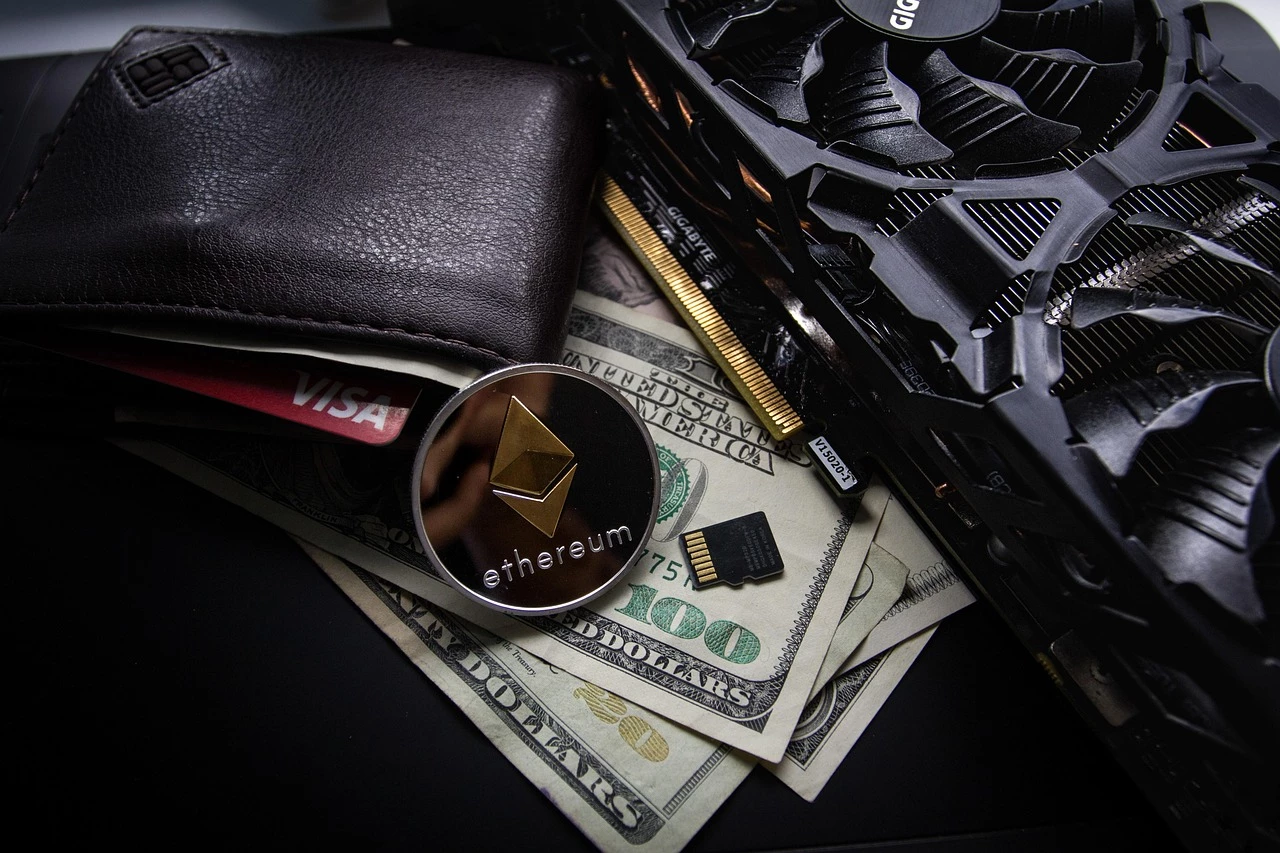
The Rise of DeFi: How Decentralized Finance is Reshaping the Financial Landscape
This article covers KULA and related crypto trends with practical context. Decentralized Finance, commonly known as DeFi, has rapidly emerged as a transformative force within the cryptocurrency ecosystem. By leveraging blockchain technology, DeFi platforms are disrupting traditional financial services, providing users with unprecedented access to lending, borrowing, and trading without intermediaries.
As this innovative sector continues to evolve, it’s essential to understand how DeFi operates, its benefits, and the potential risks associated with it. In this article, we will explore the key components of DeFi, its growth trajectory, and what the future holds for this groundbreaking financial model.
What is DeFi?
Defining Decentralized Finance
DeFi refers to a collection of financial applications built on blockchain networks, primarily Ethereum, that aim to recreate and improve upon traditional financial systems. Unlike conventional finance, which relies on centralized institutions like banks, DeFi operates on a peer-to-peer basis, allowing users to engage directly with financial services through smart contracts.
These smart contracts automate processes, reducing the need for trust in a central authority. The DeFi ecosystem includes various services such as decentralized exchanges (DEXs), lending platforms, yield farming, and stablecoins, among others.
The Components of DeFi
Key components of DeFi include decentralized applications (dApps), which are built on blockchain technology and enable various financial operations. These dApps can facilitate everything from trading and lending to insurance and asset management.
Another crucial aspect is liquidity pools, which provide the necessary liquidity for trading pairs on decentralized exchanges. Users contribute to these pools in exchange for rewards, creating an incentive structure that promotes participation in the DeFi ecosystem.
Benefits of DeFi
Accessibility and Inclusivity
One of the most significant advantages of DeFi is its accessibility. Anyone with an internet connection can participate, regardless of their location or financial status. This inclusivity empowers individuals who have been traditionally underserved by conventional banking systems, allowing them to access financial services with ease.
Additionally, DeFi platforms often have lower fees compared to traditional financial institutions, making financial services more affordable for users.
Transparency and Security
DeFi operates on public blockchains, providing transparency that is often lacking in traditional finance. All transactions are recorded on the blockchain, allowing users to verify and audit them independently. This level of transparency fosters trust among participants.
Security in DeFi is also enhanced through the use of smart contracts. While vulnerabilities can exist, well-audited smart contracts reduce the risk of fraud and manipulation, giving users greater confidence in the platforms they use.
Challenges and Risks in DeFi
Smart Contract Vulnerabilities
Despite the advantages, DeFi is not without its risks. One major concern is the potential for smart contract vulnerabilities. Bugs or exploits in the code can lead to significant financial losses for users.
Users should conduct thorough research before engaging with any DeFi platform, ensuring that it has undergone adequate security audits and possesses a strong track record.
Market Volatility
The cryptocurrency market is known for its volatility, and DeFi is no exception. Price swings can occur rapidly, impacting the value of assets held within DeFi protocols. Users must be aware of this volatility and manage their risk accordingly.
Implementing risk management strategies, such as diversifying assets and setting stop-loss orders, can help mitigate potential losses in a fluctuating market.
The Future of DeFi
Innovations on the Horizon
As DeFi continues to grow, we can expect to see numerous innovations that enhance user experience and broaden the range of services offered. Cross-chain interoperability, for instance, could allow users to seamlessly transact across different blockchain networks, increasing liquidity and efficiency.
Furthermore, the integration of artificial intelligence and machine learning into DeFi platforms may lead to more sophisticated financial products and improved risk assessment tools, making DeFi even more attractive to users.
Operating in The Rise of DeFi: How Decentralized Finance is Reshaping the Financial Landscape benefits from early telemetry and automated dashboards. Transparency reduces rework and panic moves. When KULA shifts, context is already captured, so you can adjust calmly instead of reacting late. Clarity in scope and metrics keeps teams aligned in The Rise of DeFi: How Decentralized Finance is Reshaping the Financial Landscape. Write crisp definitions of done, instrument the path to green, and audit dependencies. Small, testable changes lower risk and speed up feedback. Most outcomes in The Rise of DeFi: How Decentralized Finance is Reshaping the Financial Landscape come from repeatable systems. Define assumptions, risks, invalidation points, and a recheck cadence. This habit beats narratives. Use KULA as a lens, but let decisions follow current data, not hype.
Regulatory Considerations
As DeFi gains popularity, regulatory scrutiny is likely to increase. Governments around the world are beginning to explore how to regulate this emerging sector to protect consumers and ensure market integrity. This could lead to a more structured environment for DeFi, potentially enhancing its legitimacy.
However, the challenge will be to strike a balance between regulation and innovation, ensuring that the core principles of decentralization and accessibility are not compromised.
Key Takeaways
- Prefer liquid venues and clear fees.
- Cut losers early, let winners work.
- Test changes on small capital first.
- Automate logs and alert on anomalies.