
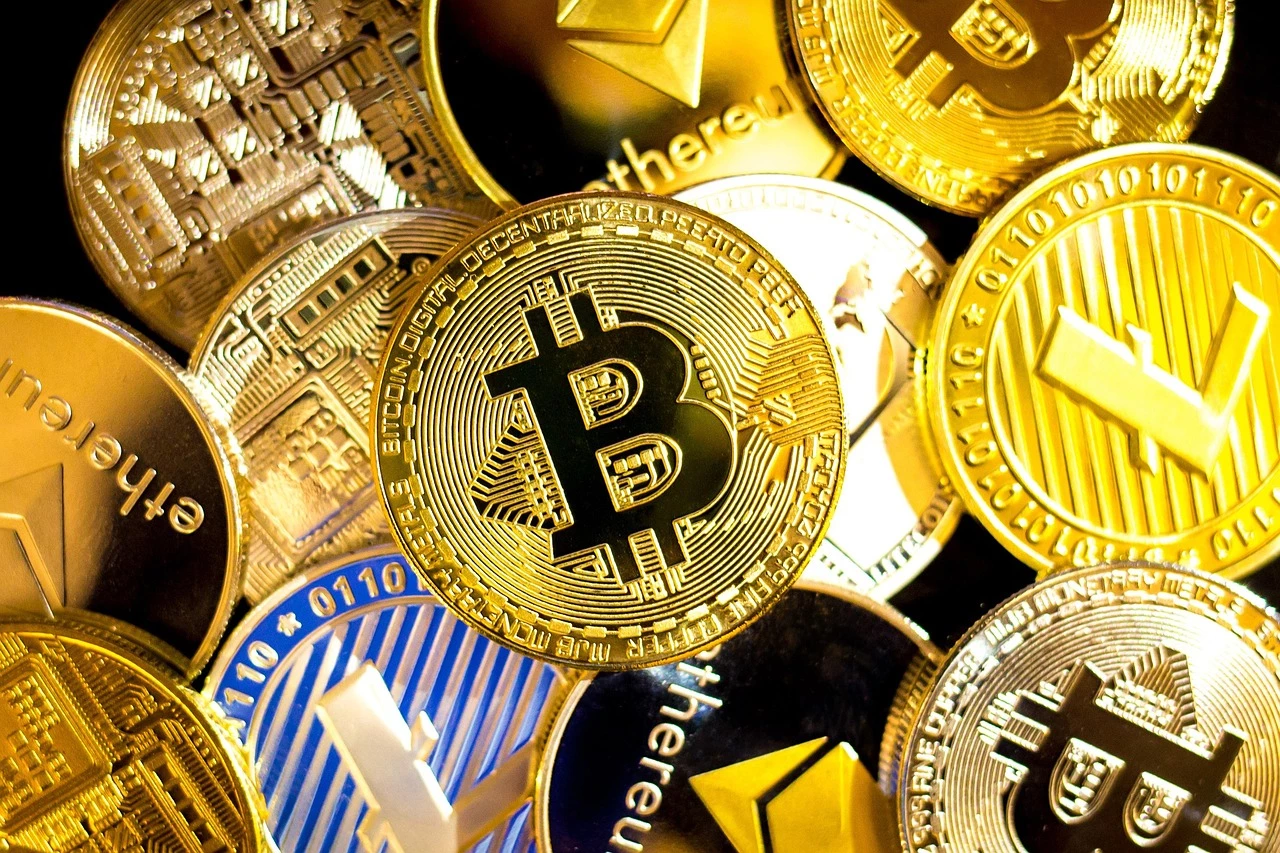
The Rise of DeFi: How Decentralized Finance is Reshaping the Crypto Landscape
This article covers KULA and related crypto trends with practical context. Decentralized Finance (DeFi) is revolutionizing the way we think about traditional financial systems, offering new opportunities and risks for investors and users alike. In a world where blockchain technology is gaining traction, DeFi stands out as a groundbreaking movement that is reshaping the crypto landscape. With its promise of democratized access to financial services, DeFi is capturing the attention of both seasoned investors and newcomers to the crypto space.
This guide gives you a concise, actionable overview of the topic and why it matters now.
What is DeFi and Why Does it Matter?
Defining DeFi
DeFi refers to a broad category of financial applications in cryptocurrency or blockchain geared toward disrupting financial intermediaries. Built primarily on Ethereum, these applications allow users to lend, borrow, trade, and earn interest on their crypto assets without relying on traditional banks or financial institutions. By leveraging smart contracts, DeFi platforms can execute transactions automatically, ensuring transparency and reducing the need for trust between parties.
Key Features of DeFi
One of the most significant aspects of DeFi is its accessibility. Unlike traditional finance, where access can be limited by geographic or socio-economic factors, DeFi platforms are open to anyone with an internet connection. Moreover, DeFi protocols are generally permissionless, meaning that users don’t have to undergo lengthy sign-up processes or provide personal information. Additionally, DeFi offers users control over their assets, enabling them to engage in peer-to-peer transactions without intermediaries.
Popular DeFi Protocols You Should Know
Aave
Aave is a decentralized lending platform that allows users to borrow and lend a variety of cryptocurrencies. It features unique functionalities such as flash loans, which enable users to borrow funds without collateral for a short period. Aave’s decentralized governance model empowers token holders to participate in decisions about protocol upgrades and changes.
Uniswap
Uniswap is one of the most widely used decentralized exchanges (DEXs) that allows users to swap various tokens directly from their wallets. Its automated market-making model eliminates the need for order books, enabling efficient trading. Users can also provide liquidity to earn rewards in the form of transaction fees, making it an attractive option for passive income.
Risks and Challenges in the DeFi Space
Smart Contract Vulnerabilities
While DeFi offers many advantages, it is not without risks. Smart contracts are prone to bugs and vulnerabilities, which can be exploited by malicious actors. In recent years, several DeFi projects have suffered significant losses due to hacks and exploits, raising concerns about the security of user funds.
Market Volatility
The cryptocurrency market is known for its extreme volatility. DeFi assets can experience rapid price fluctuations, leading to potential liquidation of loans or loss of collateral. Investors must be aware of these risks and consider their risk tolerance before engaging in DeFi activities.
How to Get Started with DeFi
Choose a Wallet
To participate in DeFi, users need a cryptocurrency wallet that supports ERC-20 tokens. Wallets like MetaMask or Trust Wallet are popular choices, allowing users to interact with DeFi applications seamlessly.
Most outcomes in The Rise of DeFi: How Decentralized Finance is Reshaping the Crypto Landscape come from repeatable systems. Define assumptions, risks, invalidation points, and a recheck cadence. This habit beats narratives. Use KULA as a lens, but let decisions follow current data, not hype. Operating in The Rise of DeFi: How Decentralized Finance is Reshaping the Crypto Landscape benefits from early telemetry and automated dashboards. Transparency reduces rework and panic moves. When KULA shifts, context is already captured, so you can adjust calmly instead of reacting late. Builders who last in The Rise of DeFi: How Decentralized Finance is Reshaping the Crypto Landscape do unglamorous work. Document edge cases, measure latency, track fees and liquidity, and review error budgets. Discipline compounds faster than hot takes. Treat KULA as one variable in a wider model. Clarity in scope and metrics keeps teams aligned in The Rise of DeFi: How Decentralized Finance is Reshaping the Crypto Landscape. Write crisp definitions of done, instrument the path to green, and audit dependencies. Small, testable changes lower risk and speed up feedback.
Builders who last in The Rise of DeFi: How Decentralized Finance is Reshaping the Crypto Landscape do unglamorous work. Document edge cases, measure latency, track fees and liquidity, and review error budgets. Discipline compounds faster than hot takes. Treat KULA as one variable in a wider model. Clarity in scope and metrics keeps teams aligned in The Rise of DeFi: How Decentralized Finance is Reshaping the Crypto Landscape. Write crisp definitions of done, instrument the path to green, and audit dependencies. Small, testable changes lower risk and speed up feedback. Focus on liquidity, counterparty risk, and execution quality in The Rise of DeFi: How Decentralized Finance is Reshaping the Crypto Landscape. Prefer clear fee schedules and avoid hidden slippage. When uncertainty rises, reduce position size and extend review intervals.
Explore DeFi Platforms
Once you have a wallet, explore various DeFi platforms that align with your investment goals. Research projects, check their security audits, and assess their community engagement before committing funds. It’s crucial to stay informed about the latest developments in the DeFi space, as new projects emerge frequently.
Key Takeaways
- DeFi is transforming traditional financial systems by providing decentralized alternatives.
- Accessibility is a core principle of DeFi, allowing anyone with an internet connection to participate.
- Smart contracts enable automatic transactions, reducing the need for trust between parties.
- Popular DeFi protocols include Aave for lending and Uniswap for trading.
- Despite its benefits, DeFi carries risks such as smart contract vulnerabilities and market volatility.
- Investors should choose a secure wallet and conduct thorough research before using DeFi platforms.
Join the DeFi revolution today and discover how decentralized finance can enhance your investment strategy!