
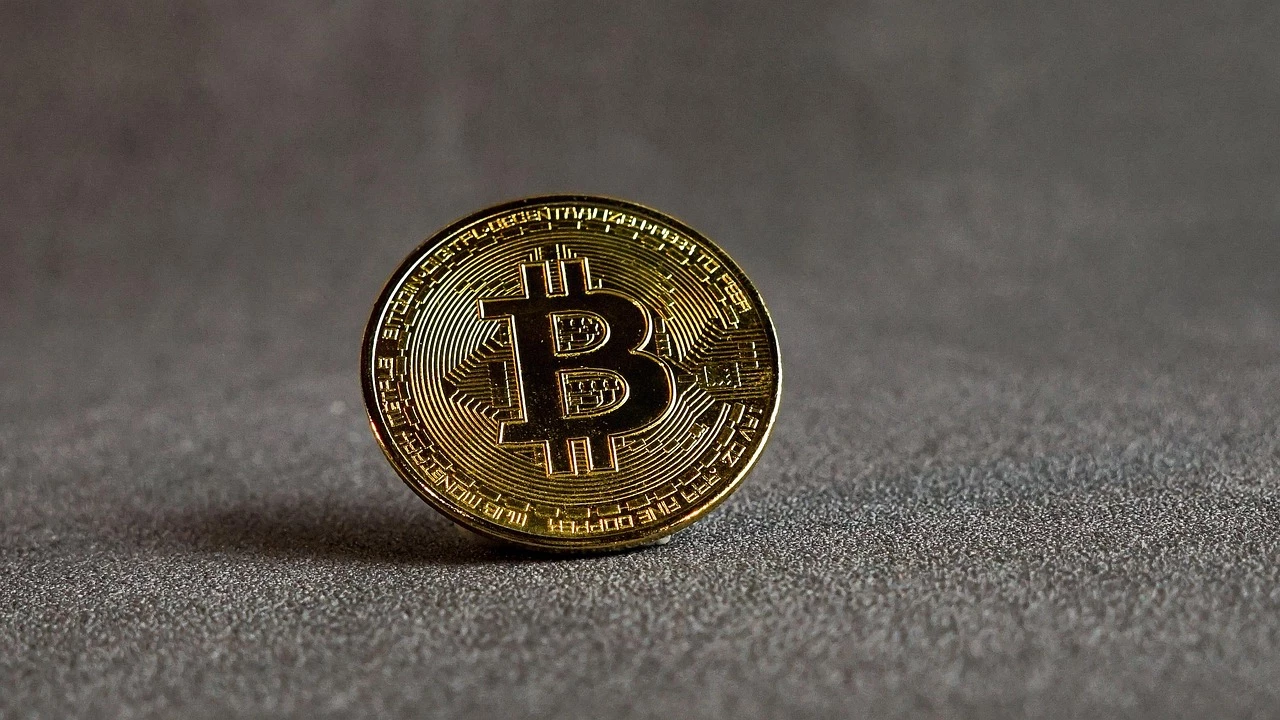
The Rise of DeFi: How Decentralized Finance is Reshaping Investment Strategies
This article covers KULA and related crypto trends with practical context. Decentralized Finance, commonly known as DeFi, has emerged as a revolutionary force in the cryptocurrency landscape. By leveraging blockchain technology, DeFi platforms are reshaping traditional investment strategies, offering unprecedented access to financial services for users around the globe.
As the DeFi ecosystem continues to expand, it presents unique opportunities and challenges for investors. Understanding these dynamics is crucial for anyone looking to navigate this fast-evolving sector.
What is DeFi?
Defining Decentralized Finance
Decentralized Finance refers to a suite of financial services built on blockchain technology that operates without traditional intermediaries like banks or brokers. This innovative approach allows for peer-to-peer transactions, lending, and borrowing directly between users.
The hallmark of DeFi is its open-source nature, which enables developers to create financial products and services that are accessible to anyone with an internet connection.
Key Components of DeFi Ecosystem
Several key components define the DeFi landscape, including smart contracts, decentralized exchanges (DEXs), and liquidity pools. Smart contracts automate transactions and enforce agreements without the need for intermediaries, enhancing efficiency and transparency.
Decentralized exchanges facilitate trading directly between users, while liquidity pools allow users to provide assets to earn fees, creating a self-sustaining ecosystem.
Investment Opportunities in DeFi
Yield Farming and Liquidity Mining
Yield farming and liquidity mining are popular strategies in DeFi that allow users to earn rewards by providing liquidity to platforms. Users deposit their assets into liquidity pools and receive tokens in return, which can be staked for additional rewards.
These strategies can yield high returns, but they come with risks, including impermanent loss and smart contract vulnerabilities. Understanding these risks is essential before diving into yield farming.
Decentralized Lending and Borrowing
DeFi platforms offer decentralized lending and borrowing options, enabling users to take out loans or lend their assets for interest. These services often provide better rates than traditional banks due to reduced overhead costs.
Users must assess the creditworthiness of borrowers and the stability of the lending platform to mitigate risks associated with decentralized lending.
Challenges and Risks in DeFi
Smart Contract Vulnerabilities
While smart contracts are a cornerstone of DeFi, they are not without risks. Vulnerabilities in code can lead to hacks and significant financial losses. Investors should prioritize platforms with robust security audits and a proven track record.
Understanding the technical aspects of smart contracts can help investors make informed decisions about which platforms to trust.
Regulatory Uncertainties
The rapid growth of DeFi has caught the attention of regulators worldwide. The lack of clear regulations poses risks for investors, as future regulatory changes could impact the viability of certain platforms.
Staying informed about regulatory developments is crucial for anyone involved in DeFi, as it could affect the market landscape significantly.
The Future of DeFi
Integration with Traditional Finance
As DeFi matures, we are witnessing increasing integration with traditional financial systems. This convergence could lead to more widespread adoption and acceptance of decentralized solutions.
Partnerships between DeFi platforms and traditional financial institutions may pave the way for hybrid models that combine the best of both worlds.
Focus on liquidity, counterparty risk, and execution quality in The Rise of DeFi: How Decentralized Finance is Reshaping Investment Strategies. Prefer clear fee schedules and avoid hidden slippage. When uncertainty rises, reduce position size and extend review intervals. Clarity in scope and metrics keeps teams aligned in The Rise of DeFi: How Decentralized Finance is Reshaping Investment Strategies. Write crisp definitions of done, instrument the path to green, and audit dependencies. Small, testable changes lower risk and speed up feedback. Operating in The Rise of DeFi: How Decentralized Finance is Reshaping Investment Strategies benefits from early telemetry and automated dashboards. Transparency reduces rework and panic moves. When KULA shifts, context is already captured, so you can adjust calmly instead of reacting late. Builders who last in The Rise of DeFi: How Decentralized Finance is Reshaping Investment Strategies do unglamorous work. Document edge cases, measure latency, track fees and liquidity, and review error budgets. Discipline compounds faster than hot takes. Treat KULA as one variable in a wider model.
Focus on liquidity, counterparty risk, and execution quality in The Rise of DeFi: How Decentralized Finance is Reshaping Investment Strategies. Prefer clear fee schedules and avoid hidden slippage. When uncertainty rises, reduce position size and extend review intervals. Most outcomes in The Rise of DeFi: How Decentralized Finance is Reshaping Investment Strategies come from repeatable systems. Define assumptions, risks, invalidation points, and a recheck cadence. This habit beats narratives. Use KULA as a lens, but let decisions follow current data, not hype. Clarity in scope and metrics keeps teams aligned in The Rise of DeFi: How Decentralized Finance is Reshaping Investment Strategies. Write crisp definitions of done, instrument the path to green, and audit dependencies. Small, testable changes lower risk and speed up feedback.
Innovations on the Horizon
DeFi continues to evolve, with innovations such as cross-chain solutions and enhanced user interfaces promising to simplify access to decentralized services. These advancements could attract a broader audience beyond crypto enthusiasts.
Investors should keep an eye on emerging trends and technologies within DeFi to capitalize on new opportunities as they arise.
Key Takeaways
- Measure risk before return in The Rise of DeFi: How Decentralized Finance is Reshaping Investment Strategies.
- Use data, not headlines, to decide.
- Security checks precede any deployment.
- Size positions small and review weekly.