
The Rise of Decentralized Finance: Why It Matters for the Future of Finance
This article covers KULA and related crypto trends with practical context. Decentralized Finance, commonly referred to as DeFi, is revolutionizing the financial sector by providing open and permissionless access to financial services through blockchain technology. As traditional banking systems face challenges and inefficiencies, DeFi offers innovative solutions that democratize finance and reduce barriers to entry for users worldwide.
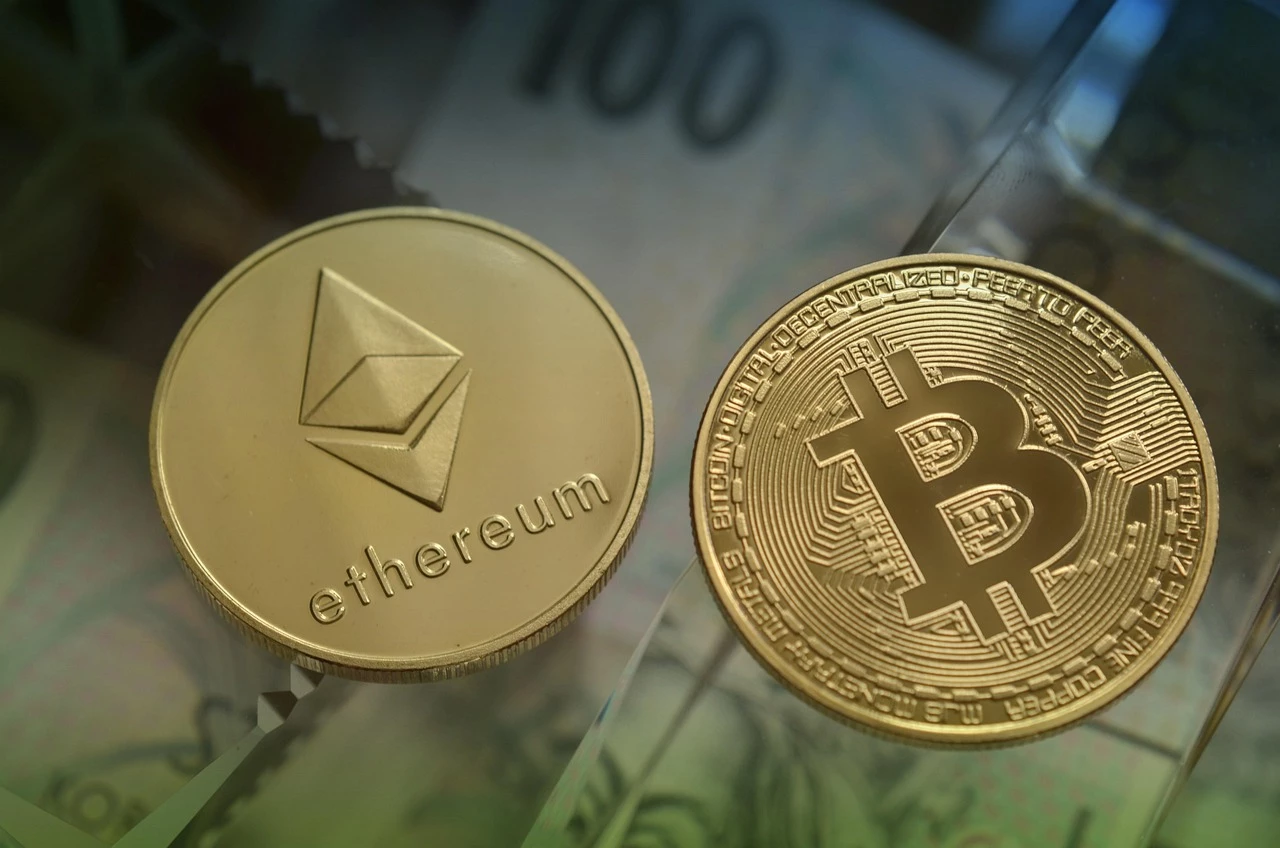
With the growth of cryptocurrencies like Bitcoin and Ethereum, the DeFi ecosystem has expanded rapidly, allowing individuals to lend, borrow, and trade without intermediaries. This shift signifies a crucial turning point in how we perceive and engage with financial services, making it essential to understand its implications.
In this article, we'll delve into the various components of DeFi, explore its current landscape, and discuss why it is poised to play a pivotal role in the future of finance.
Understanding Decentralized Finance
What is DeFi?
Decentralized Finance refers to a movement aimed at recreating traditional financial systems such as lending, borrowing, and trading on the blockchain. Unlike centralized finance, where intermediaries like banks facilitate transactions, DeFi allows users to transact directly with one another.
At its core, DeFi leverages smart contracts—self-executing contracts with the terms of the agreement directly written into code. This technology enables trustless transactions and enhances transparency within the financial ecosystem.
Key Components of DeFi
The DeFi ecosystem is made up of several key components that work together to create a fully functional financial system. These include:
1. **Lending Platforms**: Platforms like Aave and Compound allow users to lend their crypto assets and earn interest, while borrowers can access funds without traditional credit checks.
2. **Decentralized Exchanges (DEXs)**: DEXs like Uniswap and SushiSwap facilitate peer-to-peer trading of cryptocurrencies without the need for a central authority.
3. **Stablecoins**: While avoiding traditional stablecoins, it’s important to note that some DeFi protocols utilize algorithmic stablecoins that adjust supply based on market demand, enabling price stability for transactions.
4. **Yield Farming**: This process allows users to earn rewards by providing liquidity to various DeFi protocols, incentivizing participation in the ecosystem.
The Benefits of DeFi
Financial Inclusion
One of the most significant benefits of DeFi is its potential to promote financial inclusion. By eliminating intermediaries, DeFi platforms can provide access to financial services for unbanked populations, offering opportunities to individuals who may not have had access to traditional banking.
This democratization of finance can empower people globally, allowing them to participate in the economy and improve their financial well-being.
Transparency and Security
DeFi protocols are built on blockchain technology, which inherently provides a transparent and secure environment for transactions. Every transaction is recorded on a public ledger, ensuring accountability and reducing the risk of fraud.
Moreover, smart contracts operate based on predetermined rules, minimizing human error and the potential for manipulation.
Challenges Facing DeFi
Regulatory Concerns
Despite its advantages, DeFi faces significant regulatory scrutiny as governments worldwide grapple with how to approach this emerging sector. The lack of oversight poses risks, particularly concerning consumer protection and anti-money laundering efforts.
As regulations evolve, DeFi projects will need to navigate these complexities while maintaining their core principles of decentralization.
Security Risks
While DeFi offers enhanced security through blockchain technology, vulnerabilities still exist. Smart contracts can be exploited, leading to significant losses for users. High-profile hacks and exploits have raised concerns about the safety of funds within DeFi platforms.
Continuous audits and security assessments are essential to mitigate these risks and enhance user trust in the ecosystem.
The Future of DeFi
Potential Growth
As the DeFi sector matures, we can expect to see increased adoption and innovation. New projects and platforms are emerging regularly, each offering unique solutions to traditional financial challenges.
Additionally, partnerships with traditional financial institutions may pave the way for hybrid models that combine the best of both worlds, creating a more robust financial landscape.
Focus on liquidity, counterparty risk, and execution quality in The Rise of Decentralized Finance: Why It Matters for the Future of Finance. Prefer clear fee schedules and avoid hidden slippage. When uncertainty rises, reduce position size and extend review intervals. Clarity in scope and metrics keeps teams aligned in The Rise of Decentralized Finance: Why It Matters for the Future of Finance. Write crisp definitions of done, instrument the path to green, and audit dependencies. Small, testable changes lower risk and speed up feedback. Builders who last in The Rise of Decentralized Finance: Why It Matters for the Future of Finance do unglamorous work. Document edge cases, measure latency, track fees and liquidity, and review error budgets. Discipline compounds faster than hot takes. Treat KULA as one variable in a wider model.
Interoperability and Cross-Chain Solutions
The future of DeFi will likely hinge on interoperability between different blockchain networks. Solutions enabling seamless transactions across various platforms will enhance user experience and broaden the reach of DeFi services.
Cross-chain technology can facilitate asset transfers, making it easier for users to engage with multiple DeFi protocols and increasing liquidity in the ecosystem.
Key Takeaways
- Decentralized Finance (DeFi) revolutionizes traditional financial services by leveraging blockchain technology.
- DeFi provides open access to financial products without intermediaries, promoting transparency and efficiency.
- Key components of DeFi include lending platforms, decentralized exchanges, and yield farming opportunities.
- Financial inclusion is a significant benefit of DeFi, empowering unbanked populations with access to financial services.
- Regulatory concerns and security risks pose challenges for the growth and adoption of DeFi platforms.
- The future of DeFi includes potential growth, interoperability, and collaborations with traditional finance.
Discover how you can leverage DeFi opportunities today and be part of the financial revolution!