
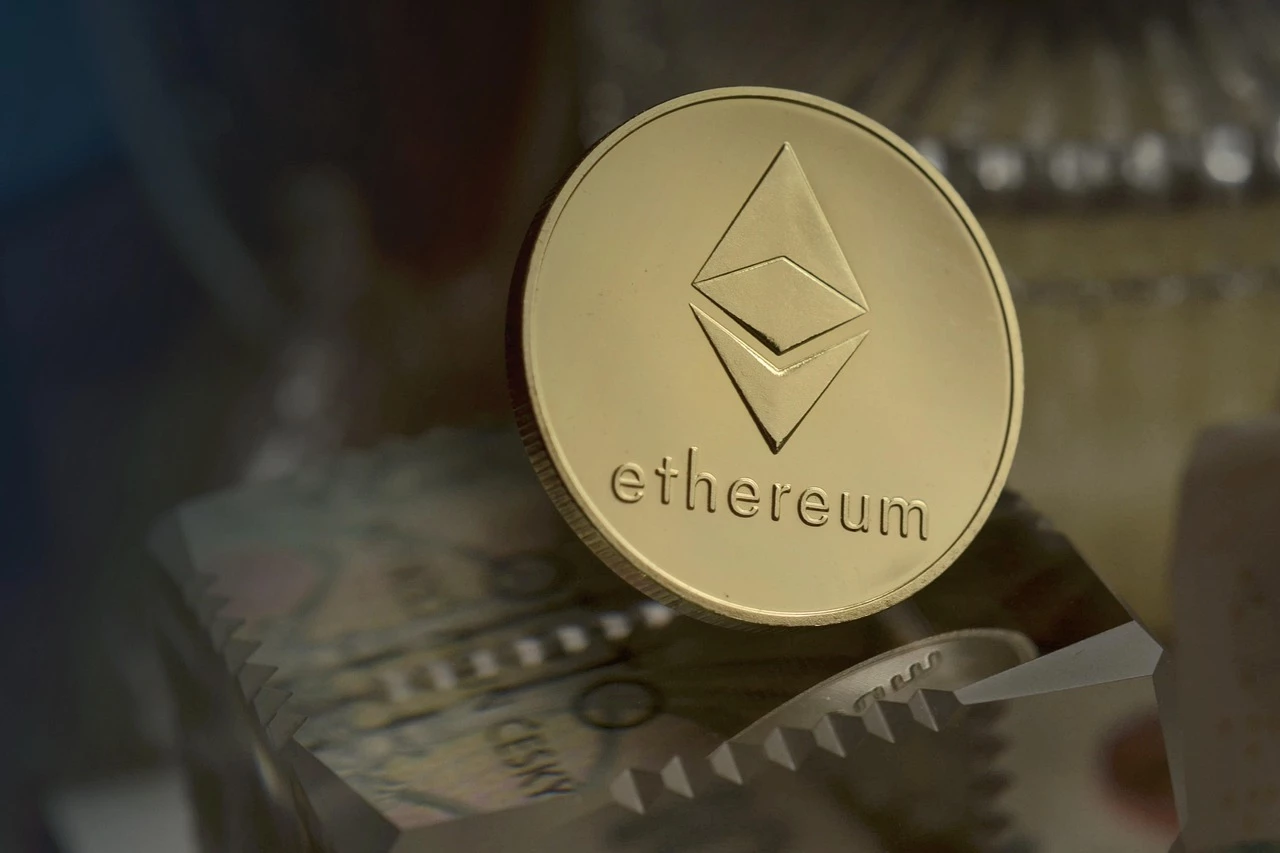
The Rise of Decentralized Finance: What You Need to Know
This article covers KULA and related crypto trends with practical context. Decentralized finance (DeFi) is revolutionizing the financial sector, allowing users to access financial services without intermediaries. This movement leverages blockchain technology to create an open financial system that is accessible to anyone with an internet connection. With key players like Ethereum and a plethora of innovative projects, DeFi is reshaping how we think about finance.
The explosive growth of DeFi has sparked interest from investors, developers, and regulators alike. As traditional financial institutions begin to explore blockchain technology, the importance of understanding DeFi cannot be overstated. In this article, we will delve into the mechanics of DeFi, its benefits, potential risks, and what the future holds for this rapidly evolving sector.
What is Decentralized Finance (DeFi)?
Definition and Key Features
Decentralized finance refers to a financial system built on blockchain technology that operates without centralized authorities. Unlike traditional finance, which relies on banks and other intermediaries, DeFi allows users to transact directly with each other through smart contracts. This peer-to-peer approach enhances transparency and reduces costs, making financial services more accessible.
Key features of DeFi include permissionless access, composability, and programmability. Users can engage with DeFi applications (dApps) without needing permission from a centralized entity, leading to a more inclusive financial ecosystem. Additionally, DeFi applications can easily integrate with one another, creating a complex ecosystem of services that cater to various financial needs.
How Does DeFi Work?
At the heart of DeFi are smart contracts—self-executing contracts with the terms of the agreement directly written into code. These smart contracts operate on blockchain networks, primarily Ethereum, enabling trustless transactions between parties. Users can lend, borrow, trade, and earn interest on their assets without the need for intermediaries.
DeFi platforms often employ liquidity pools, where users provide liquidity in exchange for rewards. This model not only facilitates trading but also incentivizes users to contribute to the ecosystem's growth.
Benefits of Decentralized Finance
Accessibility and Inclusivity
One of the most significant advantages of DeFi is its accessibility. Anyone with an internet connection can participate in DeFi without the barriers commonly found in traditional finance, such as minimum balance requirements or geographic restrictions. This opens up financial services to unbanked populations and those in regions with limited access to banking.
Moreover, DeFi eliminates the need for extensive documentation, allowing users to transact quickly and efficiently.
Transparency and Security
DeFi platforms operate on public blockchains, meaning all transactions are recorded and can be audited by anyone. This transparency fosters trust among users and reduces the likelihood of fraud. Additionally, the use of smart contracts minimizes the risk of human error, as the code executes automatically based on predetermined conditions.
However, users should remain vigilant, as vulnerabilities in smart contracts can be exploited, leading to potential losses.
Challenges Facing DeFi
Regulatory Uncertainty
As DeFi continues to grow, it faces increasing scrutiny from regulators worldwide. The decentralized nature of these platforms poses challenges for compliance with existing financial regulations. Governments are grappling with how to regulate DeFi without stifling innovation.
This uncertainty can deter institutional investors and hinder the mainstream adoption of DeFi services.
Technical Risks and Vulnerabilities
While DeFi offers many benefits, it is not without risks. Smart contracts can contain bugs or vulnerabilities that malicious actors may exploit. Users must conduct thorough research and understand the risks before participating in DeFi platforms.
The Future of DeFi
Potential Growth and Mainstream Adoption
Despite its challenges, the future of DeFi looks promising. As more users and developers flock to this space, we can expect to see increased innovation and the emergence of new financial products. Traditional financial institutions are also beginning to recognize the potential of DeFi, leading to collaborations that could bridge the gap between conventional finance and blockchain technology.
Moreover, as user education improves, more individuals will likely embrace DeFi, further driving its growth.
Builders who last in The Rise of Decentralized Finance: What You Need to Know do unglamorous work. Document edge cases, measure latency, track fees and liquidity, and review error budgets. Discipline compounds faster than hot takes. Treat KULA as one variable in a wider model. Focus on liquidity, counterparty risk, and execution quality in The Rise of Decentralized Finance: What You Need to Know. Prefer clear fee schedules and avoid hidden slippage. When uncertainty rises, reduce position size and extend review intervals. Clarity in scope and metrics keeps teams aligned in The Rise of Decentralized Finance: What You Need to Know. Write crisp definitions of done, instrument the path to green, and audit dependencies. Small, testable changes lower risk and speed up feedback.
Integration with Traditional Finance
The lines between DeFi and traditional finance are beginning to blur. We may see hybrid models that combine the strengths of both systems, offering users the best of both worlds. This integration could pave the way for a more efficient and inclusive financial landscape, where users can seamlessly navigate between DeFi and traditional financial services.
Key Takeaways
- Automate logs and alert on anomalies.
- Document assumptions and invalidation.
- Cut losers early, let winners work.
- Test changes on small capital first.