
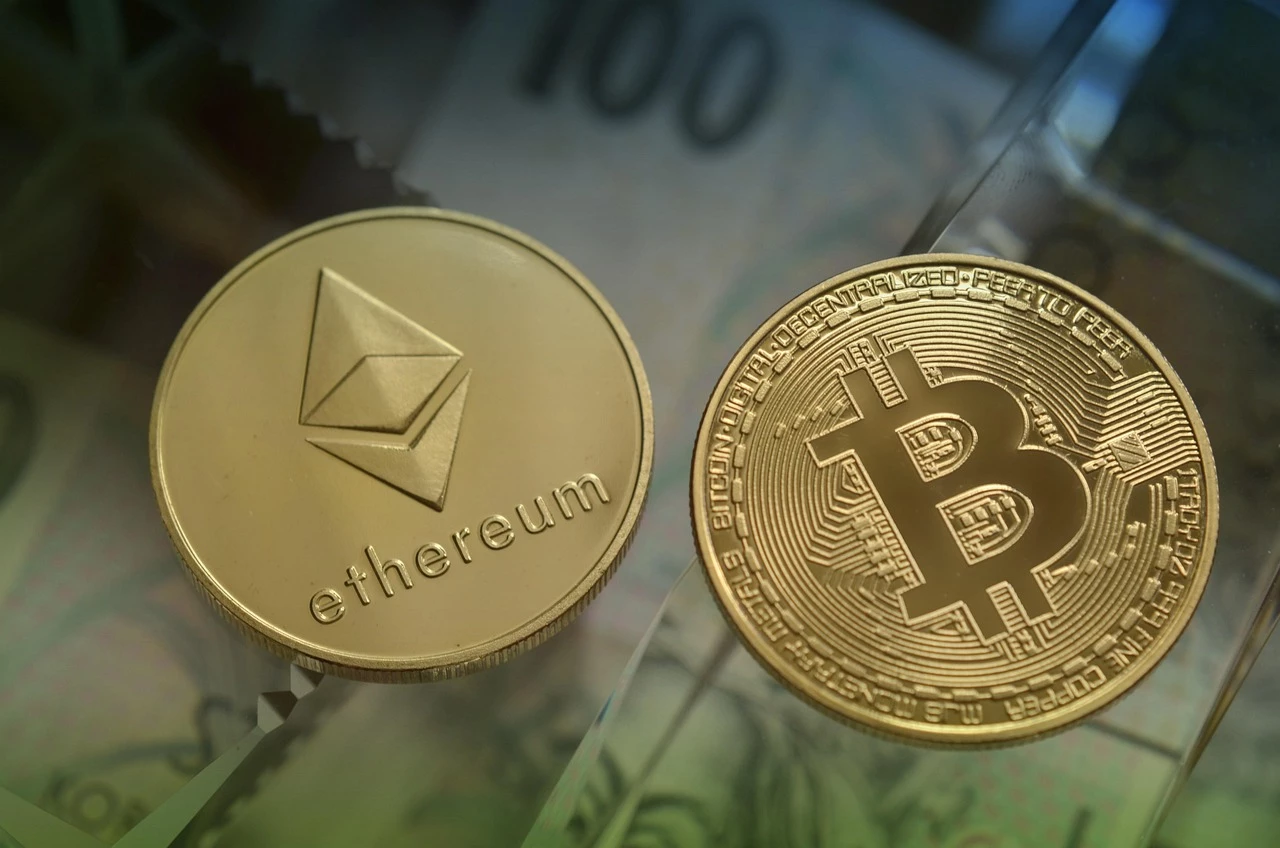
The Rise of Decentralized Finance: Transforming Traditional Finance
This article covers KULA and related crypto trends with practical context. Decentralized Finance (DeFi) has emerged as a groundbreaking movement in the cryptocurrency space, aiming to transform traditional financial systems. By leveraging blockchain technology, DeFi offers an array of services such as lending, borrowing, trading, and investing without intermediaries. This shift not only democratizes access to financial services but also introduces innovative financial products that were previously unimaginable.
As we delve into the world of DeFi, we'll examine its potential, the challenges it faces, and what the future holds for this burgeoning sector. Whether you're a seasoned investor or just curious about the latest trends in cryptocurrency, understanding DeFi is crucial in navigating the evolving financial landscape.
What is Decentralized Finance (DeFi)?
Defining DeFi
Decentralized Finance, or DeFi, refers to a financial ecosystem built on blockchain technology that allows users to engage in financial activities without relying on traditional financial institutions. DeFi platforms utilize smart contracts on blockchains like Ethereum to automate and execute transactions, enabling a more transparent and efficient financial system.
At its core, DeFi aims to recreate and enhance traditional financial services, such as loans, savings, and trading, by using decentralized networks. This means users can access these services directly, without intermediaries like banks or brokers.
Key Components of DeFi
DeFi encompasses a range of financial services, including decentralized exchanges (DEXs), lending platforms, yield farming, and stablecoins. Each component plays a crucial role in creating a comprehensive financial system that operates independently of traditional banking frameworks.
1. **Decentralized Exchanges (DEXs)**: Platforms that allow users to trade cryptocurrencies directly with one another without the need for a central authority. Examples include Uniswap and SushiSwap.
2. **Lending and Borrowing Protocols**: Services that enable users to lend their assets in exchange for interest or to borrow against their crypto holdings. Aave and Compound are notable examples.
3. **Yield Farming**: A practice where users lock their crypto assets in liquidity pools to earn rewards, often in the form of additional tokens.
Benefits of Decentralized Finance
Accessibility and Inclusion
One of the most significant advantages of DeFi is its accessibility. Anyone with an internet connection can participate in DeFi protocols, removing barriers that often exist in traditional finance. This inclusivity opens up financial services to unbanked populations and those in regions with limited banking infrastructure.
Moreover, DeFi platforms often require minimal documentation, making it easier for users to access financial tools without the extensive verification processes associated with banks.
Transparency and Security
DeFi operates on public blockchains, allowing anyone to verify transactions and audit smart contracts. This level of transparency fosters trust among users, as they can independently assess the safety and reliability of a protocol.
Additionally, the use of smart contracts minimizes human error and fraud, as transactions are executed automatically based on pre-defined conditions. However, it’s essential for users to conduct thorough research, as vulnerabilities in smart contracts can lead to exploits.
Challenges Facing DeFi
Regulatory Uncertainty
As DeFi continues to grow, it faces scrutiny from regulators worldwide. Governments are grappling with how to approach this new financial landscape, leading to uncertainty for DeFi projects. Regulatory clarity is crucial for fostering innovation while ensuring consumer protection.
The lack of regulation can also pose risks, as users may not have recourse in the event of fraud or platform failures.
Smart Contract Vulnerabilities
While smart contracts offer security benefits, they are not immune to vulnerabilities. Bugs in the code can lead to significant financial losses for users. High-profile hacks in the DeFi space have raised concerns about the safety of funds locked in these protocols.
To mitigate these risks, it’s vital for users to engage with projects that undergo rigorous audits and to diversify their investments across multiple platforms.
The Future of DeFi
Integration with Traditional Finance
The future of DeFi may see closer integration with traditional financial systems. As banks and financial institutions begin to recognize the potential of blockchain technology, we could witness hybrid models that combine the benefits of both worlds.
Such integration could lead to enhanced financial products and services, providing consumers with more choices and better rates.
Focus on liquidity, counterparty risk, and execution quality in The Rise of Decentralized Finance: Transforming Traditional Finance. Prefer clear fee schedules and avoid hidden slippage. When uncertainty rises, reduce position size and extend review intervals. Operating in The Rise of Decentralized Finance: Transforming Traditional Finance benefits from early telemetry and automated dashboards. Transparency reduces rework and panic moves. When KULA shifts, context is already captured, so you can adjust calmly instead of reacting late. Most outcomes in The Rise of Decentralized Finance: Transforming Traditional Finance come from repeatable systems. Define assumptions, risks, invalidation points, and a recheck cadence. This habit beats narratives. Use KULA as a lens, but let decisions follow current data, not hype.
Innovation and Evolution
DeFi is still in its infancy, and innovation is at the heart of its evolution. New protocols and platforms continue to emerge, pushing the boundaries of what’s possible in the financial realm.
As developers experiment with novel concepts, we can expect to see advancements in areas such as insurance, derivatives, and more complex financial instruments that cater to a broader audience.
Key Takeaways
- Avoid leverage creep during volatility.
- Use data, not headlines, to decide.
- Cut losers early, let winners work.
- Automate logs and alert on anomalies.