
The Rise of Decentralized Finance: Transforming Traditional Banking
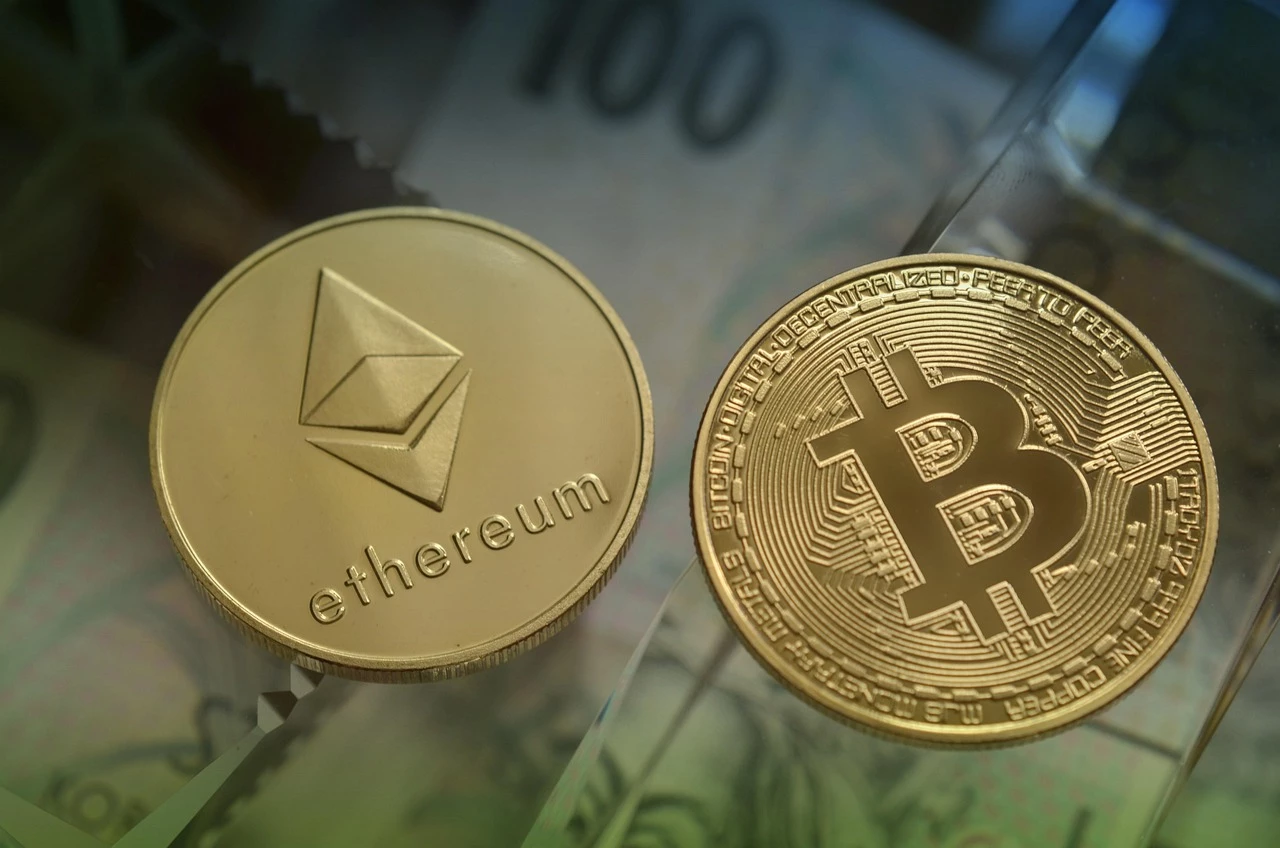
Decentralized finance (DeFi) is revolutionizing the way we perceive banking and finance. By leveraging blockchain technology, DeFi eliminates intermediaries, allowing users to engage directly with financial services. This transformative approach not only enhances accessibility but also introduces unprecedented transparency and security to transactions. As cryptocurrencies like Bitcoin and Ethereum continue to gain traction, the DeFi sector is witnessing exponential growth, attracting investors and innovators alike.
This guide gives you a concise, actionable overview of the topic and why it matters now.
What is Decentralized Finance?
Defining DeFi
Decentralized finance refers to a suite of financial applications built on blockchain technology, primarily Ethereum. Unlike traditional finance, which relies on centralized institutions, DeFi enables peer-to-peer interactions without intermediaries. This shift empowers users to control their assets directly and access financial services ranging from lending and borrowing to trading and insurance.
The core principle of DeFi is to create an open financial system that is accessible to anyone with an internet connection, thus fostering inclusivity and financial literacy.
Key Components of DeFi
DeFi encompasses several essential components, including smart contracts, decentralized exchanges (DEXs), and liquidity pools. Smart contracts automate transactions and enforce agreements without human intervention, while DEXs facilitate trading directly between users. Liquidity pools allow users to provide funds for trading pairs, earning rewards in return, which incentivizes participation in the ecosystem.
Additionally, yield farming and staking have emerged as popular methods for users to earn passive income on their crypto holdings, further driving the adoption of DeFi protocols.
Benefits of Decentralized Finance
Accessibility and Inclusivity
One of the most significant advantages of DeFi is its accessibility. Traditional banking services often exclude individuals in underbanked regions or those without a stable financial history. DeFi platforms require only an internet connection and a digital wallet, making financial services available to a broader audience.
This inclusivity not only empowers individuals but also stimulates economic growth in regions previously marginalized by traditional finance.
Transparency and Security
DeFi operates on public blockchains, ensuring that all transactions are visible and immutable. This transparency builds trust among users and reduces the risk of fraud. Additionally, smart contracts undergo rigorous audits to enhance security, safeguarding user funds against potential vulnerabilities.
While risks remain, such as smart contract bugs and market volatility, the overall security model of DeFi presents a compelling alternative to traditional finance, where opacity can lead to systemic failures.
Challenges Facing DeFi
Regulatory Uncertainty
As DeFi continues to grow, it faces scrutiny from regulators worldwide. Governments are grappling with how to classify and regulate DeFi platforms, which could impact their operations and innovation. A clear regulatory framework is necessary to ensure consumer protection while fostering innovation.
The balance between regulation and decentralization is delicate; too much regulation could stifle growth, while too little could expose users to risks.
Market Volatility
The cryptocurrency market is notoriously volatile, which poses risks for DeFi participants. Sudden price fluctuations can affect collateralized loans, leading to liquidations and financial losses. Users must be aware of these risks and manage their investments accordingly, using strategies such as diversifying their portfolios and setting stop-loss orders.
Moreover, the nascent nature of DeFi means that market dynamics can change rapidly, necessitating continuous education and adaptation by participants.
The Future of DeFi
Integration with Traditional Finance
The lines between traditional finance and DeFi are beginning to blur. Many financial institutions are exploring partnerships with DeFi projects to leverage blockchain technology and enhance their offerings. This integration could lead to hybrid models that combine the best of both worlds, providing users with greater flexibility and options.
As traditional financial entities embrace DeFi, we may witness a more significant shift toward decentralized models, fundamentally changing how financial services are delivered.
Focus on liquidity, counterparty risk, and execution quality in The Rise of Decentralized Finance: Transforming Traditional Banking. Prefer clear fee schedules and avoid hidden slippage. When uncertainty rises, reduce position size and extend review intervals. Most outcomes in The Rise of Decentralized Finance: Transforming Traditional Banking come from repeatable systems. Define assumptions, risks, invalidation points, and a recheck cadence. This habit beats narratives. Use KULA as a lens, but let decisions follow current data, not hype. Builders who last in The Rise of Decentralized Finance: Transforming Traditional Banking do unglamorous work. Document edge cases, measure latency, track fees and liquidity, and review error budgets. Discipline compounds faster than hot takes. Treat KULA as one variable in a wider model.
Innovations on the Horizon
The DeFi space is continuously evolving, with innovative solutions emerging regularly. Projects focused on improving scalability, reducing transaction costs, and enhancing user experience are gaining traction. Furthermore, advancements in cross-chain interoperability are set to facilitate seamless interactions between different blockchain networks, expanding the DeFi ecosystem.
As these innovations unfold, the potential for DeFi to disrupt traditional finance will only grow, paving the way for a new era of financial services that prioritize user empowerment and inclusivity.
Key Takeaways
- Automate logs and alert on anomalies.
- Use data, not headlines, to decide.
- Avoid leverage creep during volatility.
- Measure risk before return in The Rise of Decentralized Finance: Transforming Traditional Banking.