
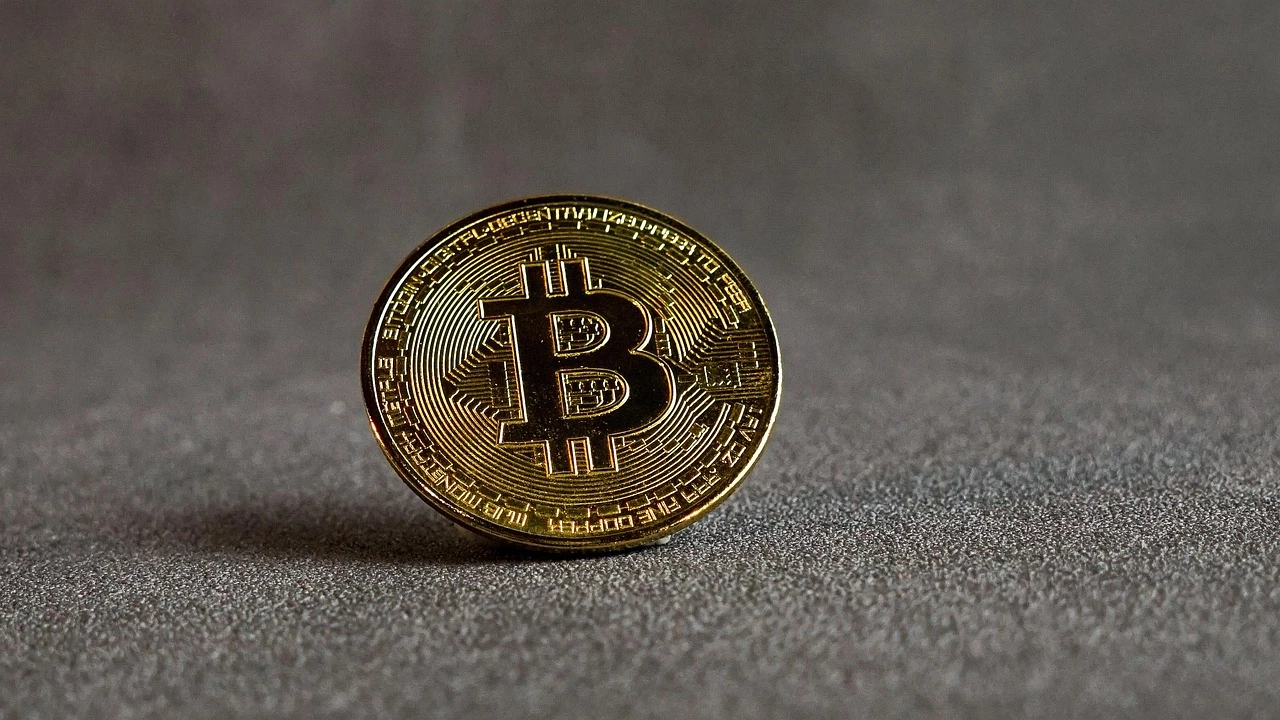
The Rise of Decentralized Finance: Transforming Traditional Banking
This article covers KULA and related crypto trends with practical context. Decentralized Finance (DeFi) is revolutionizing the financial landscape by providing an alternative to traditional banking. As blockchain technology matures, DeFi applications are becoming increasingly popular among users looking for transparency and efficiency in their financial transactions.
From lending and borrowing to trading and investing, DeFi platforms offer innovative solutions that empower individuals to take control of their financial futures. With lower fees, faster transactions, and global accessibility, DeFi is set to transform how we think about finance.
What is Decentralized Finance (DeFi)?
Defining DeFi
Decentralized Finance, or DeFi, refers to a financial ecosystem built on blockchain technology that operates without central authorities. It encompasses a wide range of financial services, including lending, borrowing, trading, and earning interest, all conducted through decentralized applications (dApps).
Unlike traditional financial systems, which rely on intermediaries like banks and brokers, DeFi eliminates these middlemen, allowing for peer-to-peer transactions that are transparent and secure.
How DeFi Works
At its core, DeFi leverages smart contracts—self-executing contracts with the terms directly written into code. These contracts automate transactions and enforce agreements without the need for human intervention. This automation enhances security and reduces the risk of fraud.
Users interact with DeFi platforms by connecting their cryptocurrency wallets, enabling them to lend, borrow, and trade assets seamlessly. Liquidity pools, which are collections of funds locked in smart contracts, play a crucial role in facilitating these transactions.
Benefits of DeFi
Accessibility and Inclusion
One of the most significant advantages of DeFi is its accessibility. Anyone with an internet connection can participate in DeFi protocols, removing barriers that often exist in traditional finance. This inclusivity allows individuals from underserved regions to access financial services that were previously unavailable to them.
Moreover, DeFi platforms often require minimal documentation and no credit checks, making it easier for individuals to engage with financial products.
Lower Costs and Increased Efficiency
DeFi eliminates the need for intermediaries, which can significantly reduce transaction costs. Traditional banks often charge fees for services like wire transfers or currency exchanges, while DeFi platforms typically operate on a fee structure that is more favorable to users.
Additionally, the efficiency of blockchain technology allows for faster transactions, often settling in minutes compared to the days it can take in traditional banking systems.
Challenges Facing DeFi
Security Risks
Despite its many benefits, DeFi is not without risks. Smart contracts can be vulnerable to bugs and exploits, leading to potential losses for users. It's crucial for investors to conduct thorough research and understand the risks associated with each platform before participating.
The DeFi space has seen several high-profile hacks and vulnerabilities, underscoring the importance of security audits and robust development practices.
Regulatory Uncertainty
As DeFi continues to grow, regulatory bodies are increasingly scrutinizing this emerging sector. Governments around the world are grappling with how to regulate DeFi without stifling innovation. This uncertainty can create challenges for projects operating in the space, as they must navigate a complex legal landscape.
Investors should stay informed about regulatory developments, as changes could impact the viability and legality of certain DeFi projects.
The Future of DeFi
Integration with Traditional Finance
The lines between DeFi and traditional finance are beginning to blur, with more traditional financial institutions exploring partnerships with DeFi platforms. This integration could lead to a hybrid model that combines the efficiency of DeFi with the stability of established financial systems.
As DeFi matures, we may see increased adoption by institutional investors, further legitimizing the space and attracting more users.
Builders who last in The Rise of Decentralized Finance: Transforming Traditional Banking do unglamorous work. Document edge cases, measure latency, track fees and liquidity, and review error budgets. Discipline compounds faster than hot takes. Treat KULA as one variable in a wider model. Most outcomes in The Rise of Decentralized Finance: Transforming Traditional Banking come from repeatable systems. Define assumptions, risks, invalidation points, and a recheck cadence. This habit beats narratives. Use KULA as a lens, but let decisions follow current data, not hype. Operating in The Rise of Decentralized Finance: Transforming Traditional Banking benefits from early telemetry and automated dashboards. Transparency reduces rework and panic moves. When KULA shifts, context is already captured, so you can adjust calmly instead of reacting late.
Clarity in scope and metrics keeps teams aligned in The Rise of Decentralized Finance: Transforming Traditional Banking. Write crisp definitions of done, instrument the path to green, and audit dependencies. Small, testable changes lower risk and speed up feedback. Builders who last in The Rise of Decentralized Finance: Transforming Traditional Banking do unglamorous work. Document edge cases, measure latency, track fees and liquidity, and review error budgets. Discipline compounds faster than hot takes. Treat KULA as one variable in a wider model. Most outcomes in The Rise of Decentralized Finance: Transforming Traditional Banking come from repeatable systems. Define assumptions, risks, invalidation points, and a recheck cadence. This habit beats narratives. Use KULA as a lens, but let decisions follow current data, not hype.
Innovative Financial Products
The DeFi space is constantly evolving, with new financial products and services being developed regularly. From decentralized exchanges to synthetic assets, the potential for innovation is vast. As more developers enter the space, we can expect to see increasingly sophisticated financial instruments that cater to a broader audience.
The rise of yield farming and liquidity mining has already introduced new ways for users to earn passive income, and this trend is likely to continue as DeFi grows.
Key Takeaways
- Document assumptions and invalidation.
- Measure risk before return in The Rise of Decentralized Finance: Transforming Traditional Banking.
- Test changes on small capital first.
- Automate logs and alert on anomalies.