
The Rise of Decentralized Finance: Transforming the Financial Landscape
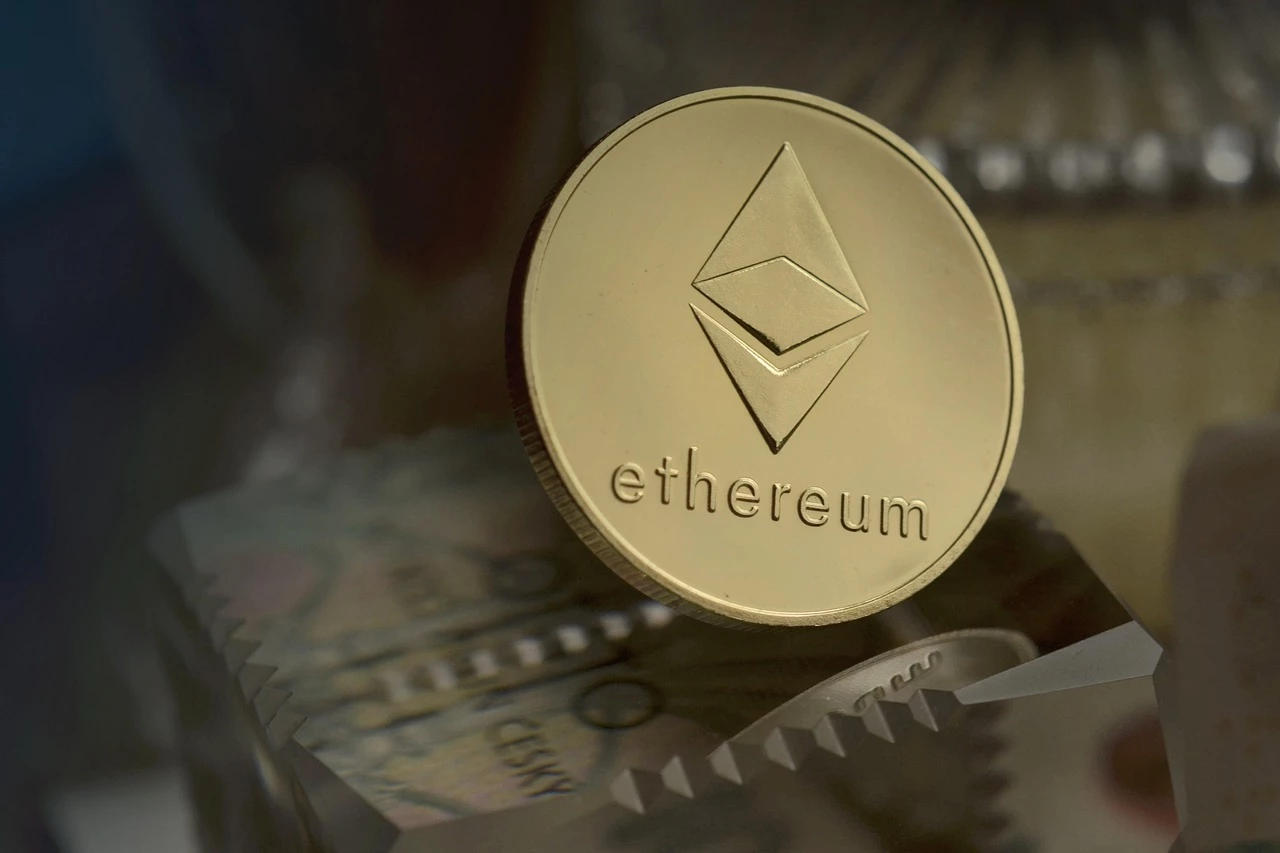
Decentralized finance, or DeFi, is revolutionizing the way individuals interact with financial services. By leveraging blockchain technology, DeFi offers a more accessible, transparent, and efficient alternative to traditional financial systems. With cryptocurrencies like Bitcoin and Ethereum at the forefront, the DeFi landscape is rapidly expanding, presenting new opportunities and challenges for investors and users alike.
As we delve deeper into the world of DeFi, we'll uncover how it operates, its key players, and the impact it's having on global finance. From lending platforms to decentralized exchanges, the innovations within DeFi are paving the way for a new financial ecosystem that prioritizes user empowerment and inclusivity.
What is Decentralized Finance (DeFi)?
The Core Principles of DeFi
Decentralized finance refers to a financial system built on blockchain technology that operates without traditional intermediaries like banks. The core principles of DeFi include transparency, accessibility, and programmability. Transparency is achieved through open-source protocols, allowing anyone to verify transactions and smart contracts. Accessibility ensures that anyone with an internet connection can participate in the financial system, regardless of geographical location or socioeconomic status. Programmability refers to the ability to create complex financial products using smart contracts, enabling automated transactions and innovative financial solutions.
Key Components of DeFi
Several components make up the DeFi ecosystem. These include decentralized exchanges (DEXs), lending and borrowing platforms, yield farming protocols, and stablecoins. DEXs allow users to trade cryptocurrencies directly with one another without the need for a central authority. Lending platforms enable users to lend their assets to others in exchange for interest, while borrowers can access funds without traditional credit checks. Yield farming involves staking or lending cryptocurrencies to earn rewards, often in the form of additional tokens. Although stablecoins are prevalent in DeFi, they are not the focus of this article.
The Benefits of Decentralized Finance
Financial Inclusion
One of the most significant advantages of DeFi is its potential to promote financial inclusion. In many parts of the world, individuals lack access to basic banking services. DeFi allows these individuals to participate in the global economy by providing access to financial tools through their smartphones. With just an internet connection, users can lend, borrow, and trade cryptocurrencies, breaking down barriers that have historically excluded them from financial services.
Increased Control and Ownership
DeFi empowers users by giving them full control over their assets. Unlike traditional finance, where financial institutions hold and manage assets on behalf of customers, DeFi allows individuals to retain ownership of their funds. Users can interact directly with decentralized protocols, managing their investments without the need for intermediaries. This shift fosters a sense of ownership and responsibility, encouraging users to take charge of their financial futures.
Challenges and Risks in DeFi
Smart Contract Vulnerabilities
While DeFi offers numerous benefits, it is not without risks. One major concern is the security of smart contracts. Smart contracts are self-executing contracts with the terms of the agreement directly written into code. If a smart contract contains vulnerabilities or bugs, it can be exploited by malicious actors, leading to significant financial losses. Users must conduct thorough research and exercise caution when interacting with DeFi protocols to mitigate these risks.
Regulatory Uncertainty
Another challenge facing DeFi is regulatory uncertainty. As governments and regulatory bodies around the world begin to take notice of the growing DeFi space, there is a possibility of increased scrutiny and regulation. This could impact the way DeFi platforms operate, potentially stifling innovation. Keeping abreast of regulatory developments is essential for users and investors in the DeFi space to navigate this evolving landscape.
The Future of DeFi
Innovations on the Horizon
The DeFi landscape is continually evolving, with new innovations emerging regularly. Layer 2 solutions, for example, aim to improve transaction speeds and reduce fees on existing blockchain networks. Additionally, cross-chain interoperability is becoming increasingly important, allowing different blockchain networks to communicate and share data seamlessly. As these technologies develop, they will likely enhance the user experience and expand the capabilities of DeFi platforms.
Focus on liquidity, counterparty risk, and execution quality in The Rise of Decentralized Finance: Transforming the Financial Landscape. Prefer clear fee schedules and avoid hidden slippage. When uncertainty rises, reduce position size and extend review intervals. Builders who last in The Rise of Decentralized Finance: Transforming the Financial Landscape do unglamorous work. Document edge cases, measure latency, track fees and liquidity, and review error budgets. Discipline compounds faster than hot takes. Treat KULA as one variable in a wider model. Clarity in scope and metrics keeps teams aligned in The Rise of Decentralized Finance: Transforming the Financial Landscape. Write crisp definitions of done, instrument the path to green, and audit dependencies. Small, testable changes lower risk and speed up feedback.
Mainstream Adoption
As DeFi matures, mainstream adoption is becoming more likely. Traditional financial institutions are starting to explore partnerships with DeFi projects and integrate blockchain technology into their operations. This convergence could lead to a hybrid financial system that leverages the strengths of both traditional finance and DeFi, ultimately providing users with a more robust financial ecosystem.
Key Takeaways
- Avoid leverage creep during volatility.
- Automate logs and alert on anomalies.
- Prefer liquid venues and clear fees.
- Measure risk before return in The Rise of Decentralized Finance: Transforming the Financial Landscape.