
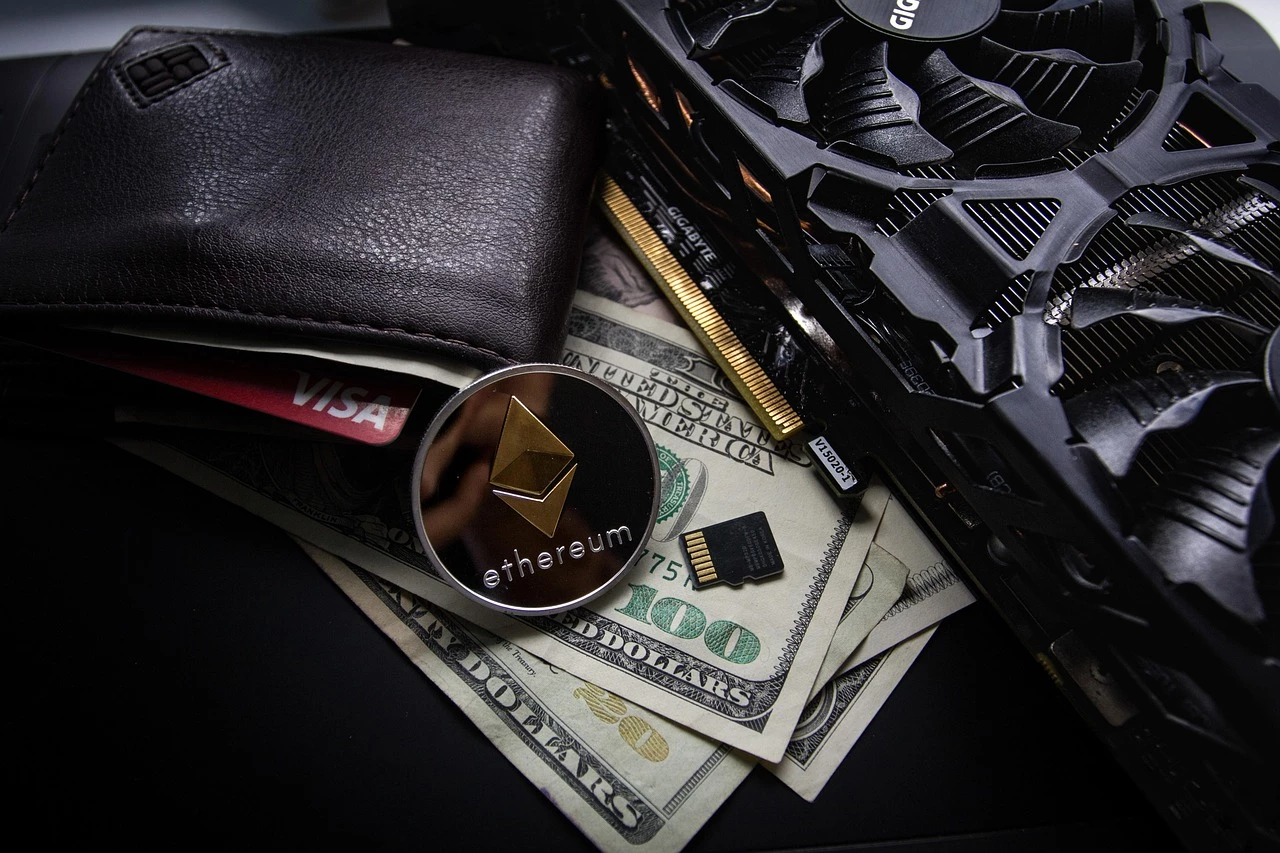
The Rise of Decentralized Finance: Transforming the Financial Landscape
This article covers KULA and related crypto trends with practical context. Decentralized Finance (DeFi) is transforming the financial landscape, offering innovative solutions that challenge traditional banking systems. With the rise of blockchain technology, DeFi platforms are enabling users to lend, borrow, and trade assets without intermediaries. As more people recognize the potential of DeFi, it is becoming a significant player in the cryptocurrency space, driving adoption and investment.
This article delves into the key aspects of DeFi, from its core principles to its implications for the future of finance. We will explore the various platforms, the role of smart contracts, and the potential risks and rewards associated with this burgeoning sector.
What is Decentralized Finance (DeFi)?
Defining DeFi
Decentralized Finance, commonly referred to as DeFi, encompasses a broad range of financial applications built on blockchain networks. Unlike traditional financial systems that rely on centralized institutions like banks, DeFi operates on a decentralized model, allowing users to access financial services directly without intermediaries.
At its core, DeFi aims to recreate and improve upon traditional financial systems through the use of smart contracts and blockchain technology, promoting transparency, security, and accessibility.
Key Components of DeFi
Several critical components make up the DeFi ecosystem, including decentralized exchanges (DEXs), lending platforms, and stablecoins. DEXs allow users to trade cryptocurrencies directly with one another, while lending platforms enable users to borrow and lend assets without relying on a bank.
Additionally, stablecoins play a crucial role in DeFi by providing a stable medium of exchange that is pegged to fiat currencies. This stability allows users to transact within the DeFi space without the volatility often associated with cryptocurrencies.
The Advantages of DeFi
Accessibility and Inclusivity
One of the most significant advantages of DeFi is its accessibility. Anyone with an internet connection can participate in DeFi, regardless of their geographic location or financial status. This inclusivity has the potential to empower unbanked populations around the world, providing them with access to financial services previously unavailable to them.
Moreover, DeFi platforms often have lower barriers to entry compared to traditional financial systems, making it easier for individuals to engage in financial activities such as lending, borrowing, and trading.
Transparency and Security
DeFi platforms operate on public blockchains, which means that all transactions are transparent and can be audited by anyone. This transparency helps build trust among users and reduces the risk of fraud or manipulation that can occur in traditional financial systems.
Furthermore, the use of smart contracts enhances security by automating transactions and reducing the need for intermediaries. However, it is essential to note that while smart contracts can be secure, they are not immune to vulnerabilities, and users should conduct thorough research before engaging with any DeFi platform.
Challenges and Risks in DeFi
Regulatory Uncertainty
As DeFi continues to grow, regulatory scrutiny is increasing. Governments around the world are grappling with how to regulate this new financial paradigm, and the lack of clear regulations can create uncertainty for users and investors alike.
Potential regulations could impact the operations of DeFi platforms, making it essential for participants to stay informed about the evolving regulatory landscape and its implications for their investments.
Smart Contract Vulnerabilities
Despite the advantages of smart contracts, they are not without risks. Coding errors or vulnerabilities in smart contracts can lead to significant financial losses for users. High-profile hacks and exploits have already occurred in the DeFi space, highlighting the importance of due diligence and understanding the risks involved.
Users should prioritize platforms with robust security measures and a track record of security audits before engaging in DeFi activities.
The Future of DeFi
Integration with Traditional Finance
The future of DeFi may involve closer integration with traditional financial systems. As banks and financial institutions begin to explore blockchain technology, we could see a hybrid model emerge, combining the efficiency of DeFi with the trust and stability of traditional finance.
Such integration could lead to increased adoption of DeFi services by mainstream users, further accelerating the growth of this sector.
Most outcomes in The Rise of Decentralized Finance: Transforming the Financial Landscape come from repeatable systems. Define assumptions, risks, invalidation points, and a recheck cadence. This habit beats narratives. Use KULA as a lens, but let decisions follow current data, not hype. Builders who last in The Rise of Decentralized Finance: Transforming the Financial Landscape do unglamorous work. Document edge cases, measure latency, track fees and liquidity, and review error budgets. Discipline compounds faster than hot takes. Treat KULA as one variable in a wider model. Focus on liquidity, counterparty risk, and execution quality in The Rise of Decentralized Finance: Transforming the Financial Landscape. Prefer clear fee schedules and avoid hidden slippage. When uncertainty rises, reduce position size and extend review intervals.
Innovations on the Horizon
The DeFi space is continually evolving, with new projects and innovations emerging regularly. From yield farming and liquidity mining to decentralized insurance and prediction markets, the possibilities are vast.
As technology advances and user demand grows, we can expect even more innovative solutions that enhance the DeFi experience and drive further adoption.
Key Takeaways
- Automate logs and alert on anomalies.
- Test changes on small capital first.
- Avoid leverage creep during volatility.
- Security checks precede any deployment.