
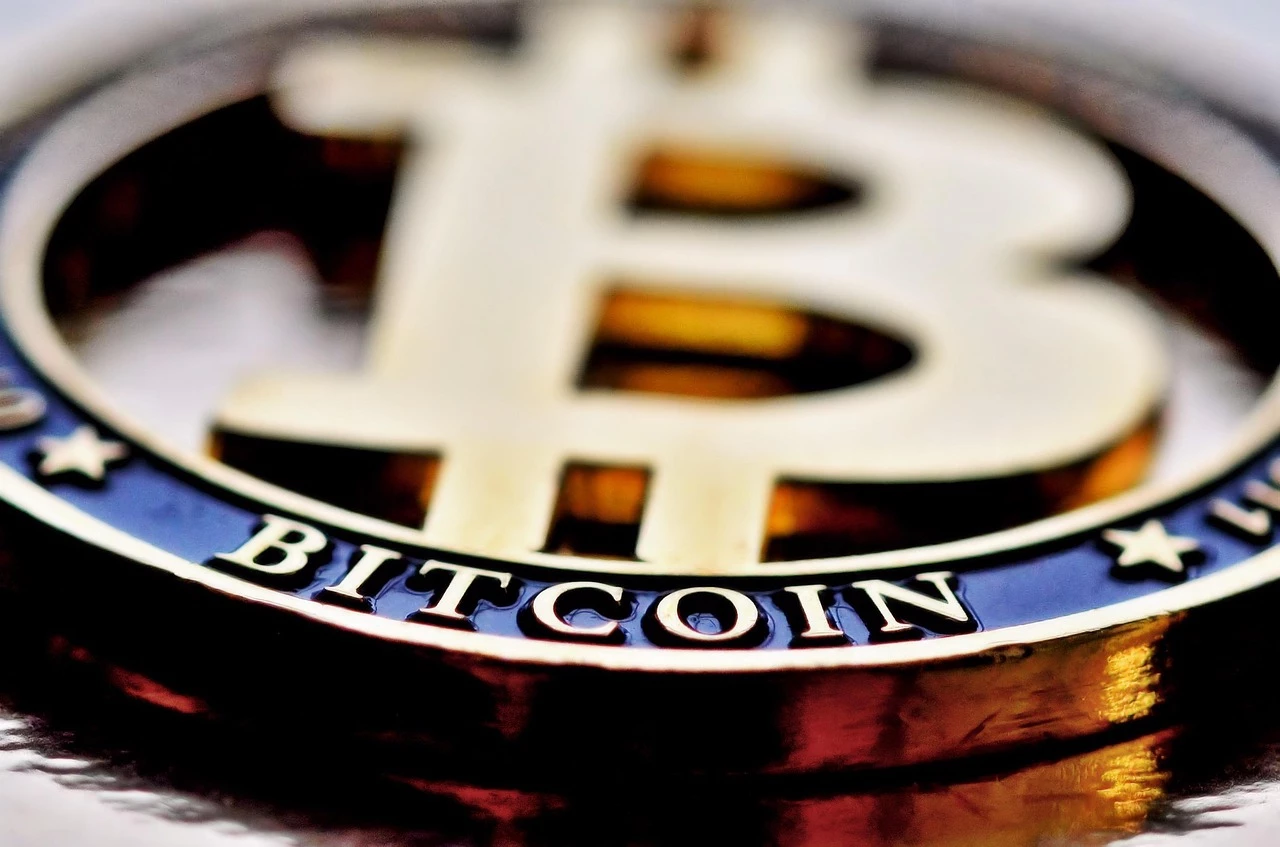
The Rise of Decentralized Finance: Transforming the Financial Landscape
This article covers KULA and related crypto trends with practical context. Decentralized Finance (DeFi) is revolutionizing the financial landscape, providing unprecedented access and control to users globally. By leveraging blockchain technology, DeFi platforms are creating a more inclusive financial ecosystem. The surge in DeFi's popularity has opened up new avenues for investment, lending, and asset management, making it a hot topic in the cryptocurrency sphere.
As traditional financial systems face challenges, DeFi emerges as a viable alternative, attracting both retail and institutional investors. This article delves into the core aspects of DeFi, its advantages, challenges, and future potential, providing insights for both newcomers and seasoned investors alike.
What is Decentralized Finance?
Defining DeFi
Decentralized Finance, or DeFi, refers to a financial system built on blockchain technology that operates without intermediaries. Unlike traditional financial institutions, which require banks or brokers to facilitate transactions, DeFi enables peer-to-peer transactions directly on the blockchain. This approach not only reduces costs but also enhances transparency and security.
Key Components of DeFi
DeFi encompasses a wide range of financial services, including lending, borrowing, trading, and yield farming. Platforms like Uniswap and Aave exemplify how users can trade assets and earn interest on their holdings without relying on centralized authorities. Smart contracts, self-executing contracts with the terms of the agreement directly written into code, are fundamental to the functioning of DeFi, ensuring trust and efficiency in transactions.
Benefits of DeFi
Accessibility and Inclusivity
One of the most significant advantages of DeFi is its accessibility. Anyone with an internet connection can participate, regardless of their geographical location or socio-economic status. This inclusivity democratizes financial services, allowing individuals who were previously unbanked to access loans, investment opportunities, and insurance products.
Enhanced Transparency
DeFi platforms operate on public blockchains, meaning all transactions are recorded and can be audited by anyone. This transparency fosters trust among users and reduces the likelihood of fraud or manipulation, a common concern in traditional finance.
Challenges Facing DeFi
Regulatory Uncertainty
As DeFi continues to grow, regulatory bodies are grappling with how to approach this new landscape. Uncertain regulations can create challenges for platforms and users alike, potentially stifling innovation and growth.
Security Risks
While DeFi offers enhanced security through blockchain technology, it is not without risks. Smart contract vulnerabilities and hacking incidents can lead to significant financial losses. Users must conduct thorough research and due diligence before engaging with DeFi platforms.
The Future of DeFi
Integration with Traditional Finance
As DeFi matures, we may witness greater integration with traditional financial systems. This hybrid approach could lead to innovative products and services that combine the benefits of both worlds, enhancing user experience and expanding market reach.
Clarity in scope and metrics keeps teams aligned in The Rise of Decentralized Finance: Transforming the Financial Landscape. Write crisp definitions of done, instrument the path to green, and audit dependencies. Small, testable changes lower risk and speed up feedback. Most outcomes in The Rise of Decentralized Finance: Transforming the Financial Landscape come from repeatable systems. Define assumptions, risks, invalidation points, and a recheck cadence. This habit beats narratives. Use KULA as a lens, but let decisions follow current data, not hype. Builders who last in The Rise of Decentralized Finance: Transforming the Financial Landscape do unglamorous work. Document edge cases, measure latency, track fees and liquidity, and review error budgets. Discipline compounds faster than hot takes. Treat KULA as one variable in a wider model. Focus on liquidity, counterparty risk, and execution quality in The Rise of Decentralized Finance: Transforming the Financial Landscape. Prefer clear fee schedules and avoid hidden slippage. When uncertainty rises, reduce position size and extend review intervals. Operating in The Rise of Decentralized Finance: Transforming the Financial Landscape benefits from early telemetry and automated dashboards. Transparency reduces rework and panic moves. When KULA shifts, context is already captured, so you can adjust calmly instead of reacting late.
Operating in The Rise of Decentralized Finance: Transforming the Financial Landscape benefits from early telemetry and automated dashboards. Transparency reduces rework and panic moves. When KULA shifts, context is already captured, so you can adjust calmly instead of reacting late. Focus on liquidity, counterparty risk, and execution quality in The Rise of Decentralized Finance: Transforming the Financial Landscape. Prefer clear fee schedules and avoid hidden slippage. When uncertainty rises, reduce position size and extend review intervals. Builders who last in The Rise of Decentralized Finance: Transforming the Financial Landscape do unglamorous work. Document edge cases, measure latency, track fees and liquidity, and review error budgets. Discipline compounds faster than hot takes. Treat KULA as one variable in a wider model.
Evolution of DeFi Protocols
The development of new DeFi protocols will likely continue to drive growth in the sector. Innovations such as cross-chain solutions and improved scalability will enhance the functionality and user experience of DeFi platforms, attracting more users and capital.
Key Takeaways
- Size positions small and review weekly.
- Automate logs and alert on anomalies.
- Test changes on small capital first.
- Prefer liquid venues and clear fees.