
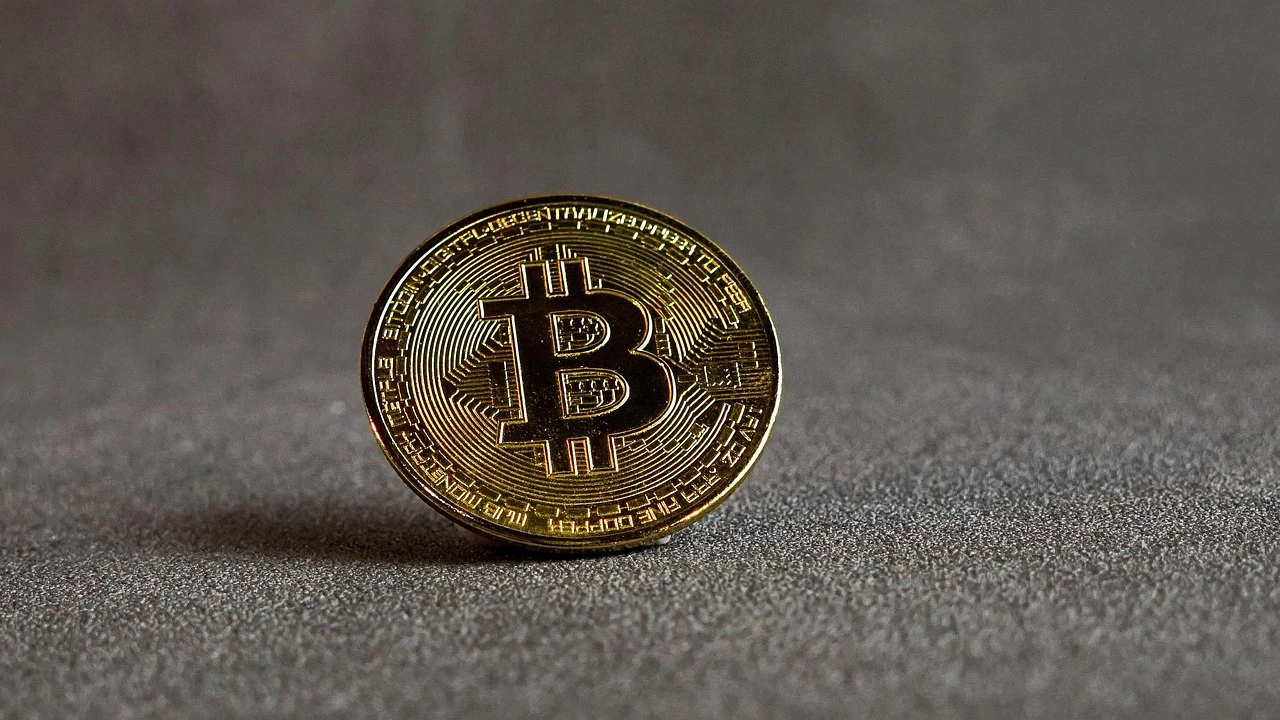
The Rise of Decentralized Finance: Transforming the Crypto Landscape
This article covers KULA and related crypto trends with practical context. Decentralized Finance (DeFi) is rapidly transforming the cryptocurrency landscape, providing users with unprecedented access to financial services without intermediaries. As the crypto market evolves, DeFi platforms are becoming essential tools for traders, investors, and everyday users seeking innovative ways to manage their assets. By leveraging blockchain technology, DeFi eliminates the need for traditional banks and financial institutions, fostering a more inclusive financial ecosystem.
With the rise of smart contracts and decentralized applications (dApps), DeFi offers opportunities ranging from lending and borrowing to yield farming and liquidity pools. In this article, we'll delve into the mechanisms driving DeFi's growth, its advantages and challenges, and what the future holds for this dynamic sector.
What is Decentralized Finance (DeFi)?
Defining DeFi
Decentralized Finance, or DeFi, refers to a financial system built on blockchain technology that operates without traditional intermediaries like banks or brokers. Instead, DeFi leverages smart contracts on platforms such as Ethereum to facilitate various financial transactions, making them more transparent, efficient, and accessible.
DeFi encompasses a wide range of services, including decentralized exchanges (DEXs), lending and borrowing protocols, stablecoins, and yield farming platforms, among others. By removing middlemen, DeFi allows users to retain full control over their assets while participating in financial activities.
Key Components of DeFi
The primary components of the DeFi ecosystem include:
1. **Smart Contracts**: Self-executing contracts with the terms of the agreement directly written into code. They automate processes, reducing the need for intermediaries.
2. **Decentralized Exchanges (DEXs)**: Platforms allowing users to trade cryptocurrencies directly with one another, often with lower fees and enhanced privacy.
3. **Lending and Borrowing Protocols**: Platforms enabling users to lend their assets to others for interest or borrow assets against collateral, all facilitated by smart contracts.
4. **Liquidity Pools**: Collections of funds that provide liquidity for DEXs and other DeFi applications, often incentivized through token rewards.
Advantages of DeFi
Accessibility and Inclusivity
One of the most significant advantages of DeFi is its accessibility. Anyone with an internet connection can participate in DeFi platforms, regardless of their geographical location or financial background. This inclusivity fosters financial empowerment and opens up opportunities for unbanked populations around the world.
Furthermore, DeFi platforms typically require minimal documentation, allowing users to engage in financial services without the cumbersome processes associated with traditional banking.
Transparency and Security
DeFi operates on public blockchains, ensuring that all transactions are transparent and verifiable by anyone. This transparency enhances trust among users and allows for greater scrutiny of financial operations. Additionally, the use of smart contracts reduces the risk of human error and fraud, as the code governs transactions automatically.
However, it's crucial to note that while blockchain technology offers enhanced security, vulnerabilities can still exist in smart contracts, leading to potential exploits if not properly audited.
Challenges Facing DeFi
Regulatory Uncertainty
As DeFi continues to grow, regulatory bodies worldwide are grappling with how to approach this new financial paradigm. The lack of clear regulations can create uncertainty for users and developers alike, potentially stifling innovation. Governments may impose regulations that could impact the operation of DeFi platforms, affecting user participation and overall growth in the sector.
The challenge lies in balancing the need for consumer protection with the promotion of innovation and accessibility that DeFi offers.
Smart Contract Risks
While smart contracts provide efficiency and security, they are not infallible. Bugs or vulnerabilities in the code can lead to significant financial losses for users. High-profile hacks in the DeFi space have highlighted the need for rigorous audits and security measures before deploying smart contracts. Users must exercise caution and conduct thorough research before engaging with DeFi platforms.
The Future of DeFi
Integration with Traditional Finance
As DeFi matures, we may see an increasing integration with traditional financial systems. Some banks and financial institutions are exploring partnerships with DeFi platforms, seeking to leverage the benefits of blockchain technology while maintaining regulatory compliance. This convergence could lead to a more hybrid financial ecosystem, blending the efficiency of DeFi with the stability of traditional finance.
Moreover, as regulations become clearer, established financial players may adopt DeFi principles to enhance their service offerings, potentially transforming the financial landscape as we know it.
Clarity in scope and metrics keeps teams aligned in The Rise of Decentralized Finance: Transforming the Crypto Landscape. Write crisp definitions of done, instrument the path to green, and audit dependencies. Small, testable changes lower risk and speed up feedback. Builders who last in The Rise of Decentralized Finance: Transforming the Crypto Landscape do unglamorous work. Document edge cases, measure latency, track fees and liquidity, and review error budgets. Discipline compounds faster than hot takes. Treat KULA as one variable in a wider model. Focus on liquidity, counterparty risk, and execution quality in The Rise of Decentralized Finance: Transforming the Crypto Landscape. Prefer clear fee schedules and avoid hidden slippage. When uncertainty rises, reduce position size and extend review intervals.
Innovations in DeFi
The DeFi space is ripe for innovation, with new projects continually emerging to address existing challenges and expand the range of services available. From advanced lending protocols to novel insurance solutions, the potential for growth is immense. As developers experiment with new ideas and technologies, users can expect a more diverse and dynamic financial landscape.
The advent of cross-chain interoperability solutions may also enhance DeFi's functionality, allowing users to access services across multiple blockchain networks, further increasing the ecosystem's reach and usability.
Key Takeaways
- Decentralized Finance (DeFi) eliminates intermediaries, providing users with direct access to financial services.
- Key components of DeFi include smart contracts, decentralized exchanges, lending protocols, and liquidity pools.
- DeFi promotes accessibility and inclusivity, allowing anyone with internet access to participate.
- Transparency and security are hallmarks of DeFi, but smart contract vulnerabilities must be addressed.
- Regulatory uncertainty poses challenges for DeFi's growth and integration with traditional finance.
- The future of DeFi may see increased collaboration with traditional financial institutions and innovative solutions.
Ready to dive into the world of DeFi? Explore the latest platforms and discover how you can benefit from this revolutionary financial ecosystem.