
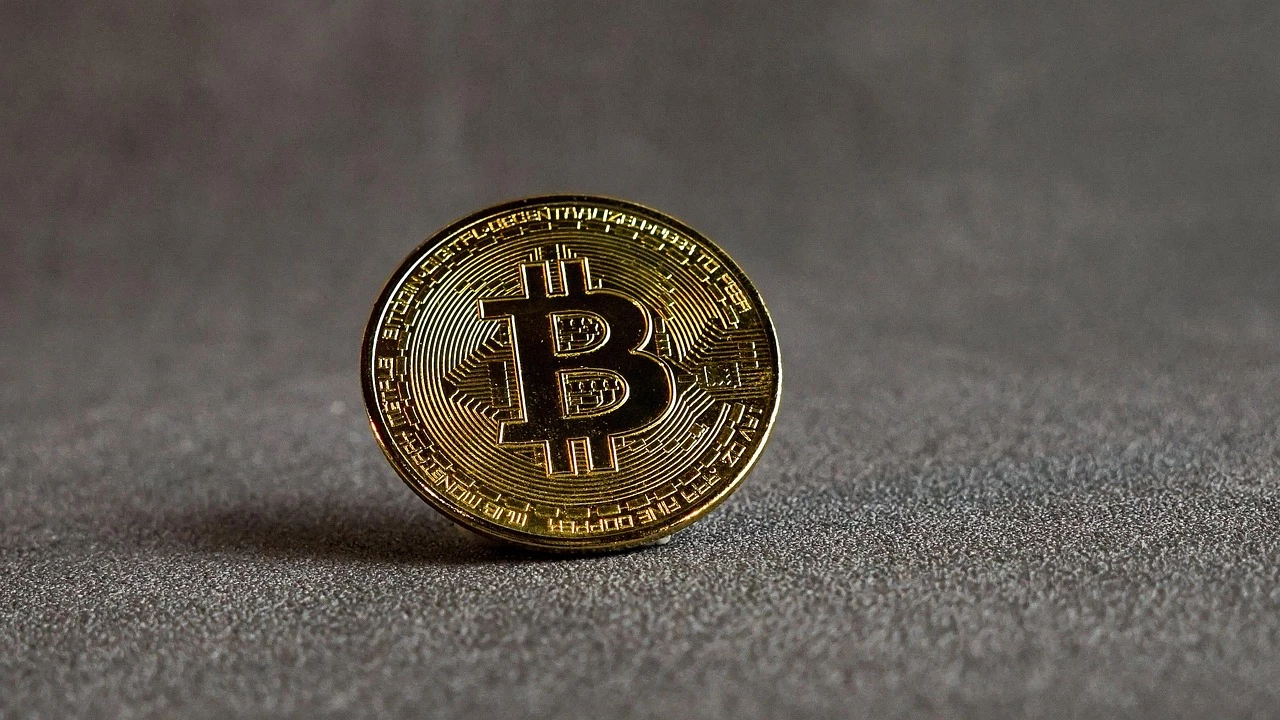
The Rise of Decentralized Finance: Opportunities and Challenges Ahead
This article covers KULA and related crypto trends with practical context. Decentralized Finance, or DeFi, is reshaping the traditional financial landscape by leveraging blockchain technology. With platforms built on Ethereum and other blockchains, DeFi offers users unprecedented access to financial services without intermediaries. This innovative sector allows individuals to lend, borrow, trade, and earn interest on their assets, all while maintaining control over their funds. As DeFi continues to grow, it presents both exciting opportunities and significant challenges that investors and users must navigate.
This guide gives you a concise, actionable overview of the topic and why it matters now.
What is Decentralized Finance (DeFi)?
Defining DeFi
Decentralized Finance refers to a movement aimed at recreating traditional financial systems—such as banks and exchanges—using decentralized technologies, primarily blockchain. By eliminating intermediaries, DeFi protocols allow users to interact directly with one another, fostering an open financial ecosystem. Popular DeFi applications include lending platforms, decentralized exchanges (DEXs), and yield farming protocols, all designed to empower users with more control over their financial activities.
Key Components of DeFi
Several core components underpin the DeFi ecosystem. Smart contracts are self-executing contracts with the terms of the agreement directly written into code, allowing for trustless transactions. Liquidity pools enable users to provide assets for trading, earning fees in return. Additionally, governance tokens grant holders the power to influence decisions regarding protocol upgrades and changes. Together, these components create a robust environment for innovation and user participation.
Opportunities in DeFi
Accessibility and Inclusion
One of the most significant advantages of DeFi is its potential to increase financial inclusion. Traditional banking systems often exclude individuals without access to banking services. DeFi platforms require only an internet connection and a digital wallet, allowing anyone to participate in financial activities. This democratization of finance can empower millions globally, providing them with essential tools for economic growth.
Innovative Financial Products
DeFi is known for its creativity in developing new financial products. Users can earn high yields through liquidity provision, participate in token sales, and engage in yield farming strategies. These innovations not only attract investors but also challenge traditional financial institutions to rethink their offerings. As the DeFi space evolves, we can expect even more groundbreaking products to emerge, catering to diverse financial needs.
Challenges Facing DeFi
Security Risks
While DeFi presents numerous opportunities, it also comes with inherent risks. The reliance on smart contracts exposes users to vulnerabilities, as bugs or exploits can lead to significant financial losses. High-profile hacks and exploits have raised concerns about the security of funds held in DeFi protocols. Users must conduct thorough research and understand the risks before participating in any DeFi project.
Regulatory Uncertainty
As DeFi continues to grow, regulatory bodies are grappling with how to approach this rapidly evolving space. Issues surrounding compliance, consumer protection, and taxation are at the forefront of discussions. The lack of clear regulations can create uncertainty for investors and developers alike. Navigating the regulatory landscape will be crucial for the long-term success and legitimacy of DeFi projects.
The Future of DeFi
Integration with Traditional Finance
The future of DeFi may see greater integration with traditional finance. As institutions recognize the benefits of blockchain technology, collaborations between DeFi projects and established financial entities could pave the way for hybrid solutions. This blending of systems could enhance accessibility, transparency, and efficiency in financial services, creating a more inclusive environment for all.
Operating in The Rise of Decentralized Finance: Opportunities and Challenges Ahead benefits from early telemetry and automated dashboards. Transparency reduces rework and panic moves. When KULA shifts, context is already captured, so you can adjust calmly instead of reacting late. Builders who last in The Rise of Decentralized Finance: Opportunities and Challenges Ahead do unglamorous work. Document edge cases, measure latency, track fees and liquidity, and review error budgets. Discipline compounds faster than hot takes. Treat KULA as one variable in a wider model. Focus on liquidity, counterparty risk, and execution quality in The Rise of Decentralized Finance: Opportunities and Challenges Ahead. Prefer clear fee schedules and avoid hidden slippage. When uncertainty rises, reduce position size and extend review intervals.
Focus on liquidity, counterparty risk, and execution quality in The Rise of Decentralized Finance: Opportunities and Challenges Ahead. Prefer clear fee schedules and avoid hidden slippage. When uncertainty rises, reduce position size and extend review intervals. Operating in The Rise of Decentralized Finance: Opportunities and Challenges Ahead benefits from early telemetry and automated dashboards. Transparency reduces rework and panic moves. When KULA shifts, context is already captured, so you can adjust calmly instead of reacting late. Most outcomes in The Rise of Decentralized Finance: Opportunities and Challenges Ahead come from repeatable systems. Define assumptions, risks, invalidation points, and a recheck cadence. This habit beats narratives. Use KULA as a lens, but let decisions follow current data, not hype.
Sustainable Growth Strategies
For DeFi to thrive, it must develop sustainable growth strategies. This includes addressing security vulnerabilities, enhancing user education, and fostering community involvement. Projects that prioritize transparency and user feedback will likely build stronger trust and adoption in the long run. As the ecosystem matures, establishing best practices will be essential for the health and resilience of DeFi.
Key Takeaways
- Measure risk before return in The Rise of Decentralized Finance: Opportunities and Challenges Ahead.
- Use data, not headlines, to decide.
- Avoid leverage creep during volatility.
- Automate logs and alert on anomalies.