
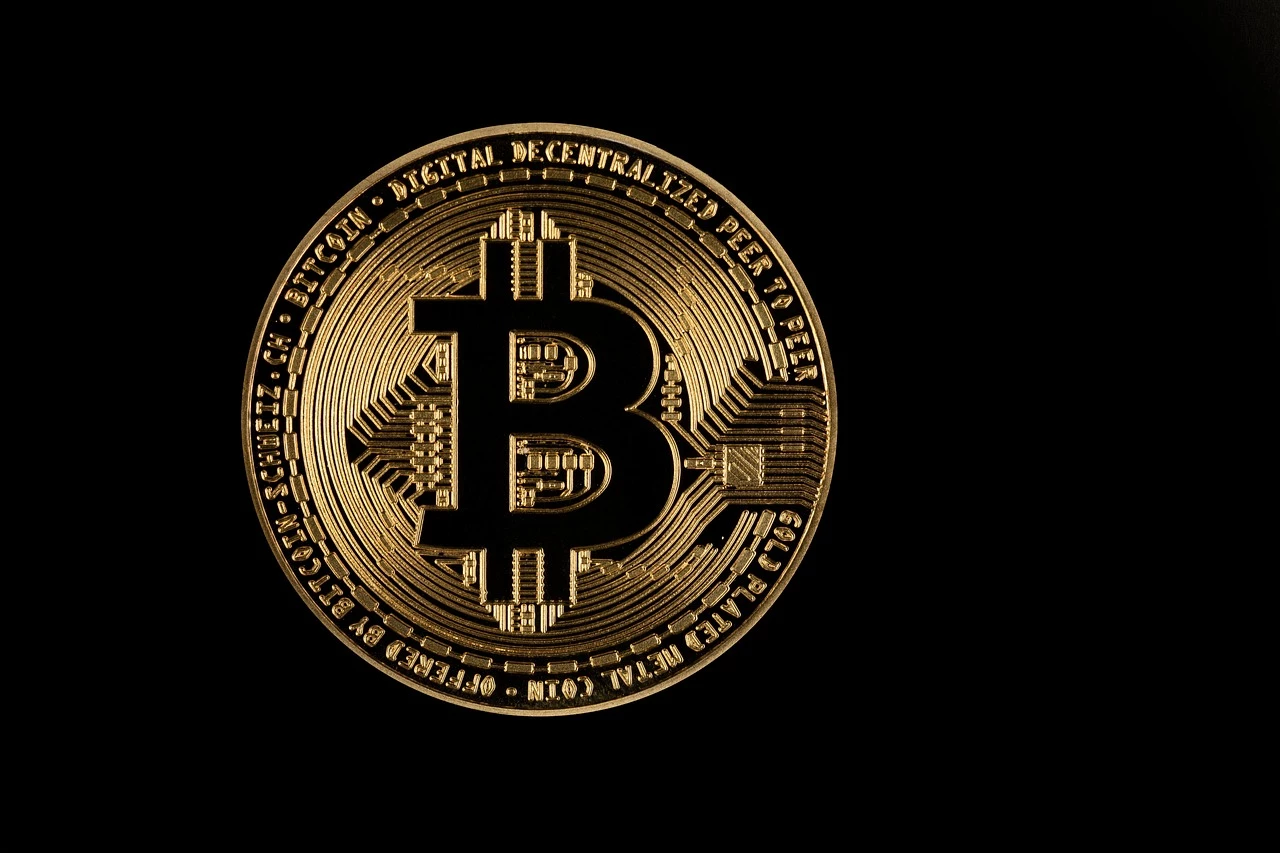
The Rise of Decentralized Finance: Opportunities and Challenges
This article covers KULA and related crypto trends with practical context. Decentralized Finance, or DeFi, represents a groundbreaking shift in the financial landscape, leveraging blockchain technology to disrupt traditional financial systems. As investors increasingly seek alternatives to conventional banking, DeFi platforms have emerged, providing various services such as lending, borrowing, and trading without intermediaries. This movement not only democratizes finance but also raises questions about security, regulation, and sustainability.
This guide gives you a concise, actionable overview of the topic and why it matters now.
What is Decentralized Finance (DeFi)?
Understanding DeFi
DeFi refers to a system of financial applications built on blockchain technology, primarily Ethereum. Unlike traditional finance, which relies on centralized institutions like banks and brokerages, DeFi operates on a decentralized network. This allows users to engage in financial transactions directly with one another, removing the need for intermediaries. Popular DeFi applications include decentralized exchanges (DEXs), lending platforms, and yield farming protocols.
Key Components of DeFi
The core components of DeFi include smart contracts, liquidity pools, and decentralized applications (dApps). Smart contracts are self-executing contracts with the terms of the agreement directly written into code, enabling trustless transactions. Liquidity pools are collections of funds locked in a smart contract, facilitating trading and lending. dApps provide the interface for users to interact with DeFi protocols, often featuring user-friendly designs to enhance accessibility.
Opportunities in the DeFi Space
Financial Inclusion
One of the most significant advantages of DeFi is its potential to enhance financial inclusion. By removing barriers such as geographic location and credit history, DeFi platforms enable individuals from underserved regions to access financial services. This opens up opportunities for millions of unbanked people, allowing them to participate in the global economy.
Yield Farming and Staking
DeFi offers innovative ways for users to earn passive income through yield farming and staking. Yield farming involves lending or staking cryptocurrencies to earn returns, often in the form of additional tokens. Staking, on the other hand, requires users to lock their assets in a blockchain network to support operations like transaction validation, earning rewards in the process. These mechanisms can provide higher returns compared to traditional savings accounts, attracting investors looking for new opportunities.
Challenges Facing DeFi
Security Risks
Despite its advantages, DeFi is not without risks. Security vulnerabilities, such as smart contract bugs and hacks, pose significant threats to users' funds. High-profile incidents have highlighted the importance of conducting thorough audits and employing best practices in smart contract development. Users must also be cautious, as the irreversibility of blockchain transactions can result in permanent losses if proper precautions are not taken.
Regulatory Uncertainty
As DeFi continues to grow, so does the scrutiny from regulators worldwide. The lack of clear regulations creates uncertainty for developers and users alike. While some jurisdictions embrace innovation, others may impose restrictive measures that could stifle growth. Navigating the evolving regulatory landscape will be crucial for the sustainability of DeFi projects.
The Future of DeFi
Integration with Traditional Finance
The future of DeFi may lie in its integration with traditional financial systems. As established financial institutions recognize the potential of blockchain technology, collaborations may emerge, blending the efficiency of DeFi with the stability of traditional finance. This hybrid approach could lead to new financial products and services that cater to a broader audience.
Most outcomes in The Rise of Decentralized Finance: Opportunities and Challenges come from repeatable systems. Define assumptions, risks, invalidation points, and a recheck cadence. This habit beats narratives. Use KULA as a lens, but let decisions follow current data, not hype. Clarity in scope and metrics keeps teams aligned in The Rise of Decentralized Finance: Opportunities and Challenges. Write crisp definitions of done, instrument the path to green, and audit dependencies. Small, testable changes lower risk and speed up feedback. Builders who last in The Rise of Decentralized Finance: Opportunities and Challenges do unglamorous work. Document edge cases, measure latency, track fees and liquidity, and review error budgets. Discipline compounds faster than hot takes. Treat KULA as one variable in a wider model.
Builders who last in The Rise of Decentralized Finance: Opportunities and Challenges do unglamorous work. Document edge cases, measure latency, track fees and liquidity, and review error budgets. Discipline compounds faster than hot takes. Treat KULA as one variable in a wider model. Focus on liquidity, counterparty risk, and execution quality in The Rise of Decentralized Finance: Opportunities and Challenges. Prefer clear fee schedules and avoid hidden slippage. When uncertainty rises, reduce position size and extend review intervals. Most outcomes in The Rise of Decentralized Finance: Opportunities and Challenges come from repeatable systems. Define assumptions, risks, invalidation points, and a recheck cadence. This habit beats narratives. Use KULA as a lens, but let decisions follow current data, not hype.
Technological Advancements
Continuous advancements in blockchain technology will also shape the future of DeFi. Innovations such as layer-2 solutions and cross-chain interoperability aim to address scalability and user experience issues, making DeFi more accessible to a wider audience. As technology evolves, we can expect DeFi to become more robust and user-friendly.
Key Takeaways
- Use data, not headlines, to decide.
- Avoid leverage creep during volatility.
- Automate logs and alert on anomalies.
- Security checks precede any deployment.