
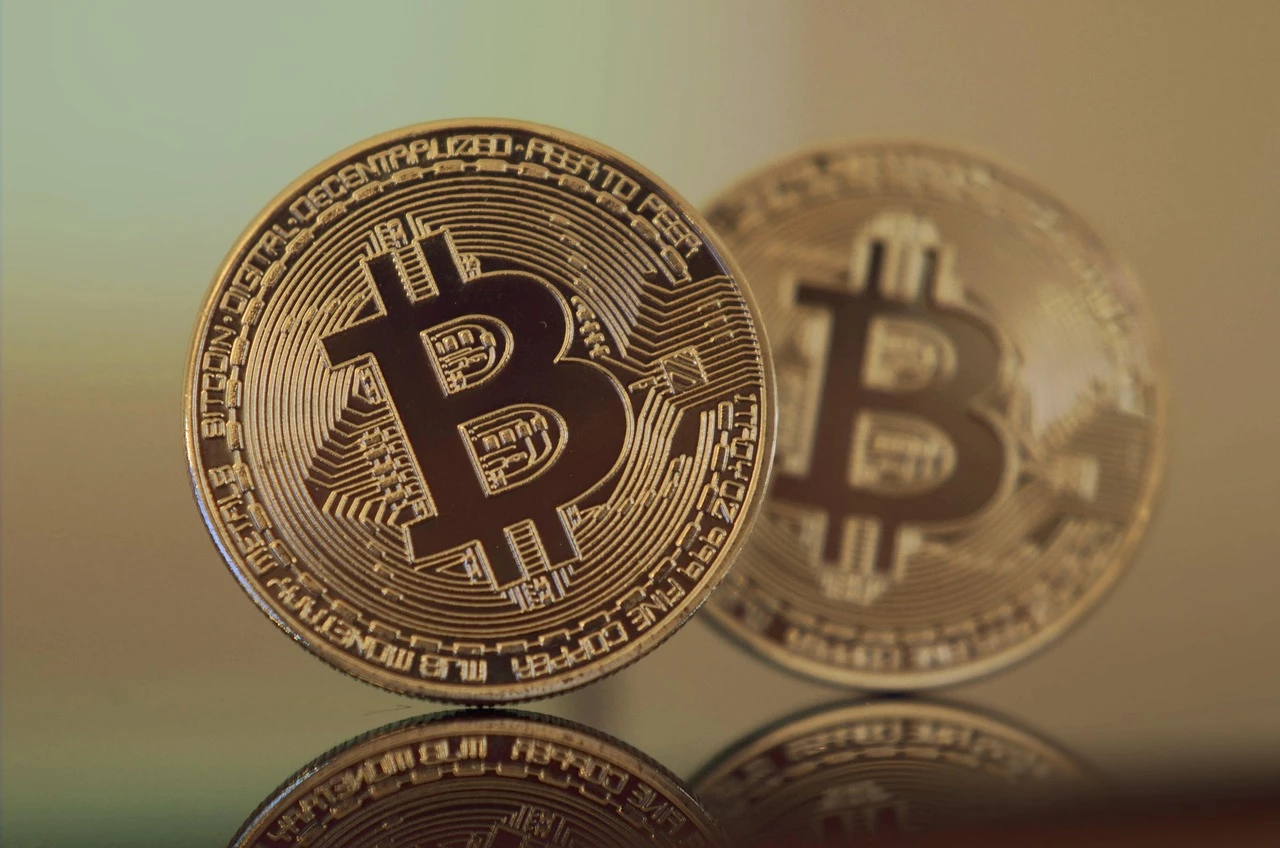
The Rise of Decentralized Finance: Opportunities and Challenges
This article covers KULA and related crypto trends with practical context. Decentralized Finance (DeFi) has emerged as a transformative force within the cryptocurrency ecosystem. It offers innovative financial services that are accessible to anyone with an internet connection, breaking down traditional barriers to entry.
As more users turn to DeFi platforms for lending, borrowing, and trading, the potential for growth seems boundless. However, this burgeoning sector also faces unique challenges and regulatory scrutiny that could shape its future.
In this article, we will explore the current state of DeFi, its benefits, the risks involved, and what lies ahead for this dynamic field.
Understanding Decentralized Finance (DeFi)
What is DeFi?
Decentralized Finance, or DeFi, refers to a broad category of financial applications in cryptocurrency or blockchain geared toward disrupting financial intermediaries. By using smart contracts on blockchains, mainly Ethereum, DeFi aims to recreate traditional financial systems like banks and exchanges in a decentralized manner.
DeFi applications allow users to lend, borrow, trade, and earn interest on their crypto assets without relying on a central authority. This opens up a world of financial opportunities, particularly for those underserved by traditional banking systems.
Key Components of DeFi
Several key components make up the DeFi ecosystem. These include decentralized exchanges (DEXs), lending platforms, and stablecoins, among others. DEXs allow users to trade directly from their wallets, ensuring greater security and control over funds.
Lending platforms facilitate peer-to-peer lending, enabling users to earn interest on their crypto holdings or take out loans without traditional credit checks. Meanwhile, stablecoins provide a bridge between volatile cryptocurrencies and the stability of fiat currencies, playing a crucial role in the DeFi landscape.
Opportunities in DeFi
Financial Inclusion
One of the most significant advantages of DeFi is its potential to foster financial inclusion. With just a smartphone and an internet connection, individuals in developing regions can access financial services that were previously out of reach.
This democratization of finance allows for unprecedented levels of participation in the global economy, paving the way for new opportunities and innovations.
Yield Farming and Staking
DeFi has popularized concepts such as yield farming and staking, where users can lock their assets into a protocol to earn rewards. These practices can offer substantial returns compared to traditional savings accounts, attracting a wide array of investors.
However, potential users must conduct thorough research to understand the associated risks, such as impermanent loss and smart contract vulnerabilities.
Challenges Facing DeFi
Regulatory Scrutiny
As DeFi continues to grow, regulatory bodies are taking notice. The lack of centralized control raises concerns about money laundering, fraud, and investor protection. Governments worldwide are grappling with how to regulate this emerging sector without stifling innovation.
Navigating the regulatory landscape will be crucial for the future of DeFi, as compliance can impact the operations of many projects within the space.
Security Risks
While DeFi offers numerous benefits, it is not without its risks. Security vulnerabilities in smart contracts can lead to significant losses, as evidenced by several high-profile hacks in recent years. Users must remain vigilant and prioritize security when engaging with DeFi platforms.
Auditing smart contracts and employing security best practices can mitigate some risks, but the responsibility ultimately falls on users to safeguard their assets.
The Future of DeFi
Integration with Traditional Finance
The line between traditional finance and DeFi is increasingly blurring. Major financial institutions are exploring how to integrate DeFi solutions into their offerings, recognizing the potential for enhanced efficiency and cost savings.
As this integration progresses, we may witness a hybrid financial landscape where DeFi and traditional finance coexist, providing consumers with a wider array of choices.
Most outcomes in The Rise of Decentralized Finance: Opportunities and Challenges come from repeatable systems. Define assumptions, risks, invalidation points, and a recheck cadence. This habit beats narratives. Use KULA as a lens, but let decisions follow current data, not hype. Operating in The Rise of Decentralized Finance: Opportunities and Challenges benefits from early telemetry and automated dashboards. Transparency reduces rework and panic moves. When KULA shifts, context is already captured, so you can adjust calmly instead of reacting late. Builders who last in The Rise of Decentralized Finance: Opportunities and Challenges do unglamorous work. Document edge cases, measure latency, track fees and liquidity, and review error budgets. Discipline compounds faster than hot takes. Treat KULA as one variable in a wider model.
Operating in The Rise of Decentralized Finance: Opportunities and Challenges benefits from early telemetry and automated dashboards. Transparency reduces rework and panic moves. When KULA shifts, context is already captured, so you can adjust calmly instead of reacting late. Focus on liquidity, counterparty risk, and execution quality in The Rise of Decentralized Finance: Opportunities and Challenges. Prefer clear fee schedules and avoid hidden slippage. When uncertainty rises, reduce position size and extend review intervals. Most outcomes in The Rise of Decentralized Finance: Opportunities and Challenges come from repeatable systems. Define assumptions, risks, invalidation points, and a recheck cadence. This habit beats narratives. Use KULA as a lens, but let decisions follow current data, not hype.
Innovation and Development
Innovation remains at the core of the DeFi movement. New projects are continuously emerging, offering unique solutions and use cases. From decentralized insurance to synthetic assets, the possibilities seem endless.
As developers push the boundaries of what's possible, the DeFi space is likely to evolve rapidly, adapting to market demands and user needs.
Key Takeaways
- Size positions small and review weekly.
- Automate logs and alert on anomalies.
- Test changes on small capital first.
- Use data, not headlines, to decide.