
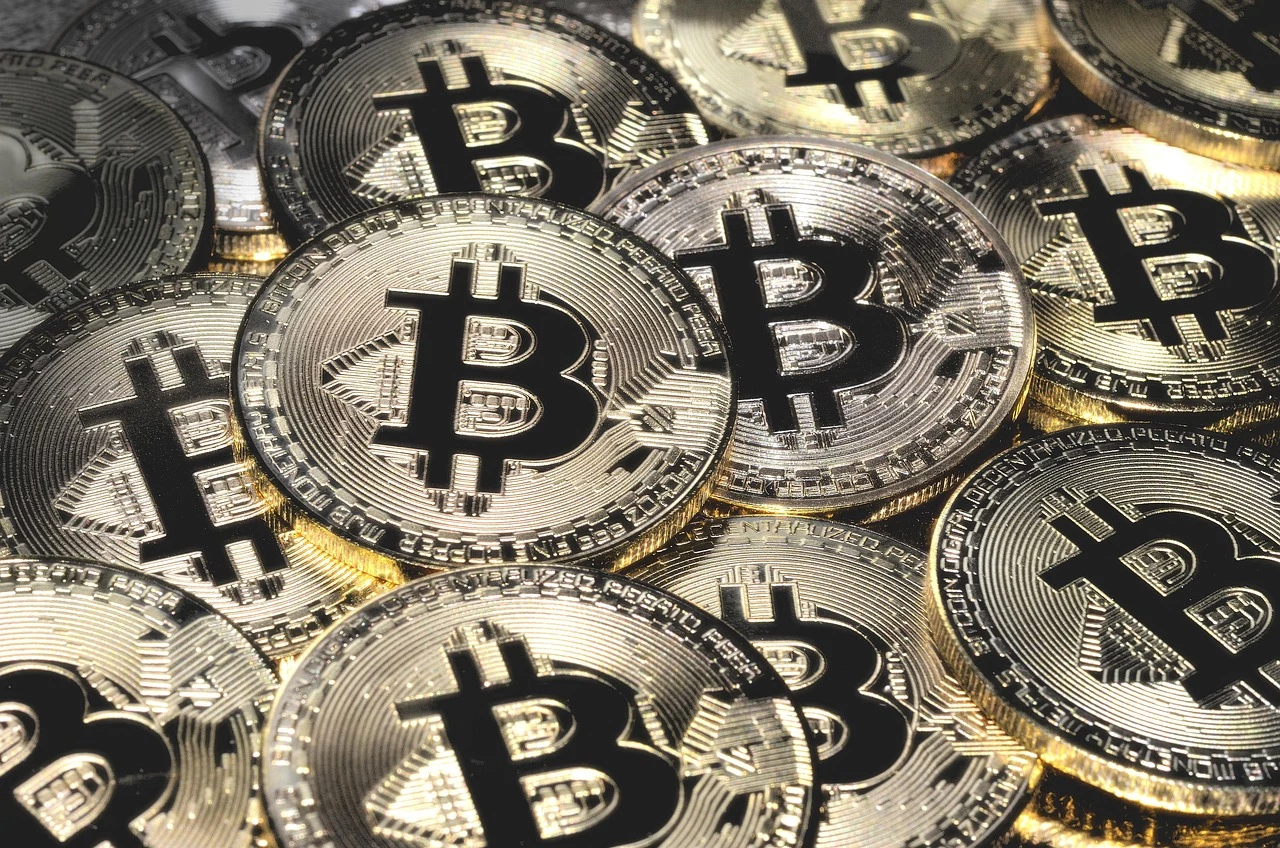
The Rise of Decentralized Finance: How DeFi is Reshaping the Financial Landscape
This article covers KULA and related crypto trends with practical context. Decentralized Finance, commonly referred to as DeFi, is a revolutionary movement within the cryptocurrency landscape that is redefining the way we think about finance. By leveraging blockchain technology, DeFi platforms eliminate the need for intermediaries, enabling users to engage in financial transactions directly. As traditional financial systems face increasing scrutiny and inefficiency, DeFi offers a compelling alternative that prioritizes accessibility, transparency, and innovation.
In this article, we will explore the key aspects of DeFi, its potential impact on global finance, and actionable insights for investors looking to navigate this dynamic sector.
What is Decentralized Finance (DeFi)?
Understanding DeFi Basics
DeFi encompasses a wide range of financial services that utilize blockchain technology. Unlike traditional finance, which relies on centralized institutions like banks and brokers, DeFi operates on decentralized networks, primarily Ethereum. This allows users to lend, borrow, trade, and earn interest on their digital assets without intermediaries.
At its core, DeFi aims to create an open financial system where anyone with internet access can participate. This democratization of finance has led to an explosion of innovative platforms and protocols, each offering unique services and functionalities.
Key Components of DeFi
Several key components make up the DeFi ecosystem, including:
1. **Decentralized Exchanges (DEXs)**: Platforms that allow users to trade cryptocurrencies directly with one another, eliminating the need for a centralized authority.
2. **Lending Protocols**: Services that enable users to lend their assets to others in exchange for interest, often over-collateralized to mitigate risk.
3. **Stablecoins**: Cryptocurrencies pegged to fiat currencies that provide stability in a highly volatile market.
4. **Yield Farming and Liquidity Mining**: Strategies where users provide liquidity to DeFi protocols in exchange for rewards, often leading to high returns.
The Advantages of DeFi
Accessibility and Inclusion
One of the most significant advantages of DeFi is its accessibility. Anyone with an internet connection can access DeFi services, making it possible for unbanked populations to participate in the financial system. This inclusivity empowers individuals and fosters economic growth in underserved communities.
Additionally, DeFi platforms often have lower fees compared to traditional financial services, making them more appealing for everyday users.
Transparency and Security
Blockchain technology ensures that all transactions on DeFi platforms are transparent and publicly verifiable. This level of transparency builds trust among users and reduces the likelihood of fraud and manipulation.
Moreover, DeFi platforms utilize smart contracts to automate transactions, which minimizes human error and enhances security. However, it's essential to note that while the technology is secure, vulnerabilities can still exist, highlighting the importance of due diligence.
Challenges Facing DeFi
Regulatory Uncertainty
As DeFi continues to grow, regulatory scrutiny is increasing. Governments around the world are grappling with how to regulate these decentralized platforms without stifling innovation. Uncertainty in regulations can create a challenging environment for both users and developers, potentially hindering the adoption of DeFi solutions.
It's crucial for participants in the DeFi space to stay informed about regulatory developments that could impact their activities.
Smart Contract Risks
While smart contracts enhance security, they are not infallible. Bugs or vulnerabilities in smart contracts can lead to significant financial losses. Users must understand the risks associated with using DeFi protocols and consider conducting thorough research before participating.
Future of DeFi
Innovations on the Horizon
The DeFi landscape is continually evolving, with new projects and innovations emerging regularly. Future advancements may include improved interoperability between different blockchain networks, allowing users to seamlessly transfer assets across platforms.
Additionally, the integration of artificial intelligence and machine learning could enhance decision-making processes within DeFi protocols, making them more efficient and user-friendly.
Most outcomes in The Rise of Decentralized Finance: How DeFi is Reshaping the Financial Landscape come from repeatable systems. Define assumptions, risks, invalidation points, and a recheck cadence. This habit beats narratives. Use KULA as a lens, but let decisions follow current data, not hype. Clarity in scope and metrics keeps teams aligned in The Rise of Decentralized Finance: How DeFi is Reshaping the Financial Landscape. Write crisp definitions of done, instrument the path to green, and audit dependencies. Small, testable changes lower risk and speed up feedback. Focus on liquidity, counterparty risk, and execution quality in The Rise of Decentralized Finance: How DeFi is Reshaping the Financial Landscape. Prefer clear fee schedules and avoid hidden slippage. When uncertainty rises, reduce position size and extend review intervals.
Operating in The Rise of Decentralized Finance: How DeFi is Reshaping the Financial Landscape benefits from early telemetry and automated dashboards. Transparency reduces rework and panic moves. When KULA shifts, context is already captured, so you can adjust calmly instead of reacting late. Clarity in scope and metrics keeps teams aligned in The Rise of Decentralized Finance: How DeFi is Reshaping the Financial Landscape. Write crisp definitions of done, instrument the path to green, and audit dependencies. Small, testable changes lower risk and speed up feedback. Most outcomes in The Rise of Decentralized Finance: How DeFi is Reshaping the Financial Landscape come from repeatable systems. Define assumptions, risks, invalidation points, and a recheck cadence. This habit beats narratives. Use KULA as a lens, but let decisions follow current data, not hype.
Potential for Traditional Finance Integration
As DeFi matures, there is potential for integration with traditional financial systems. Hybrid models that combine elements of both DeFi and traditional finance could emerge, offering the best of both worlds. This could lead to increased adoption of DeFi solutions by mainstream financial institutions, further legitimizing the space.
Key Takeaways
- Avoid leverage creep during volatility.
- Size positions small and review weekly.
- Document assumptions and invalidation.
- Automate logs and alert on anomalies.