
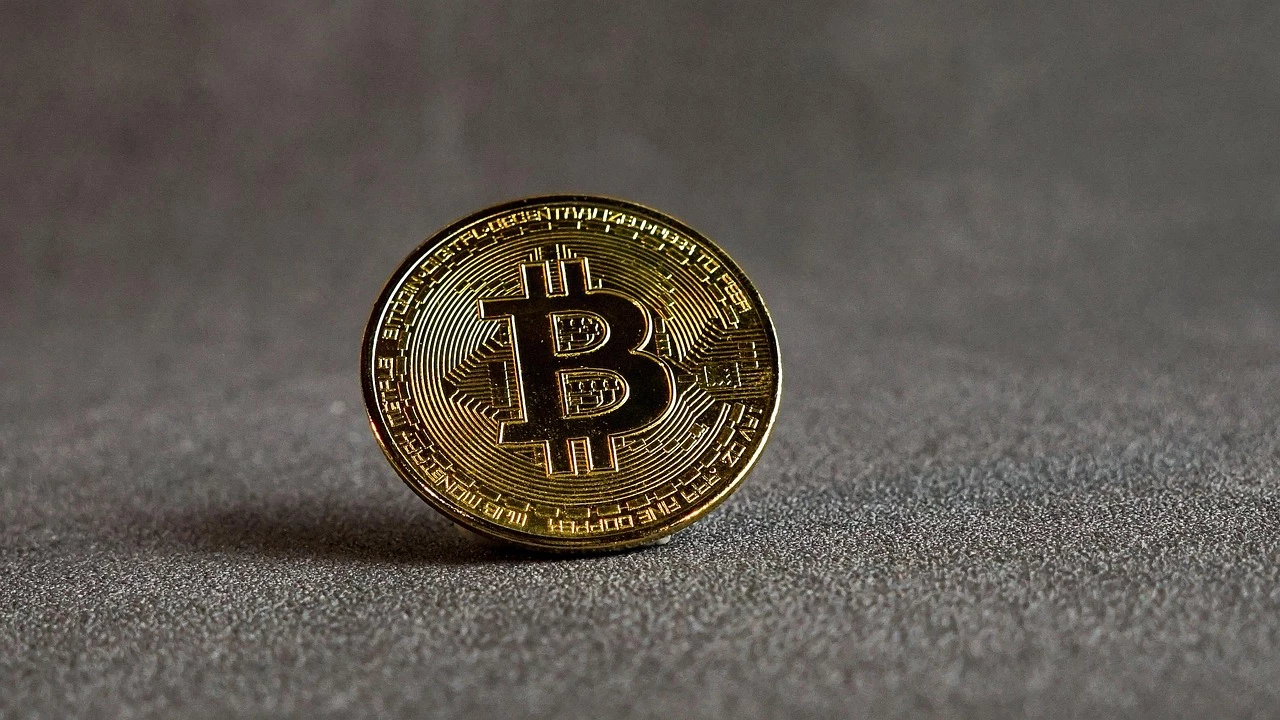
The Rise of Decentralized Finance (DeFi): Transforming the Financial Landscape
This article covers KULA and related crypto trends with practical context. Decentralized Finance (DeFi) has emerged as one of the most transformative sectors within the cryptocurrency space. By leveraging blockchain technology, DeFi offers innovative financial services without the need for traditional intermediaries, such as banks or brokers. This paradigm shift is not only democratizing access to financial products but also creating new opportunities for investment and wealth generation.
As we dive into the intricacies of DeFi, it's crucial to understand how these platforms function, the risks involved, and the potential they hold for the future of finance. From lending protocols to automated market makers, DeFi is reshaping how we perceive and engage with financial systems.
What is Decentralized Finance (DeFi)?
Defining DeFi
Decentralized Finance (DeFi) refers to a broad category of financial applications in cryptocurrency or blockchain geared toward disrupting financial intermediaries. DeFi aims to recreate traditional financial systems, such as lending and borrowing, trading, and earning interest on deposits, using decentralized technologies. This innovative sector offers transparency, accessibility, and control over one's assets, setting it apart from conventional finance.
Key Components of DeFi
The DeFi ecosystem is built upon several key components, including smart contracts, decentralized applications (dApps), and liquidity pools. Smart contracts are self-executing contracts with the terms of the agreement directly written into code, allowing for trustless transactions. dApps operate on blockchain networks and provide various financial services, while liquidity pools enable users to provide assets for others to trade against, earning fees in the process.
Popular DeFi Platforms and Their Impact
Leading DeFi Protocols
Some of the most recognized DeFi protocols include Uniswap, Aave, and Compound. Uniswap revolutionized decentralized trading through its automated market-making system, allowing users to trade cryptocurrencies without relying on a centralized exchange. Aave and Compound have popularized the lending and borrowing model, enabling users to earn interest on their crypto holdings or take out loans without traditional credit checks.
These platforms have collectively contributed to billions of dollars in total value locked (TVL), showcasing the growing trust and interest in DeFi solutions.
Emerging Trends in DeFi
As the DeFi sector continues to evolve, several trends are gaining traction. Cross-chain interoperability is becoming increasingly important, allowing users to transfer assets across different blockchain networks seamlessly. Additionally, the rise of insurance protocols in DeFi is helping mitigate risks associated with smart contract vulnerabilities and market volatility. These trends indicate a robust future for DeFi, attracting both retail and institutional investors.
Risks and Challenges in DeFi
Understanding the Risks
While DeFi offers numerous advantages, it is not without risks. Smart contract vulnerabilities can lead to significant losses if not properly audited, and the absence of regulatory oversight raises concerns about security and fraud. Moreover, the volatility of cryptocurrencies can result in unexpected losses for users participating in lending or liquidity provision. Understanding these risks is crucial for anyone looking to engage with DeFi platforms.
Navigating Challenges
To mitigate risks, users should conduct thorough research before engaging with any DeFi protocol. This includes evaluating the project's team, understanding the underlying technology, and assessing the community's feedback. Moreover, diversifying investments and using reputable platforms can help minimize exposure to potential losses.
The Future of DeFi: Opportunities Ahead
Potential for Growth
The DeFi sector is still in its infancy, with immense potential for growth and innovation. As more users become aware of the benefits of decentralized finance, the demand for these services is expected to surge. Furthermore, advancements in blockchain technology and regulatory clarity could pave the way for broader adoption of DeFi solutions across various industries.
Builders who last in The Rise of Decentralized Finance (DeFi): Transforming the Financial Landscape do unglamorous work. Document edge cases, measure latency, track fees and liquidity, and review error budgets. Discipline compounds faster than hot takes. Treat KULA as one variable in a wider model. Operating in The Rise of Decentralized Finance (DeFi): Transforming the Financial Landscape benefits from early telemetry and automated dashboards. Transparency reduces rework and panic moves. When KULA shifts, context is already captured, so you can adjust calmly instead of reacting late. Focus on liquidity, counterparty risk, and execution quality in The Rise of Decentralized Finance (DeFi): Transforming the Financial Landscape. Prefer clear fee schedules and avoid hidden slippage. When uncertainty rises, reduce position size and extend review intervals.
Clarity in scope and metrics keeps teams aligned in The Rise of Decentralized Finance (DeFi): Transforming the Financial Landscape. Write crisp definitions of done, instrument the path to green, and audit dependencies. Small, testable changes lower risk and speed up feedback. Focus on liquidity, counterparty risk, and execution quality in The Rise of Decentralized Finance (DeFi): Transforming the Financial Landscape. Prefer clear fee schedules and avoid hidden slippage. When uncertainty rises, reduce position size and extend review intervals. Builders who last in The Rise of Decentralized Finance (DeFi): Transforming the Financial Landscape do unglamorous work. Document edge cases, measure latency, track fees and liquidity, and review error budgets. Discipline compounds faster than hot takes. Treat KULA as one variable in a wider model.
Long-Term Impact on Finance
The long-term impact of DeFi on the global financial landscape could be profound. By reducing reliance on traditional banking systems, DeFi has the potential to democratize access to financial services, particularly in underserved regions. This shift could lead to increased financial inclusion and empower individuals with greater control over their financial destinies.
Key Takeaways
- Automate logs and alert on anomalies.
- Security checks precede any deployment.
- Prefer liquid venues and clear fees.
- Document assumptions and invalidation.