
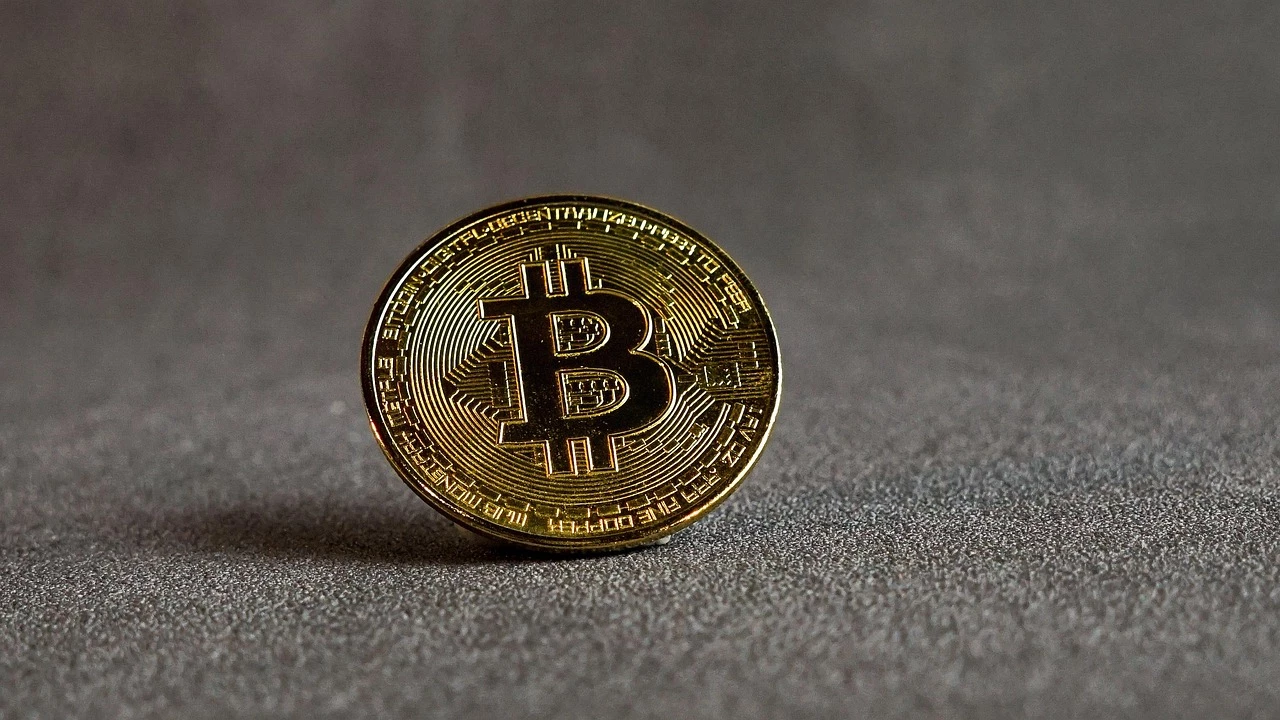
The Rise of Decentralized Finance: A New Era in Cryptocurrency
This article covers KULA and related crypto trends with practical context. Decentralized Finance (DeFi) is revolutionizing the way we think about finance, providing innovative solutions that challenge traditional banking systems. As cryptocurrency continues to gain traction, DeFi projects are leading the charge, enabling users to lend, borrow, and trade without intermediaries. With the total value locked in DeFi protocols soaring, understanding this space is crucial for anyone involved in the crypto ecosystem.
This guide gives you a concise, actionable overview of the topic and why it matters now.
What is Decentralized Finance?
Defining DeFi
Decentralized Finance refers to a broad category of financial applications in cryptocurrency or blockchain geared toward disrupting financial intermediaries. Unlike traditional finance that relies on banks and brokers, DeFi platforms utilize smart contracts on blockchains, primarily Ethereum, to facilitate transactions.
This shift allows for greater transparency, security, and accessibility. Users can interact directly with each other, bypassing traditional gatekeepers.
Key Features of DeFi
DeFi is characterized by several key features:
1. **Permissionless:** Anyone with an internet connection can access DeFi applications without the need for approval from a centralized authority.
2. **Open-source:** Most DeFi projects are built on open-source protocols, allowing developers to contribute and innovate freely.
3. **Interoperability:** Many DeFi platforms can work together seamlessly, enhancing user experience and expanding capabilities.
The Growth of DeFi: Market Trends
Current Market Landscape
As of 2023, the DeFi market has experienced exponential growth, with the total value locked in various protocols reaching unprecedented levels. This surge reflects increasing investor confidence and the potential for high yields that DeFi offers compared to traditional savings accounts.
Major DeFi platforms like Uniswap, Aave, and Compound have paved the way for this growth, providing users with innovative financial products.
Investment Opportunities
Investors are increasingly looking to DeFi as a viable alternative to traditional investment vehicles. Yield farming, liquidity mining, and staking are just a few ways users can earn returns on their crypto assets.
However, potential investors should conduct thorough research and be aware of the risks involved, including smart contract vulnerabilities and market volatility.
Challenges Facing DeFi
Regulatory Scrutiny
One of the significant challenges facing DeFi is regulatory scrutiny. As governments worldwide begin to recognize the implications of decentralized finance, there is growing pressure to create frameworks that govern these technologies without stifling innovation.
Balancing regulation and innovation will be crucial for the sustainable growth of the DeFi ecosystem.
Security Risks
Despite the advantages of DeFi, security risks remain a significant concern. Hacks and exploits have plagued some high-profile DeFi projects, leading to substantial losses for users.
To mitigate these risks, users must prioritize security measures such as using reputable platforms and employing hardware wallets for asset storage.
The Future of DeFi
Innovations on the Horizon
Emerging technologies like layer 2 scaling solutions, cross-chain compatibility, and improved user interfaces will likely shape the future of DeFi. These innovations will enhance scalability, reduce transaction costs, and improve user experiences, making DeFi even more appealing to mainstream audiences.
Most outcomes in The Rise of Decentralized Finance: A New Era in Cryptocurrency come from repeatable systems. Define assumptions, risks, invalidation points, and a recheck cadence. This habit beats narratives. Use KULA as a lens, but let decisions follow current data, not hype. Focus on liquidity, counterparty risk, and execution quality in The Rise of Decentralized Finance: A New Era in Cryptocurrency. Prefer clear fee schedules and avoid hidden slippage. When uncertainty rises, reduce position size and extend review intervals. Clarity in scope and metrics keeps teams aligned in The Rise of Decentralized Finance: A New Era in Cryptocurrency. Write crisp definitions of done, instrument the path to green, and audit dependencies. Small, testable changes lower risk and speed up feedback. Builders who last in The Rise of Decentralized Finance: A New Era in Cryptocurrency do unglamorous work. Document edge cases, measure latency, track fees and liquidity, and review error budgets. Discipline compounds faster than hot takes. Treat KULA as one variable in a wider model. Operating in The Rise of Decentralized Finance: A New Era in Cryptocurrency benefits from early telemetry and automated dashboards. Transparency reduces rework and panic moves. When KULA shifts, context is already captured, so you can adjust calmly instead of reacting late.
Builders who last in The Rise of Decentralized Finance: A New Era in Cryptocurrency do unglamorous work. Document edge cases, measure latency, track fees and liquidity, and review error budgets. Discipline compounds faster than hot takes. Treat KULA as one variable in a wider model. Most outcomes in The Rise of Decentralized Finance: A New Era in Cryptocurrency come from repeatable systems. Define assumptions, risks, invalidation points, and a recheck cadence. This habit beats narratives. Use KULA as a lens, but let decisions follow current data, not hype. Clarity in scope and metrics keeps teams aligned in The Rise of Decentralized Finance: A New Era in Cryptocurrency. Write crisp definitions of done, instrument the path to green, and audit dependencies. Small, testable changes lower risk and speed up feedback.
Key Takeaways
- Decentralized Finance (DeFi) is revolutionizing the financial landscape by removing intermediaries.
- Key features of DeFi include permissionless access, open-source protocols, and interoperability.
- The DeFi market has seen explosive growth, with significant total value locked in protocols.
- Investment opportunities in DeFi include yield farming, liquidity mining, and staking.
- Security risks and regulatory scrutiny present challenges that must be addressed for sustainable growth.
- The future of DeFi may involve integration with traditional finance and ongoing innovations.
Stay updated on the latest trends in DeFi by subscribing to our newsletter!