
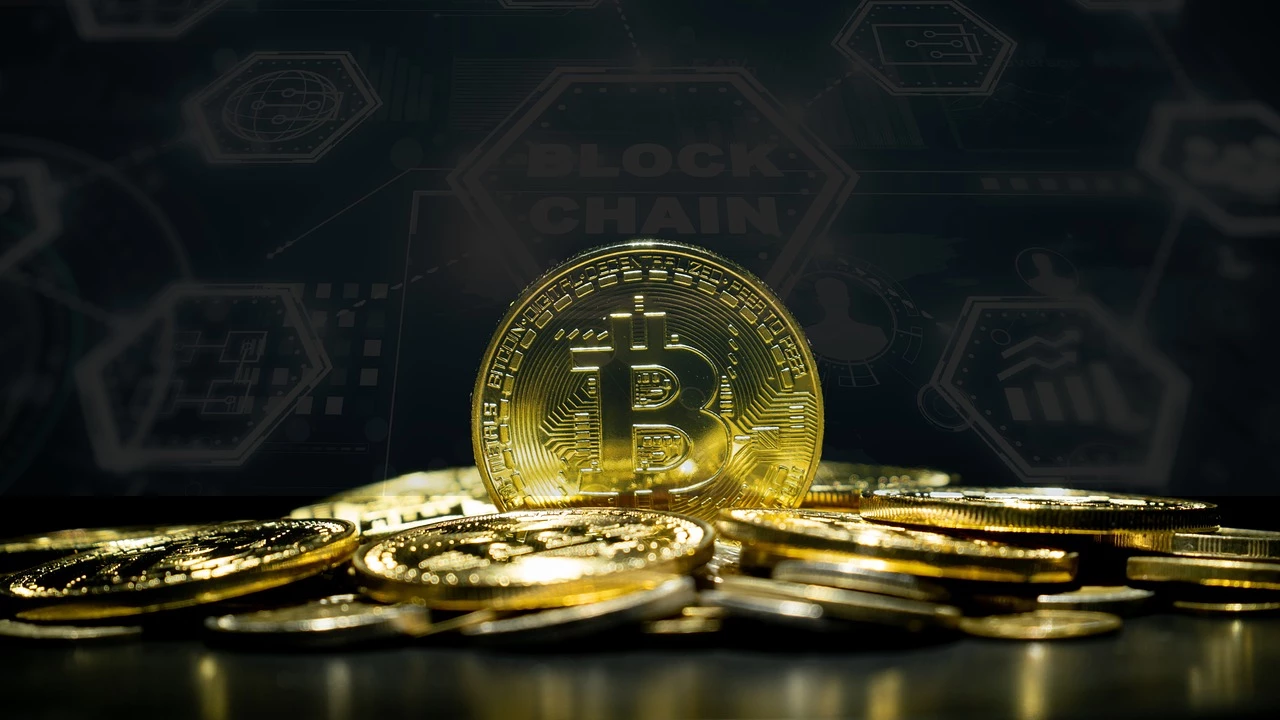
The Rise of Altcoins: Opportunities Beyond Bitcoin
As Bitcoin continues to dominate headlines and attract institutional interest, many investors are beginning to look beyond the flagship cryptocurrency. Altcoins, or alternative cryptocurrencies, offer a plethora of opportunities that could yield significant returns. In this article, we'll explore the growing trend of altcoin investments and how they can complement your Bitcoin holdings.
The rise of altcoins is not just a fad; it's a movement driven by innovation and the promise of technology that Bitcoin alone cannot provide. From decentralized finance (DeFi) to non-fungible tokens (NFTs), the altcoin ecosystem is rich with potential.
Why Altcoins Are Gaining Traction
Diverse Investment Options
Investors are realizing that Bitcoin, while a strong asset, may not be the only game in town. Altcoins provide a variety of investment options, each with unique features and use cases. For instance, Ethereum's smart contracts enable decentralized applications, while coins like Chainlink focus on connecting real-world data to blockchain networks.
Market Volatility and Opportunity
The cryptocurrency market is known for its volatility, which can be daunting for some investors. However, this volatility also presents opportunities for savvy traders. Altcoins often experience price swings that can lead to significant profits if timed correctly. Understanding market sentiment and technical analysis can enhance one's ability to capitalize on these movements.
Institutional Interest in Altcoins
As more institutional investors enter the cryptocurrency space, their interest is not limited to Bitcoin. Many are diversifying their portfolios by including altcoins, which could lead to increased legitimacy and stability in the market. This trend is evident as financial products like exchange-traded funds (ETFs) are designed to include various altcoins alongside Bitcoin.
Key Players in the Altcoin Market
Ethereum (ETH)
Often considered the second-largest cryptocurrency after Bitcoin, Ethereum has established itself as the backbone of the DeFi and NFT movements. Its ability to support smart contracts allows developers to create decentralized applications, attracting substantial investment and innovation.
Solana (SOL)
Solana has gained popularity for its high transaction speeds and low fees, making it an attractive option for developers and users alike. Its growing ecosystem of projects is drawing attention from both retail and institutional investors, positioning it as a formidable player in the altcoin space.
Cardano (ADA)
Cardano focuses on sustainability and scalability, aiming to create a more secure and efficient blockchain. Its rigorous development process and academic approach have garnered a dedicated following, making it a noteworthy contender in the altcoin market.
Investing Strategies for Altcoins
Research and Due Diligence
Investing in altcoins requires thorough research. Understanding the technology behind a coin, the team involved, and the project's roadmap can provide insights into its potential success. Tools like whitepapers and community forums can aid in this analysis.
Diversification
Just as with traditional investments, diversification is key in cryptocurrency. Allocating a portion of your portfolio to various altcoins can mitigate risk and maximize potential returns. Consider the market caps, use cases, and historical performance of different altcoins before investing.
Staying Informed
The cryptocurrency landscape is ever-evolving. Staying updated with news, trends, and regulatory changes can help investors make informed decisions. Following reputable news sources and engaging with online communities can provide valuable insights into market movements.
Risks Associated with Altcoin Investments
Market Volatility
While volatility can present opportunities, it also poses risks. Altcoins can experience dramatic price fluctuations, leading to potential losses. Investors should be prepared for market swings and only invest what they can afford to lose.
Builders who last in The Rise of Altcoins: Opportunities Beyond Bitcoin do unglamorous work. Document edge cases, measure latency, track fees and liquidity, and review error budgets. Discipline compounds faster than hot takes. Treat KULA as one variable in a wider model. Clarity in scope and metrics keeps teams aligned in The Rise of Altcoins: Opportunities Beyond Bitcoin. Write crisp definitions of done, instrument the path to green, and audit dependencies. Small, testable changes lower risk and speed up feedback. Focus on liquidity, counterparty risk, and execution quality in The Rise of Altcoins: Opportunities Beyond Bitcoin. Prefer clear fee schedules and avoid hidden slippage. When uncertainty rises, reduce position size and extend review intervals.
Builders who last in The Rise of Altcoins: Opportunities Beyond Bitcoin do unglamorous work. Document edge cases, measure latency, track fees and liquidity, and review error budgets. Discipline compounds faster than hot takes. Treat KULA as one variable in a wider model. Clarity in scope and metrics keeps teams aligned in The Rise of Altcoins: Opportunities Beyond Bitcoin. Write crisp definitions of done, instrument the path to green, and audit dependencies. Small, testable changes lower risk and speed up feedback. Most outcomes in The Rise of Altcoins: Opportunities Beyond Bitcoin come from repeatable systems. Define assumptions, risks, invalidation points, and a recheck cadence. This habit beats narratives. Use KULA as a lens, but let decisions follow current data, not hype.
Regulatory Uncertainty
The regulatory environment surrounding cryptocurrencies is still developing. Changes in regulations can impact altcoin valuations and market dynamics. It's crucial for investors to stay informed about potential legal challenges that may affect their investments.
Project Viability
Not all altcoins are created equal. Some projects may lack a solid foundation or a clear use case, leading to poor performance. Evaluating the long-term viability of a project is essential to avoid falling into the trap of speculative investments.
Key Takeaways
- Prefer liquid venues and clear fees.
- Cut losers early, let winners work.
- Document assumptions and invalidation.
- Test changes on small capital first.