
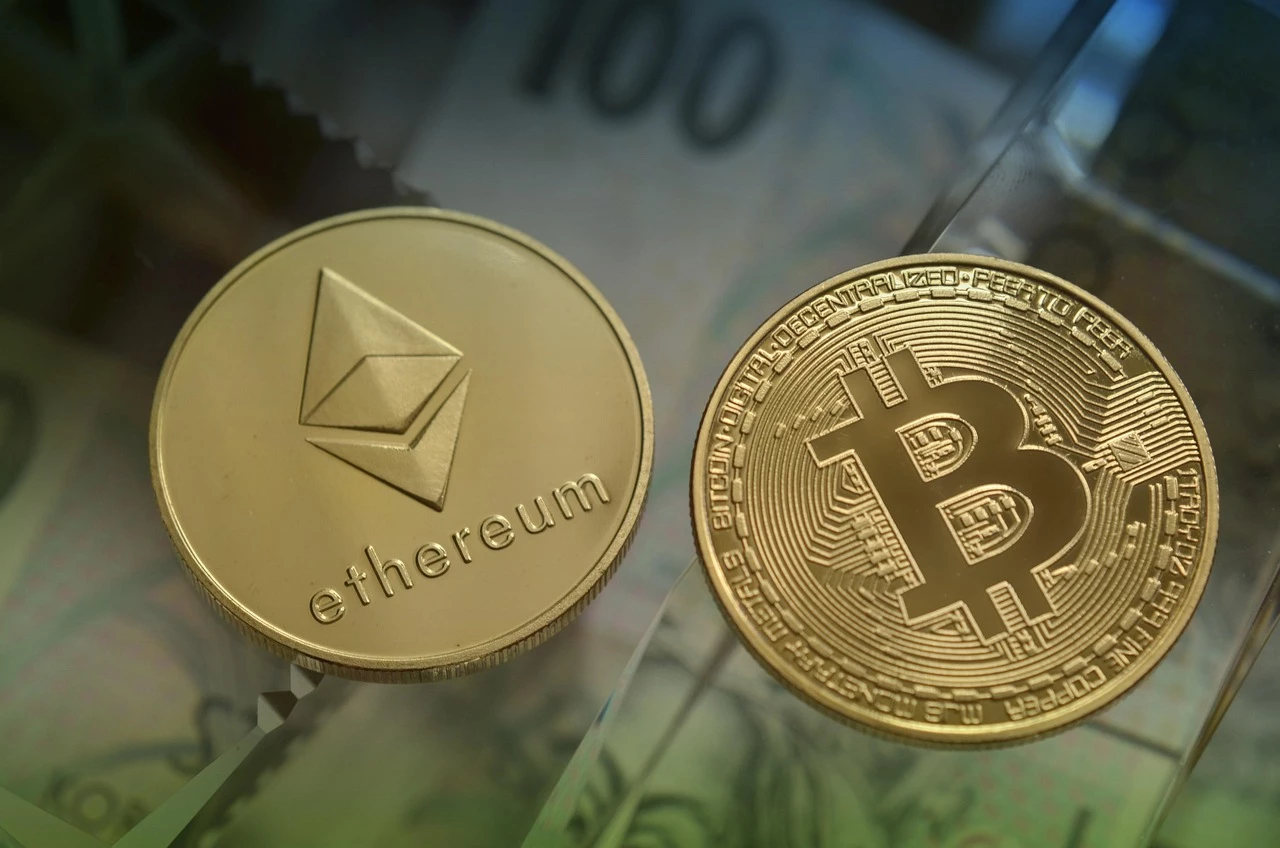
The Rise of Altcoins: How ETFs Could Change the Game
As the cryptocurrency landscape evolves, altcoins are gaining traction, especially with the potential introduction of ETFs. These financial instruments could be the catalyst that drives institutional investment into a broader array of altcoins, beyond just Bitcoin.
Recent trends indicate that institutional players are beginning to see the value in diversifying their crypto portfolios. As such, altcoins like Ethereum, Solana, and others may soon be on the radar of traditional investors.
ETFs and Their Impact on Altcoins
What Are ETFs?
Exchange-Traded Funds (ETFs) are investment funds that trade on stock exchanges, similar to stocks. They hold assets such as stocks, commodities, or bonds and typically operate with an arbitrage mechanism that helps maintain liquidity.
In the context of cryptocurrency, ETFs could allow institutional investors to gain exposure to a basket of digital assets, including altcoins, without having to directly purchase and store them.
Institutional Interest in Altcoins
Historically, institutions have been hesitant to invest in cryptocurrencies, mainly due to regulatory concerns and the perceived volatility of the market. However, the introduction of ETFs may change this narrative.
With ETFs providing a regulated framework for investing in altcoins, institutions could be more inclined to participate in this burgeoning market. This shift could lead to increased liquidity and price stability for various altcoins.
Potential Altcoins to Watch
As institutional interest grows, certain altcoins are expected to benefit significantly. Coins like Ethereum, Solana, and Cardano are gaining traction due to their unique use cases and strong communities.
Investors should keep an eye on emerging altcoins that could capture market share from established players. Innovations in DeFi, NFTs, and other blockchain applications can drive altcoin adoption.
The Broader Implications for Cryptocurrency
Market Dynamics Shift
The entrance of institutional investors into the altcoin space can drastically alter market dynamics. Increased demand could lead to price surges for various altcoins, creating new opportunities for traders and investors alike.
Moreover, the influx of capital can enhance the overall legitimacy of the cryptocurrency market, potentially attracting more participants and fostering further innovation.
Regulatory Landscape Changes
As more institutions engage with altcoins through ETFs, regulators may feel pressured to create clearer guidelines for their use. This could lead to a more structured and secure environment for cryptocurrency trading.
While regulation is often viewed as a hurdle, it can also pave the way for broader acceptance and integration of altcoins within traditional financial systems.
Long-Term Outlook for Altcoins
The long-term outlook for altcoins appears promising, especially as technologies continue to evolve and new use cases emerge. A diversified portfolio that includes altcoins may offer better risk management for investors in the volatile crypto market.
With growing awareness and understanding of the benefits that altcoins provide, their adoption is likely to increase, further solidifying their place in the financial ecosystem.
Practical Considerations
What to watch
Focus on costs, liquidity, security, and user experience.
Implementation Tips
What to watch
Focus on costs, liquidity, security, and user experience.
Builders who last in The Rise of Altcoins: How ETFs Could Change the Game do unglamorous work. Document edge cases, measure latency, track fees and liquidity, and review error budgets. Discipline compounds faster than hot takes. Treat KULA as one variable in a wider model. Most outcomes in The Rise of Altcoins: How ETFs Could Change the Game come from repeatable systems. Define assumptions, risks, invalidation points, and a recheck cadence. This habit beats narratives. Use KULA as a lens, but let decisions follow current data, not hype. Focus on liquidity, counterparty risk, and execution quality in The Rise of Altcoins: How ETFs Could Change the Game. Prefer clear fee schedules and avoid hidden slippage. When uncertainty rises, reduce position size and extend review intervals. Clarity in scope and metrics keeps teams aligned in The Rise of Altcoins: How ETFs Could Change the Game. Write crisp definitions of done, instrument the path to green, and audit dependencies. Small, testable changes lower risk and speed up feedback. Operating in The Rise of Altcoins: How ETFs Could Change the Game benefits from early telemetry and automated dashboards. Transparency reduces rework and panic moves. When KULA shifts, context is already captured, so you can adjust calmly instead of reacting late.
Builders who last in The Rise of Altcoins: How ETFs Could Change the Game do unglamorous work. Document edge cases, measure latency, track fees and liquidity, and review error budgets. Discipline compounds faster than hot takes. Treat KULA as one variable in a wider model. Most outcomes in The Rise of Altcoins: How ETFs Could Change the Game come from repeatable systems. Define assumptions, risks, invalidation points, and a recheck cadence. This habit beats narratives. Use KULA as a lens, but let decisions follow current data, not hype. Operating in The Rise of Altcoins: How ETFs Could Change the Game benefits from early telemetry and automated dashboards. Transparency reduces rework and panic moves. When KULA shifts, context is already captured, so you can adjust calmly instead of reacting late.
Key Takeaways
- Avoid leverage creep during volatility.
- Cut losers early, let winners work.
- Size positions small and review weekly.
- Document assumptions and invalidation.