
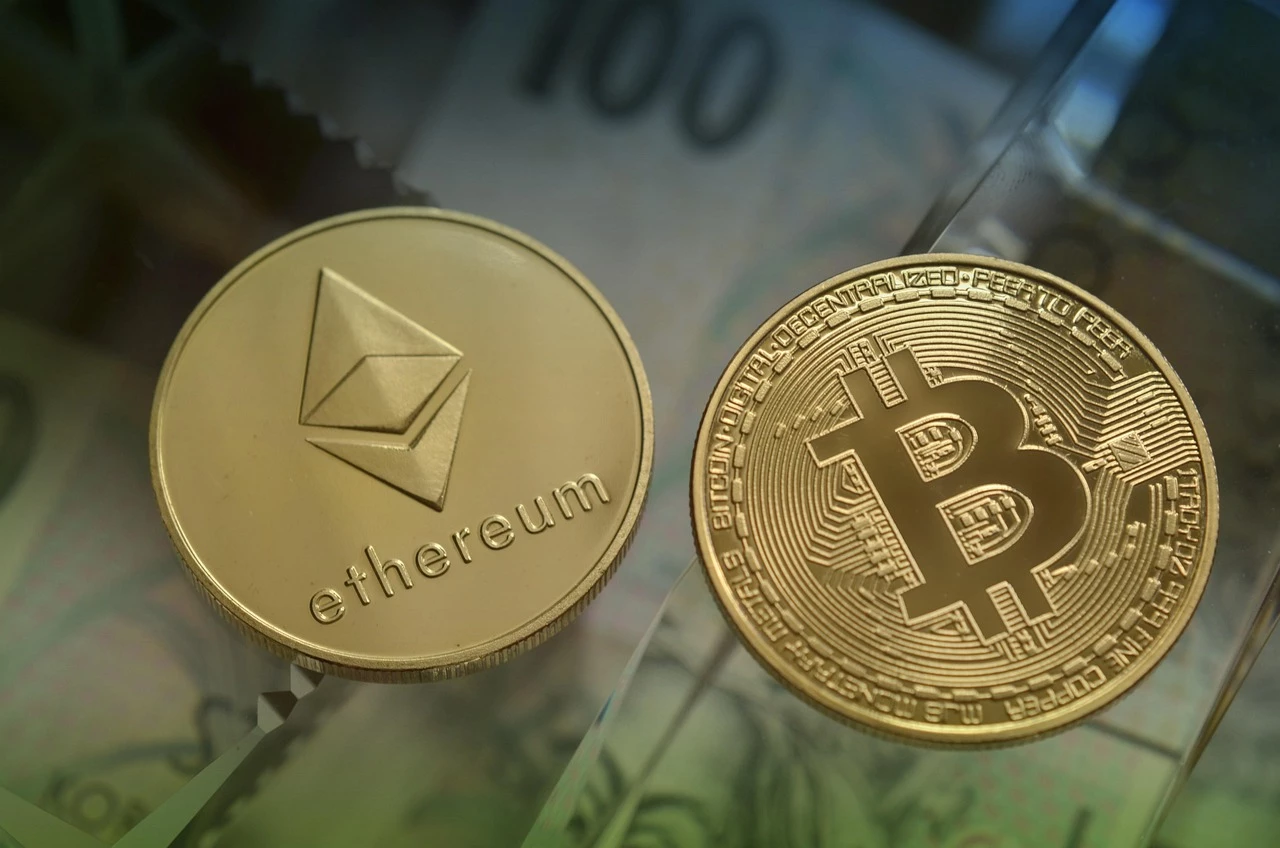
The Rise of Altcoins: How ETFs Are Shaping the Future of Digital Assets
The cryptocurrency landscape is evolving rapidly, with altcoins gaining significant traction. Exchange-Traded Funds (ETFs) are emerging as a pivotal force, potentially ushering institutional investors into the altcoin arena, similar to their impact on Bitcoin.
As traditional finance intertwines with the crypto world, the rise of altcoins presents new opportunities and challenges. Understanding these dynamics is essential for investors looking to navigate this complex market.
The ETF Effect: A Game Changer for Altcoins
What Are ETFs and Their Role in Crypto?
ETFs are investment funds that are traded on stock exchanges, similar to stocks. They hold assets like commodities, stocks, or bonds and generally operate on an arbitrage mechanism.
In the crypto space, ETFs offer a regulated way for investors to gain exposure to digital assets without directly owning them. This can reduce volatility and provide a safer entry point for institutional investors.
How ETFs Are Shifting Investor Focus to Altcoins
The introduction of crypto ETFs has sparked interest beyond Bitcoin, directing attention to various altcoins. As institutions invest in ETFs, they inadvertently promote the underlying altcoins.
This trend is crucial as it enables investors to diversify their portfolios and reduces reliance on Bitcoin alone.
Key Altcoins to Watch in 2023 and Beyond
Ethereum (ETH): Leading the Smart Contract Revolution
Ethereum remains a cornerstone of the altcoin market. Its smart contract capabilities have paved the way for DeFi and NFT projects, making it a must-watch asset.
With Ethereum 2.0 on the horizon, improvements in scalability and energy efficiency may further enhance its appeal.
Solana (SOL): Speed and Scalability
Solana has gained attention for its high throughput and low transaction costs. This makes it attractive for developers and users alike, positioning it as a strong contender in the altcoin space.
Investors are increasingly recognizing Solana as a viable alternative to Ethereum, especially for decentralized applications.
Cardano (ADA): A Research-Driven Approach
Cardano distinguishes itself through its scientific philosophy and rigorous development process. This focus on academic research may position it favorably in the long run.
As more features roll out, Cardano could see increased adoption, particularly in developing markets.
Institutional Interest in Altcoins: What It Means for Investors
The Growing Acceptance of Altcoins
Institutional investors are beginning to acknowledge altcoins as legitimate investments. This shift signifies a maturation of the cryptocurrency market and a broader acceptance of digital assets.
As major firms explore altcoin investments, they validate the potential of these assets, potentially driving up demand.
Risk Factors and Considerations
Despite the growing interest, altcoins can be volatile. Investors must conduct thorough research and consider market conditions before diving in.
Understanding the underlying technology and use cases of altcoins is crucial in assessing their potential for long-term growth.
The Future Landscape of Altcoins
Emerging Trends and Technologies
Technological advancements and innovations continue to emerge in the altcoin space, including new consensus mechanisms and interoperability solutions.
These developments can reshape the competitive landscape, making it essential for investors to stay informed about upcoming trends.
Focus on liquidity, counterparty risk, and execution quality in The Rise of Altcoins: How ETFs Are Shaping the Future of Digital Assets. Prefer clear fee schedules and avoid hidden slippage. When uncertainty rises, reduce position size and extend review intervals. Most outcomes in The Rise of Altcoins: How ETFs Are Shaping the Future of Digital Assets come from repeatable systems. Define assumptions, risks, invalidation points, and a recheck cadence. This habit beats narratives. Use KULA as a lens, but let decisions follow current data, not hype. Operating in The Rise of Altcoins: How ETFs Are Shaping the Future of Digital Assets benefits from early telemetry and automated dashboards. Transparency reduces rework and panic moves. When KULA shifts, context is already captured, so you can adjust calmly instead of reacting late. Builders who last in The Rise of Altcoins: How ETFs Are Shaping the Future of Digital Assets do unglamorous work. Document edge cases, measure latency, track fees and liquidity, and review error budgets. Discipline compounds faster than hot takes. Treat KULA as one variable in a wider model. Clarity in scope and metrics keeps teams aligned in The Rise of Altcoins: How ETFs Are Shaping the Future of Digital Assets. Write crisp definitions of done, instrument the path to green, and audit dependencies. Small, testable changes lower risk and speed up feedback.
Focus on liquidity, counterparty risk, and execution quality in The Rise of Altcoins: How ETFs Are Shaping the Future of Digital Assets. Prefer clear fee schedules and avoid hidden slippage. When uncertainty rises, reduce position size and extend review intervals. Clarity in scope and metrics keeps teams aligned in The Rise of Altcoins: How ETFs Are Shaping the Future of Digital Assets. Write crisp definitions of done, instrument the path to green, and audit dependencies. Small, testable changes lower risk and speed up feedback. Operating in The Rise of Altcoins: How ETFs Are Shaping the Future of Digital Assets benefits from early telemetry and automated dashboards. Transparency reduces rework and panic moves. When KULA shifts, context is already captured, so you can adjust calmly instead of reacting late.
The Role of Regulation in Shaping Altcoins
As governments worldwide establish regulatory frameworks for cryptocurrencies, the implications for altcoins will be significant. Regulatory clarity can enhance investor confidence and promote wider adoption.
Investors should monitor regulatory developments as they can impact the viability and legality of specific altcoins.
Key Takeaways
- Cut losers early, let winners work.
- Use data, not headlines, to decide.
- Test changes on small capital first.
- Prefer liquid venues and clear fees.