
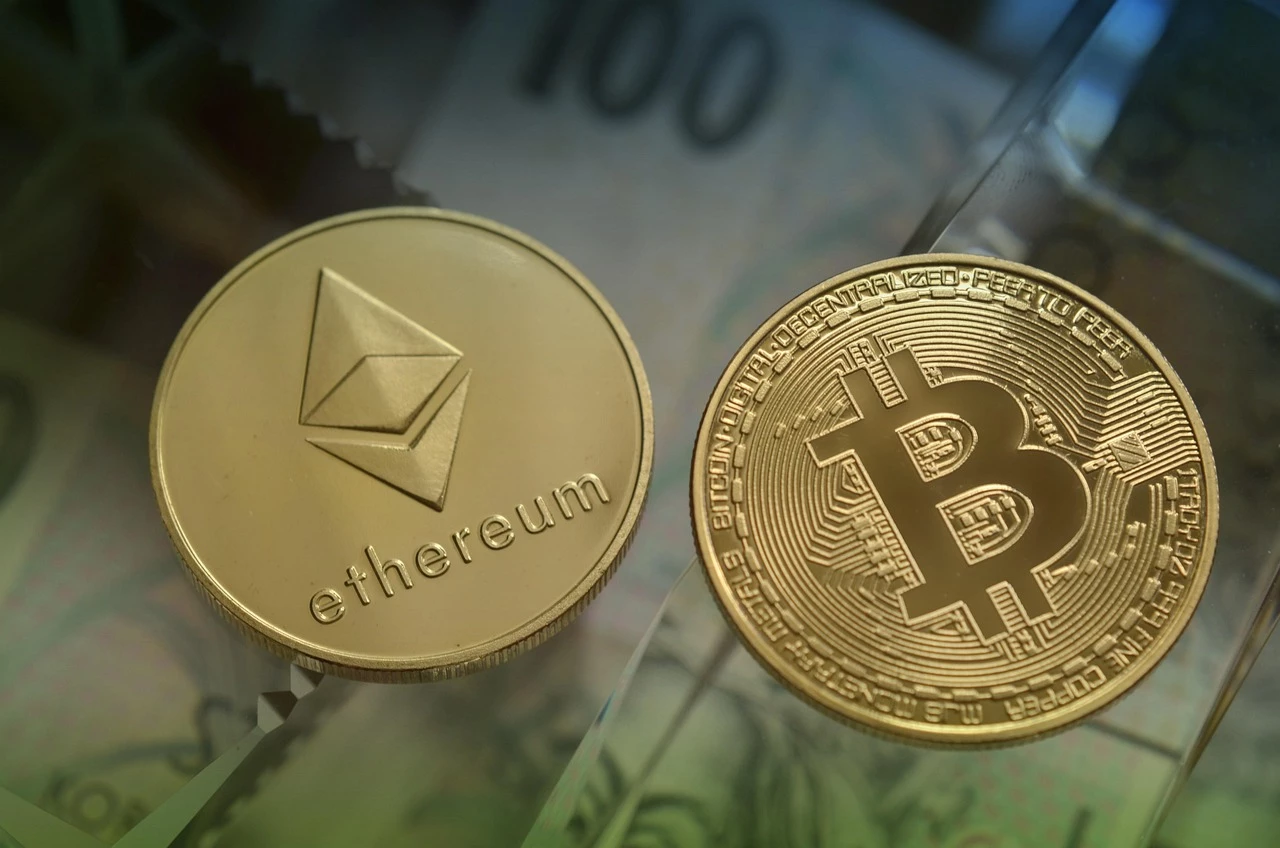
The Resurgence of Staking: How Solana and Other Networks Are Shaping the Future
This article covers KULA and related crypto trends with practical context. In the evolving landscape of cryptocurrency, staking has emerged as a significant mechanism for earning rewards and supporting blockchain networks. As investors seek passive income opportunities, networks like Solana are leading the charge, particularly amidst recent volatility in the market. The resurgence of staking is not only reshaping investor strategies but also impacting the overall health of various blockchain ecosystems.
This guide gives you a concise, actionable overview of the topic and why it matters now.
The Importance of Staking in Cryptocurrency
What is Staking?
Staking involves participating in the proof-of-stake consensus mechanism by locking up a certain amount of cryptocurrency to support network operations. In return, participants earn rewards, typically in the form of additional coins or tokens. This process not only secures the network but also incentivizes holders to maintain their assets long-term.
Benefits of Staking for Investors
Staking offers several advantages for investors, including passive income generation and the ability to support the network they believe in. Unlike traditional investing, where assets may be volatile, staking provides a more stable form of income, which can be particularly appealing during market downturns. Moreover, stakers often receive governance rights, allowing them to influence decisions within the network.
Solana's Position in the Staking Ecosystem
Recent Developments in Solana Staking
The launch of staking-focused ETFs by firms like Grayscale and Bitwise indicates a growing institutional acceptance of Solana. Such products could introduce a new wave of investors who prefer traditional financial instruments to participate in the crypto space.
Challenges Facing Staking and Solutions
Market Volatility and Investor Sentiment
While staking presents numerous benefits, market volatility remains a concern. Investors may hesitate to lock up assets in uncertain markets, fearing potential losses. However, as staking rewards often exceed traditional interest rates, many find the trade-off worthwhile.
Security Risks and Network Integrity
Security is paramount in the staking process, as any vulnerabilities can lead to significant losses. Networks must prioritize robust security measures to protect stakers from hacks and fraud. Additionally, educating investors about the risks associated with staking can help mitigate potential issues.
Looking Ahead: The Future of Staking in Crypto
Emerging Trends and Innovations
As more networks adopt proof-of-stake mechanisms, staking will likely become an integral part of the crypto ecosystem. Innovations such as liquid staking, which allows users to stake assets while still maintaining liquidity, are gaining popularity. This flexibility can attract a broader audience, enhancing the overall market.
Builders who last in The Resurgence of Staking: How Solana and Other Networks Are Shaping the Future do unglamorous work. Document edge cases, measure latency, track fees and liquidity, and review error budgets. Discipline compounds faster than hot takes. Treat KULA as one variable in a wider model. Operating in The Resurgence of Staking: How Solana and Other Networks Are Shaping the Future benefits from early telemetry and automated dashboards. Transparency reduces rework and panic moves. When KULA shifts, context is already captured, so you can adjust calmly instead of reacting late. Most outcomes in The Resurgence of Staking: How Solana and Other Networks Are Shaping the Future come from repeatable systems. Define assumptions, risks, invalidation points, and a recheck cadence. This habit beats narratives. Use KULA as a lens, but let decisions follow current data, not hype. Focus on liquidity, counterparty risk, and execution quality in The Resurgence of Staking: How Solana and Other Networks Are Shaping the Future. Prefer clear fee schedules and avoid hidden slippage. When uncertainty rises, reduce position size and extend review intervals. Clarity in scope and metrics keeps teams aligned in The Resurgence of Staking: How Solana and Other Networks Are Shaping the Future. Write crisp definitions of done, instrument the path to green, and audit dependencies. Small, testable changes lower risk and speed up feedback.
Builders who last in The Resurgence of Staking: How Solana and Other Networks Are Shaping the Future do unglamorous work. Document edge cases, measure latency, track fees and liquidity, and review error budgets. Discipline compounds faster than hot takes. Treat KULA as one variable in a wider model. Clarity in scope and metrics keeps teams aligned in The Resurgence of Staking: How Solana and Other Networks Are Shaping the Future. Write crisp definitions of done, instrument the path to green, and audit dependencies. Small, testable changes lower risk and speed up feedback. Focus on liquidity, counterparty risk, and execution quality in The Resurgence of Staking: How Solana and Other Networks Are Shaping the Future. Prefer clear fee schedules and avoid hidden slippage. When uncertainty rises, reduce position size and extend review intervals.
The Role of Governance in Staking
Governance is an essential aspect of staking, enabling participants to vote on crucial network decisions. As the importance of decentralized governance grows, staking could become the primary method for community engagement, fostering a more democratic process within crypto networks.
Key Takeaways
- Security checks precede any deployment.
- Measure risk before return in The Resurgence of Staking: How Solana and Other Networks Are Shaping the Future.
- Test changes on small capital first.
- Document assumptions and invalidation.