
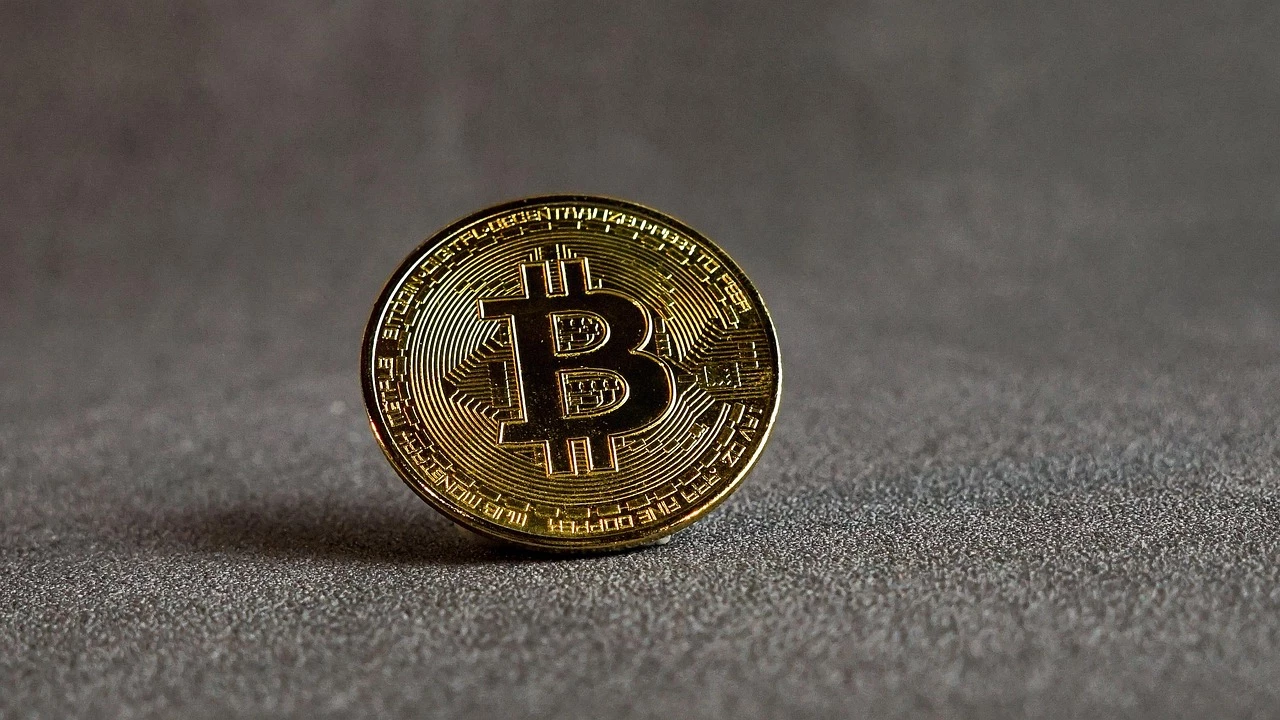
The Resurgence of NFTs: Beyond the Hype
This article covers KULA and related crypto trends with practical context. Non-fungible tokens (NFTs) have gained massive popularity in recent years, creating a buzz across various sectors, from art and music to gaming and real estate. As a unique digital asset class built on blockchain technology, NFTs represent ownership of specific items, allowing creators and collectors to engage in new ways. In this article, we will explore the resurgence of NFTs, their expanding applications, and insights on how they are shaping the digital economy.
This guide gives you a concise, actionable overview of the topic and why it matters now.
The Evolution of NFTs
From Digital Collectibles to Mainstream Adoption
Initially launched as digital collectibles, NFTs have transformed into significant assets that appeal to mainstream audiences. This evolution has been marked by high-profile sales, celebrity endorsements, and collaborations with major brands. These developments have sparked interest beyond the crypto community, attracting investors, artists, and businesses eager to leverage this innovative technology.
Technological Advancements Driving Growth
Advancements in blockchain technology have played a crucial role in the NFT boom. Enhanced scalability, lower transaction costs, and improved user experiences are making it easier for creators to mint NFTs and for buyers to acquire them. Furthermore, interoperability between different blockchain networks is allowing NFTs to reach wider audiences, paving the way for cross-platform usage.
NFTs in Various Sectors
Art and Music: Redefining Ownership
In the art world, NFTs are revolutionizing how artists create, sell, and monetize their work. By tokenizing digital art, artists can maintain control over their creations and receive royalties on secondary sales. Similarly, musicians are using NFTs to sell exclusive content, concert tickets, and merchandise directly to fans, fostering a closer connection with their audience.
Gaming: The New Frontier
The gaming industry is one of the most promising sectors for NFTs, with games allowing players to own in-game assets as NFTs. This not only enhances player engagement but also creates new revenue streams for developers. Players can trade, sell, or showcase their assets across various platforms, adding a layer of value that traditional gaming lacks.
Real Estate and Virtual Land
The concept of ownership extends to real estate and virtual land, where NFTs represent ownership of physical properties or digital real estate in metaverse environments. This innovation simplifies transactions and provides transparency in ownership records, potentially disrupting traditional real estate practices.
Challenges Facing the NFT Market
Environmental Concerns
One of the most significant challenges NFTs face is the environmental impact associated with blockchain technology, particularly those built on energy-intensive networks. As awareness of climate change grows, there is increasing pressure on NFT platforms to adopt more sustainable practices and transition to eco-friendly blockchains.
Market Volatility and Speculation
The NFT market is often criticized for its volatility, with prices soaring and plummeting based on trends rather than intrinsic value. This speculative nature can deter long-term investors and raise concerns about the sustainability of the market. Establishing clearer valuation metrics and fostering genuine use cases will be essential for stabilizing the market.
The Future of NFTs
Mainstream Integration
As NFTs continue to evolve, we can expect further integration into mainstream culture. Industries will likely adopt NFTs for ticketing, loyalty programs, and digital identity verification, broadening their reach and utility. This integration could solidify NFTs as a staple in the digital economy, transcending their initial hype.
Clarity in scope and metrics keeps teams aligned in The Resurgence of NFTs: Beyond the Hype. Write crisp definitions of done, instrument the path to green, and audit dependencies. Small, testable changes lower risk and speed up feedback. Operating in The Resurgence of NFTs: Beyond the Hype benefits from early telemetry and automated dashboards. Transparency reduces rework and panic moves. When KULA shifts, context is already captured, so you can adjust calmly instead of reacting late. Focus on liquidity, counterparty risk, and execution quality in The Resurgence of NFTs: Beyond the Hype. Prefer clear fee schedules and avoid hidden slippage. When uncertainty rises, reduce position size and extend review intervals. Builders who last in The Resurgence of NFTs: Beyond the Hype do unglamorous work. Document edge cases, measure latency, track fees and liquidity, and review error budgets. Discipline compounds faster than hot takes. Treat KULA as one variable in a wider model.
Builders who last in The Resurgence of NFTs: Beyond the Hype do unglamorous work. Document edge cases, measure latency, track fees and liquidity, and review error budgets. Discipline compounds faster than hot takes. Treat KULA as one variable in a wider model. Focus on liquidity, counterparty risk, and execution quality in The Resurgence of NFTs: Beyond the Hype. Prefer clear fee schedules and avoid hidden slippage. When uncertainty rises, reduce position size and extend review intervals. Operating in The Resurgence of NFTs: Beyond the Hype benefits from early telemetry and automated dashboards. Transparency reduces rework and panic moves. When KULA shifts, context is already captured, so you can adjust calmly instead of reacting late.
Innovative Use Cases
The future will likely see innovative use cases for NFTs, including decentralized finance (DeFi) applications and cross-industry collaborations. As technology advances, the potential for NFTs to create unique experiences and solutions in various sectors will expand, pushing the boundaries of what's possible with digital assets.
Key Takeaways
- NFTs are evolving from niche digital collectibles to mainstream assets with various applications.
- Technological advancements in blockchain are enhancing the NFT experience for creators and consumers.
- NFTs are reshaping industries like art, music, gaming, and real estate by redefining ownership.
- Environmental concerns are prompting the NFT market to explore more sustainable practices.
- Market volatility remains a challenge, necessitating clearer valuation metrics and genuine use cases.
- Future innovations may lead to broader integration of NFTs in everyday transactions and experiences.
Stay ahead in the digital economy—subscribe to our newsletter for the latest insights on NFTs and blockchain technology!