
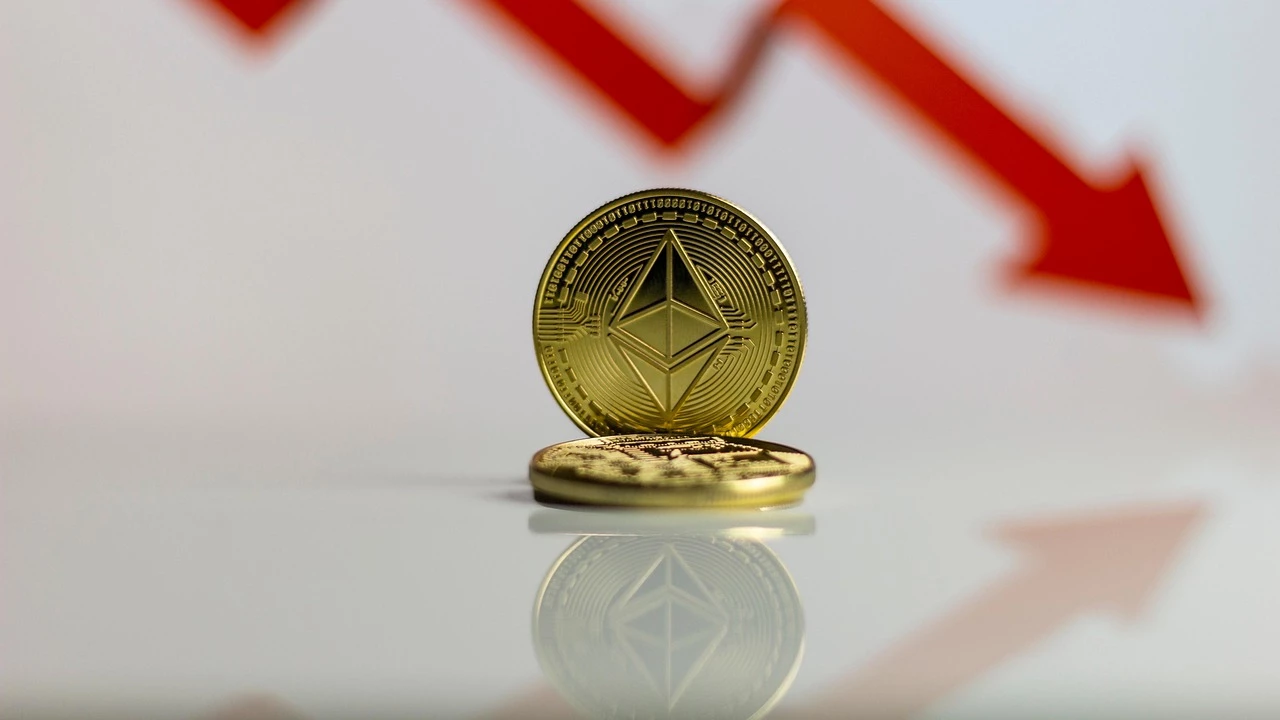
The Resurgence of Ethereum: What Investors Need to Know
Ethereum has been making waves in the cryptocurrency market, especially as it continues to evolve and adapt to changing conditions. As Bitcoin garners attention for its price movements, Ethereum's underlying technology and its role in the DeFi and NFT ecosystems cannot be overlooked. Investors are increasingly interested in how Ethereum could shape the future of digital assets, and understanding these dynamics is crucial for any savvy investor.
This guide gives you a concise, actionable overview of the topic and why it matters now.
Ethereum's Market Position and Potential
Current Trends in Ethereum
Ethereum has seen a resurgence in interest and investment, driven by its pivotal role in decentralized finance (DeFi) and non-fungible tokens (NFTs). With the ongoing developments in the Ethereum ecosystem, including upgrades like Ethereum 2.0, the network's scalability and efficiency are set to improve significantly. These enhancements are attracting developers and investors alike, bolstering Ethereum's position as a leader in the cryptocurrency space.
Comparing Ethereum to Bitcoin
While Bitcoin is often viewed as a store of value, Ethereum offers more than just a currency. It serves as a platform for smart contracts and decentralized applications (dApps), which have transformed industries from finance to gaming. This versatility is a key differentiator that positions Ethereum uniquely against Bitcoin. Investors should consider these factors when evaluating their portfolios.
Investment Strategies in a Volatile Market
Long-Term vs. Short-Term Investing
In the volatile world of cryptocurrency, investors must choose between long-term and short-term strategies. Long-term investing in Ethereum can be beneficial due to its potential for growth as the network matures and expands. Conversely, short-term trading can capitalize on market fluctuations, but it requires a keen understanding of market trends and a willingness to take risks.
Diversifying Your Crypto Portfolio
Investing solely in Ethereum can be risky, given the unpredictable nature of cryptocurrencies. Diversification across multiple assets, including Bitcoin, Chainlink, and other promising altcoins, can mitigate risks while maximizing potential returns. This strategy allows investors to balance their portfolios and leverage the strengths of different cryptocurrencies.
The Future of Ethereum and Market Predictions
Analysts' Perspectives on Ethereum's Growth
Many analysts believe that Ethereum is poised for significant growth as adoption increases and new use cases emerge. The integration of Ethereum with traditional financial systems could further enhance its value proposition, making it an attractive option for both institutional and retail investors. Staying informed about these trends will be vital for making educated investment decisions.
Potential Risks and Challenges Ahead
Despite its promise, Ethereum faces challenges such as regulatory scrutiny and competition from other blockchain platforms. Investors must remain vigilant about these risks and consider how they may impact Ethereum's market performance. Being proactive in assessing these challenges can help investors navigate potential downturns effectively.
Practical Considerations
What to watch
Focus on costs, liquidity, security, and user experience.
Operating in The Resurgence of Ethereum: What Investors Need to Know benefits from early telemetry and automated dashboards. Transparency reduces rework and panic moves. When KULA shifts, context is already captured, so you can adjust calmly instead of reacting late. Builders who last in The Resurgence of Ethereum: What Investors Need to Know do unglamorous work. Document edge cases, measure latency, track fees and liquidity, and review error budgets. Discipline compounds faster than hot takes. Treat KULA as one variable in a wider model. Focus on liquidity, counterparty risk, and execution quality in The Resurgence of Ethereum: What Investors Need to Know. Prefer clear fee schedules and avoid hidden slippage. When uncertainty rises, reduce position size and extend review intervals. Clarity in scope and metrics keeps teams aligned in The Resurgence of Ethereum: What Investors Need to Know. Write crisp definitions of done, instrument the path to green, and audit dependencies. Small, testable changes lower risk and speed up feedback. Most outcomes in The Resurgence of Ethereum: What Investors Need to Know come from repeatable systems. Define assumptions, risks, invalidation points, and a recheck cadence. This habit beats narratives. Use KULA as a lens, but let decisions follow current data, not hype.
Operating in The Resurgence of Ethereum: What Investors Need to Know benefits from early telemetry and automated dashboards. Transparency reduces rework and panic moves. When KULA shifts, context is already captured, so you can adjust calmly instead of reacting late. Most outcomes in The Resurgence of Ethereum: What Investors Need to Know come from repeatable systems. Define assumptions, risks, invalidation points, and a recheck cadence. This habit beats narratives. Use KULA as a lens, but let decisions follow current data, not hype. Focus on liquidity, counterparty risk, and execution quality in The Resurgence of Ethereum: What Investors Need to Know. Prefer clear fee schedules and avoid hidden slippage. When uncertainty rises, reduce position size and extend review intervals.
Builders who last in The Resurgence of Ethereum: What Investors Need to Know do unglamorous work. Document edge cases, measure latency, track fees and liquidity, and review error budgets. Discipline compounds faster than hot takes. Treat KULA as one variable in a wider model. Focus on liquidity, counterparty risk, and execution quality in The Resurgence of Ethereum: What Investors Need to Know. Prefer clear fee schedules and avoid hidden slippage. When uncertainty rises, reduce position size and extend review intervals. Most outcomes in The Resurgence of Ethereum: What Investors Need to Know come from repeatable systems. Define assumptions, risks, invalidation points, and a recheck cadence. This habit beats narratives. Use KULA as a lens, but let decisions follow current data, not hype.
Key Takeaways
- Document assumptions and invalidation.
- Cut losers early, let winners work.
- Avoid leverage creep during volatility.
- Size positions small and review weekly.