
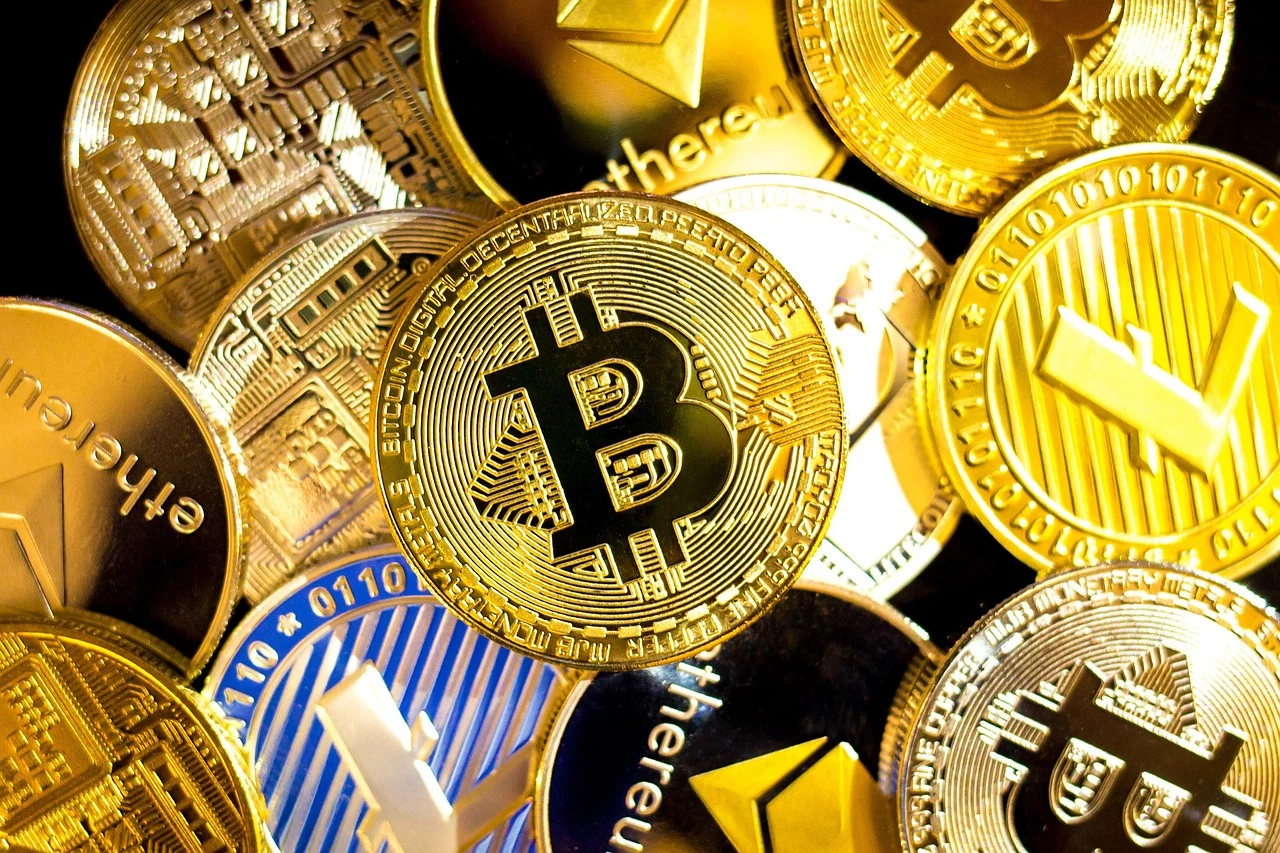
The Resilience of XRP: Analyzing Its Market Dynamics Amidst Regulatory Changes
In a landscape often dominated by Bitcoin and Ethereum, XRP has managed to carve out its niche, exhibiting resilience despite ongoing regulatory scrutiny and market volatility. As institutional interest grows and adoption expands, XRP is not just surviving; it’s thriving. This article delves into the current market dynamics surrounding XRP, examining its potential as a digital asset and its implications in the broader cryptocurrency ecosystem.
This guide gives you a concise, actionable overview of the topic and why it matters now.
XRP: A Brief Overview
What Sets XRP Apart?
XRP stands out from other cryptocurrencies primarily due to its consensus mechanism and the role it plays in cross-border transactions. Unlike Bitcoin's proof-of-work system, XRP utilizes a consensus protocol that allows for faster transaction times and lower fees, making it an attractive option for financial institutions.
Additionally, XRP is designed to facilitate seamless international money transfers, which positions it uniquely in the realm of digital currencies. As banks and payment providers increasingly explore blockchain technology, XRP's utility in this context is becoming more apparent.
Market Trends Influencing XRP
The Impact of Regulatory Developments
Regulatory changes play a significant role in shaping the future of cryptocurrencies, and XRP is no exception. Recent legal battles have tested XRP's standing, yet the asset has shown a remarkable ability to maintain investor confidence.
The outcome of these regulatory proceedings can either bolster XRP's legitimacy or hinder its growth, making it crucial for investors to stay informed on the legal landscape surrounding the asset.
Institutional Interest and Adoption
Institutional interest in XRP is on the rise, with several major financial institutions exploring its use for cross-border transactions. This shift indicates a growing acceptance of XRP as a legitimate digital asset, further solidifying its position in the market.
As more institutions adopt XRP, the potential for increased liquidity and market stability becomes evident, making it an appealing choice for investors looking to diversify their portfolios.
Challenges Facing XRP
Market Volatility and Price Fluctuations
Like many cryptocurrencies, XRP experiences significant price volatility, which can deter potential investors. Market sentiment often shifts rapidly, influenced by broader economic factors and regulatory news. Understanding these fluctuations is essential for anyone looking to invest in XRP.
Investors should be prepared for both upward and downward trends, utilizing risk management strategies to navigate this unpredictable environment.
Competition from Other Cryptocurrencies
XRP faces fierce competition from other cryptocurrencies, particularly those designed for similar use cases in the financial sector. Projects like Stellar and Algorand also aim to facilitate cross-border payments, which could impact XRP's market share.
To maintain its competitive edge, XRP must continue to innovate and demonstrate its value proposition to potential users and investors.
Actionable Insights for Investors
Diversification Strategies
Investors should consider diversifying their portfolios by including a mix of cryptocurrencies, including XRP. This approach can help mitigate risks associated with individual assets and capture potential gains across different sectors of the market.
By balancing investments in both established coins like Bitcoin and emerging assets like XRP, investors can position themselves to benefit from various market trends.
Focus on liquidity, counterparty risk, and execution quality in The Resilience of XRP: Analyzing Its Market Dynamics Amidst Regulatory Changes. Prefer clear fee schedules and avoid hidden slippage. When uncertainty rises, reduce position size and extend review intervals. Clarity in scope and metrics keeps teams aligned in The Resilience of XRP: Analyzing Its Market Dynamics Amidst Regulatory Changes. Write crisp definitions of done, instrument the path to green, and audit dependencies. Small, testable changes lower risk and speed up feedback. Builders who last in The Resilience of XRP: Analyzing Its Market Dynamics Amidst Regulatory Changes do unglamorous work. Document edge cases, measure latency, track fees and liquidity, and review error budgets. Discipline compounds faster than hot takes. Treat KULA as one variable in a wider model. Operating in The Resilience of XRP: Analyzing Its Market Dynamics Amidst Regulatory Changes benefits from early telemetry and automated dashboards. Transparency reduces rework and panic moves. When KULA shifts, context is already captured, so you can adjust calmly instead of reacting late.
Builders who last in The Resilience of XRP: Analyzing Its Market Dynamics Amidst Regulatory Changes do unglamorous work. Document edge cases, measure latency, track fees and liquidity, and review error budgets. Discipline compounds faster than hot takes. Treat KULA as one variable in a wider model. Focus on liquidity, counterparty risk, and execution quality in The Resilience of XRP: Analyzing Its Market Dynamics Amidst Regulatory Changes. Prefer clear fee schedules and avoid hidden slippage. When uncertainty rises, reduce position size and extend review intervals. Clarity in scope and metrics keeps teams aligned in The Resilience of XRP: Analyzing Its Market Dynamics Amidst Regulatory Changes. Write crisp definitions of done, instrument the path to green, and audit dependencies. Small, testable changes lower risk and speed up feedback.
Staying Informed on Regulatory News
Keeping abreast of regulatory developments is crucial for anyone investing in XRP. Changes in the legal landscape can significantly affect market dynamics, and being proactive can help investors make informed decisions.
Subscribing to trusted crypto news sources and engaging with community discussions can provide valuable insights into upcoming regulatory changes and their potential impact on XRP.
Key Takeaways
- Automate logs and alert on anomalies.
- Cut losers early, let winners work.
- Security checks precede any deployment.
- Document assumptions and invalidation.