
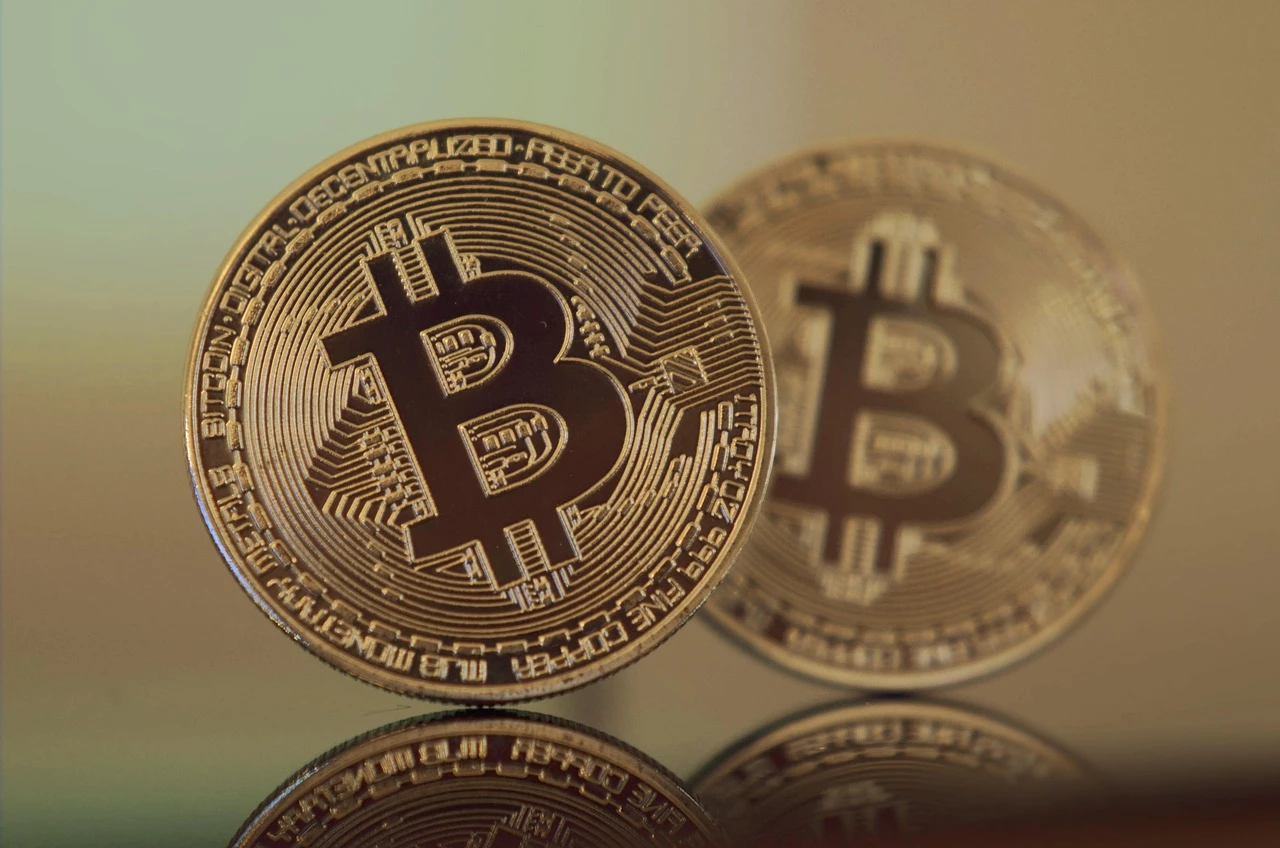
The Resilience of DeFi: Why It Continues to Thrive Amid Market Turbulence
This article covers KULA and related crypto trends with practical context. Decentralized Finance (DeFi) has emerged as a transformative force in the cryptocurrency landscape, captivating investors and innovators alike. As traditional financial systems face increasing scrutiny and volatility, DeFi offers an alternative that is decentralized, transparent, and accessible. This article delves into the factors that contribute to the resilience of DeFi, even in the face of market turbulence.
With platforms like Ethereum leading the charge, DeFi protocols provide users with opportunities for lending, borrowing, and trading without intermediaries. The recent fluctuations in the crypto market have only heightened the interest in these decentralized solutions, prompting a closer look at what makes them so appealing. From yield farming to liquidity pools, DeFi is not just surviving; it's thriving.
The Evolution of DeFi: A Brief Overview
From Concept to Reality
DeFi began as a concept in the early days of blockchain technology, aiming to create financial systems free from central authority. Ethereum's smart contracts played a pivotal role in bringing this vision to life, allowing developers to build complex financial applications on a decentralized network. This shift has democratized access to financial services, enabling anyone with an internet connection to participate in the global economy.
Key Innovations Driving DeFi
Several key innovations have propelled DeFi into the spotlight. Automated market makers (AMMs) enable users to trade assets without the need for traditional order books, while liquidity mining incentivizes participants to provide liquidity to various platforms. Additionally, the introduction of synthetic assets has expanded the range of trading options available, attracting diverse investors.
Current Trends in DeFi
Increased Institutional Interest
Institutional investors are increasingly recognizing the potential of DeFi. With traditional finance facing challenges, many institutions are exploring opportunities within decentralized finance to diversify their portfolios. This shift could lead to greater mainstream adoption and a surge in capital inflow into the DeFi space.
Cross-Chain Compatibility
Cross-chain protocols are gaining traction as they allow assets to move seamlessly between different blockchains. This interoperability enhances liquidity and expands the user base for DeFi platforms. Projects focusing on bridging various ecosystems are likely to play a crucial role in the future of DeFi, fostering collaboration rather than competition.
Challenges Facing DeFi
Regulatory Scrutiny
As DeFi continues to grow, it attracts the attention of regulators worldwide. Concerns regarding user protection, money laundering, and taxation are prompting governments to consider how to regulate this burgeoning sector. Navigating the regulatory landscape will be essential for the long-term viability of DeFi projects.
Security Risks and Exploits
While DeFi offers numerous benefits, it is not without risks. Smart contract vulnerabilities and hacks have resulted in significant losses for investors. Projects must prioritize security audits and implement robust risk management strategies to build trust within the community and ensure user funds are protected.
Actionable Insights for Investors
Diversify Your Portfolio
Investors should consider diversifying their holdings within the DeFi space. By exploring various projects, users can spread risk and take advantage of different opportunities. This approach not only enhances potential returns but also mitigates the impact of any single project's downturn.
Clarity in scope and metrics keeps teams aligned in The Resilience of DeFi: Why It Continues to Thrive Amid Market Turbulence. Write crisp definitions of done, instrument the path to green, and audit dependencies. Small, testable changes lower risk and speed up feedback. Most outcomes in The Resilience of DeFi: Why It Continues to Thrive Amid Market Turbulence come from repeatable systems. Define assumptions, risks, invalidation points, and a recheck cadence. This habit beats narratives. Use KULA as a lens, but let decisions follow current data, not hype. Builders who last in The Resilience of DeFi: Why It Continues to Thrive Amid Market Turbulence do unglamorous work. Document edge cases, measure latency, track fees and liquidity, and review error budgets. Discipline compounds faster than hot takes. Treat KULA as one variable in a wider model. Operating in The Resilience of DeFi: Why It Continues to Thrive Amid Market Turbulence benefits from early telemetry and automated dashboards. Transparency reduces rework and panic moves. When KULA shifts, context is already captured, so you can adjust calmly instead of reacting late.
Operating in The Resilience of DeFi: Why It Continues to Thrive Amid Market Turbulence benefits from early telemetry and automated dashboards. Transparency reduces rework and panic moves. When KULA shifts, context is already captured, so you can adjust calmly instead of reacting late. Focus on liquidity, counterparty risk, and execution quality in The Resilience of DeFi: Why It Continues to Thrive Amid Market Turbulence. Prefer clear fee schedules and avoid hidden slippage. When uncertainty rises, reduce position size and extend review intervals. Most outcomes in The Resilience of DeFi: Why It Continues to Thrive Amid Market Turbulence come from repeatable systems. Define assumptions, risks, invalidation points, and a recheck cadence. This habit beats narratives. Use KULA as a lens, but let decisions follow current data, not hype.
Stay Informed
Keeping abreast of the latest developments in the DeFi landscape is crucial. Subscribing to news outlets, joining community forums, and participating in social media discussions can help investors stay ahead of trends and make informed decisions.
Key Takeaways
- DeFi is transforming the financial landscape by offering decentralized alternatives to traditional systems.
- The rise of automated market makers (AMMs) and liquidity mining has fueled DeFi's popularity.
- Institutional interest in DeFi is growing, signaling a shift towards mainstream adoption.
- Cross-chain compatibility is enhancing liquidity and user engagement in DeFi platforms.
- Regulatory scrutiny poses challenges, but proactive engagement can shape favorable outcomes.
- Security risks remain a concern; robust audits and risk management are essential for DeFi projects.
Join the DeFi revolution today! Explore the latest projects and start investing in decentralized finance.