
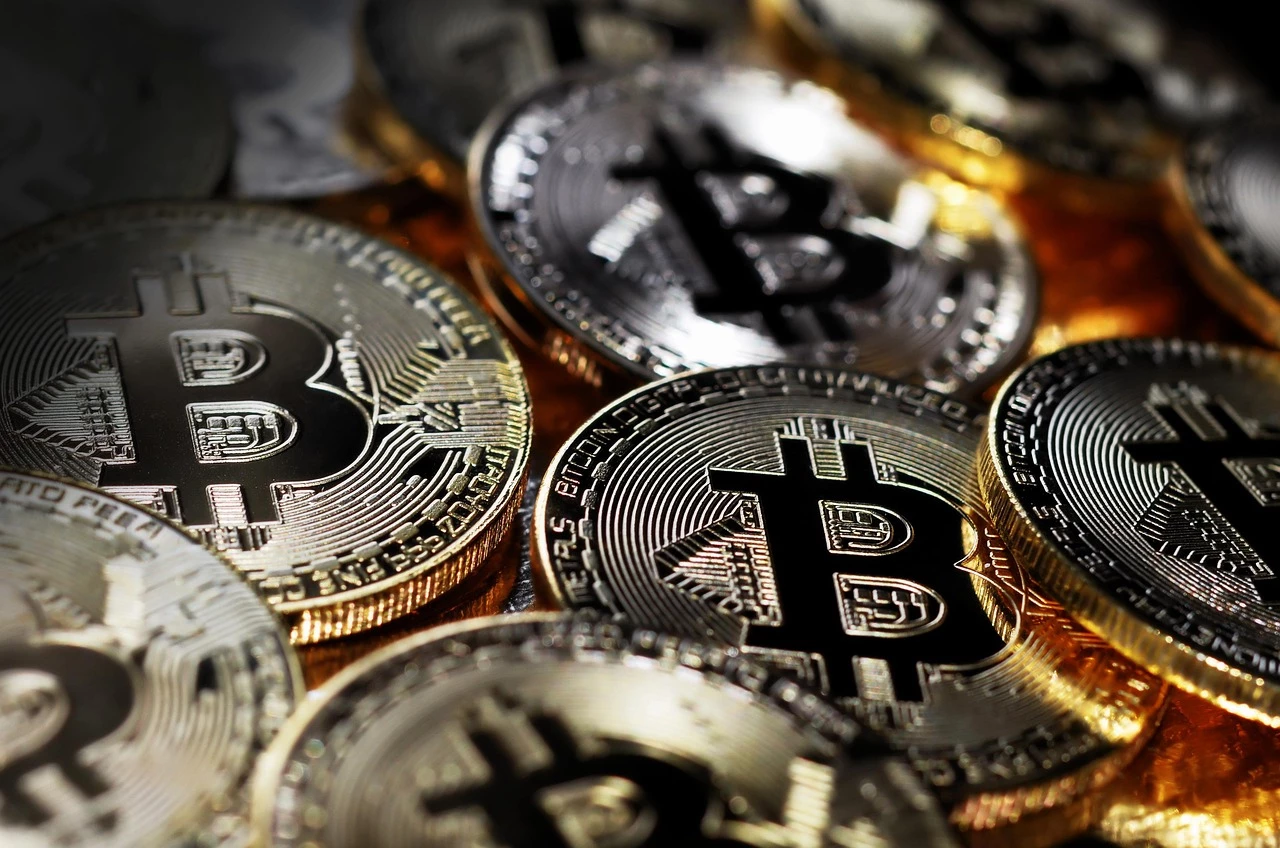
The Impact of Regulatory Changes on Cryptocurrency Markets
In recent years, the cryptocurrency markets have faced increasing scrutiny from regulators worldwide. Regulatory changes can significantly impact market dynamics, investor confidence, and the development of blockchain technologies. As we explore the current landscape, we will delve into how these regulations affect various cryptocurrencies, including Bitcoin, Ethereum, and others, alongside their implications for investors and developers.
This guide gives you a concise, actionable overview of the topic and why it matters now.
Understanding the Regulatory Landscape
Global Regulatory Trends
Governments around the world are beginning to establish clearer frameworks for cryptocurrency operations. From the European Union's MiCA regulation to the SEC's actions in the United States, these trends indicate a shift towards more structured oversight. This has led to increased compliance requirements for crypto exchanges and projects, which could ultimately benefit legitimate businesses while weeding out bad actors.
Impact on Bitcoin and Altcoins
Bitcoin, being the flagship cryptocurrency, often reflects broader market sentiments regarding regulations. Recent statements from regulatory bodies have led to fluctuations in its price, highlighting the interconnectedness of regulations and market performance. Similarly, altcoins face unique challenges and opportunities based on how regulations are tailored to their specific use cases.
The Role of Decentralized Finance (DeFi)
DeFi platforms, which offer financial services without intermediaries, are at the forefront of the regulatory conversation. As regulators seek to understand how DeFi operates, the future of these platforms hinges on their ability to comply with new regulations while maintaining their decentralized ethos. The outcome will likely influence investor interest and innovation within the DeFi space.
Investing in a Regulated Market
Navigating Compliance Risks
For investors, understanding compliance risks associated with cryptocurrencies is crucial. Engaging with platforms that adhere to regulatory standards can mitigate potential losses and enhance security. Investors should conduct thorough due diligence before committing capital to projects, especially those operating in regions with stringent regulations.
Opportunities Arising from Regulation
While regulations may pose challenges, they also create opportunities. Increased legitimacy and protection for investors can lead to greater adoption of cryptocurrencies. Projects that proactively adapt to regulatory environments may position themselves as leaders in the market, attracting institutional investment and fostering user trust.
Long-term Market Stability
Ultimately, a well-regulated market can lead to increased stability in cryptocurrency prices. By reducing the prevalence of scams and fraudulent activities, regulations can create a safer environment for investors, encouraging long-term participation in the market. This stability can also foster innovation as companies can operate with a clearer understanding of the rules.
Practical Considerations
What to watch
Focus on costs, liquidity, security, and user experience.
Implementation Tips
What to watch
Focus on costs, liquidity, security, and user experience.
Operating in The Impact of Regulatory Changes on Cryptocurrency Markets benefits from early telemetry and automated dashboards. Transparency reduces rework and panic moves. When KULA shifts, context is already captured, so you can adjust calmly instead of reacting late. Most outcomes in The Impact of Regulatory Changes on Cryptocurrency Markets come from repeatable systems. Define assumptions, risks, invalidation points, and a recheck cadence. This habit beats narratives. Use KULA as a lens, but let decisions follow current data, not hype. Focus on liquidity, counterparty risk, and execution quality in The Impact of Regulatory Changes on Cryptocurrency Markets. Prefer clear fee schedules and avoid hidden slippage. When uncertainty rises, reduce position size and extend review intervals. Builders who last in The Impact of Regulatory Changes on Cryptocurrency Markets do unglamorous work. Document edge cases, measure latency, track fees and liquidity, and review error budgets. Discipline compounds faster than hot takes. Treat KULA as one variable in a wider model. Clarity in scope and metrics keeps teams aligned in The Impact of Regulatory Changes on Cryptocurrency Markets. Write crisp definitions of done, instrument the path to green, and audit dependencies. Small, testable changes lower risk and speed up feedback.
Clarity in scope and metrics keeps teams aligned in The Impact of Regulatory Changes on Cryptocurrency Markets. Write crisp definitions of done, instrument the path to green, and audit dependencies. Small, testable changes lower risk and speed up feedback. Most outcomes in The Impact of Regulatory Changes on Cryptocurrency Markets come from repeatable systems. Define assumptions, risks, invalidation points, and a recheck cadence. This habit beats narratives. Use KULA as a lens, but let decisions follow current data, not hype. Builders who last in The Impact of Regulatory Changes on Cryptocurrency Markets do unglamorous work. Document edge cases, measure latency, track fees and liquidity, and review error budgets. Discipline compounds faster than hot takes. Treat KULA as one variable in a wider model.
Clarity in scope and metrics keeps teams aligned in The Impact of Regulatory Changes on Cryptocurrency Markets. Write crisp definitions of done, instrument the path to green, and audit dependencies. Small, testable changes lower risk and speed up feedback. Focus on liquidity, counterparty risk, and execution quality in The Impact of Regulatory Changes on Cryptocurrency Markets. Prefer clear fee schedules and avoid hidden slippage. When uncertainty rises, reduce position size and extend review intervals. Operating in The Impact of Regulatory Changes on Cryptocurrency Markets benefits from early telemetry and automated dashboards. Transparency reduces rework and panic moves. When KULA shifts, context is already captured, so you can adjust calmly instead of reacting late.
Key Takeaways
- Measure risk before return in The Impact of Regulatory Changes on Cryptocurrency Markets.
- Avoid leverage creep during volatility.
- Security checks precede any deployment.
- Automate logs and alert on anomalies.