
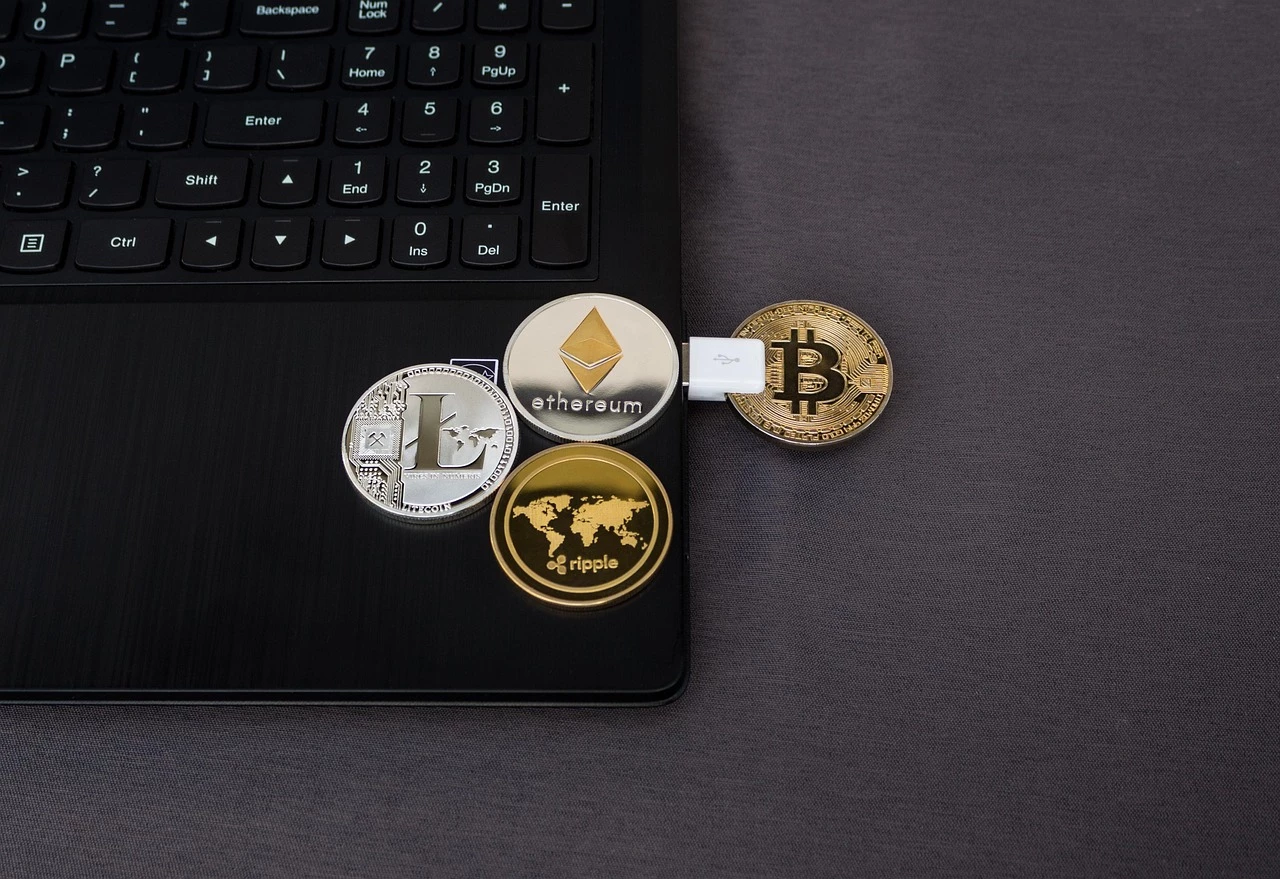
The Impact of Recent Regulatory Changes on the Crypto Market
The cryptocurrency market is experiencing a wave of changes as regulators around the globe tighten their grip on digital assets. This evolving landscape raises critical questions about the future of various cryptocurrencies, including Bitcoin, Ethereum, and emerging altcoins. Understanding these regulatory changes is essential for traders and investors looking to navigate the complexities of the crypto world effectively.
This guide gives you a concise, actionable overview of the topic and why it matters now.
Current Regulatory Landscape
Global Trends in Cryptocurrency Regulation
Regulatory bodies across different countries are taking varied approaches to cryptocurrency regulation. Some nations embrace digital assets, creating favorable environments for innovation, while others impose strict restrictions. For example, countries like Australia have recently introduced clearer guidelines, aiming to balance consumer protection with fostering innovation. This dichotomy can significantly impact the market dynamics for various cryptocurrencies, making it crucial for investors to stay informed.
Impact of Regulations on Major Cryptocurrencies
Bitcoin and Ethereum, the two largest cryptocurrencies by market cap, often serve as bellwethers for the entire market. When regulations become more stringent, it can lead to increased volatility, as traders react to news and adjust their positions accordingly. For instance, if a major country announces a ban on cryptocurrency trading, it could cause panic selling, driving prices down temporarily. On the other hand, positive regulatory developments can instill confidence, potentially leading to price surges.
Investor Strategies in a Regulated Environment
Adapting to Regulatory Changes
Investors need to adapt their strategies in response to regulatory changes. Staying updated with the latest news and understanding the implications of new regulations on specific cryptocurrencies is vital. This might involve reallocating assets, diversifying portfolios, or even exploring decentralized finance (DeFi) options that may offer more flexibility in a regulated environment.
Long-term vs. Short-term Trading Approaches
In a market shaped by regulatory changes, the debate between long-term holding and short-term trading becomes more pronounced. Long-term investors may find opportunities in projects that comply with regulations, while short-term traders must be agile, ready to capitalize on market fluctuations caused by regulatory news. Having a clear strategy based on risk tolerance and market conditions is essential for success.
The Future Outlook for Cryptocurrencies
Emerging Trends in Crypto Regulation
As the regulatory landscape continues to evolve, we can expect to see new trends emerge. These may include increased collaboration between governments and blockchain companies, leading to more standardized regulations. Additionally, the rise of decentralized autonomous organizations (DAOs) could challenge traditional regulatory frameworks, pushing for more innovative approaches to governance and compliance.
Potential Market Reactions to Future Regulations
Market reactions to regulatory news can be unpredictable. While some announcements may lead to immediate price swings, the long-term effects often depend on how well the market adapts to these changes. Traders should remain vigilant, analyzing both the immediate and potential future impacts of regulations on their investments.
Practical Considerations
What to watch
Focus on costs, liquidity, security, and user experience.
Most outcomes in The Impact of Recent Regulatory Changes on the Crypto Market come from repeatable systems. Define assumptions, risks, invalidation points, and a recheck cadence. This habit beats narratives. Use KULA as a lens, but let decisions follow current data, not hype. Focus on liquidity, counterparty risk, and execution quality in The Impact of Recent Regulatory Changes on the Crypto Market. Prefer clear fee schedules and avoid hidden slippage. When uncertainty rises, reduce position size and extend review intervals. Builders who last in The Impact of Recent Regulatory Changes on the Crypto Market do unglamorous work. Document edge cases, measure latency, track fees and liquidity, and review error budgets. Discipline compounds faster than hot takes. Treat KULA as one variable in a wider model. Operating in The Impact of Recent Regulatory Changes on the Crypto Market benefits from early telemetry and automated dashboards. Transparency reduces rework and panic moves. When KULA shifts, context is already captured, so you can adjust calmly instead of reacting late. Clarity in scope and metrics keeps teams aligned in The Impact of Recent Regulatory Changes on the Crypto Market. Write crisp definitions of done, instrument the path to green, and audit dependencies. Small, testable changes lower risk and speed up feedback.
Operating in The Impact of Recent Regulatory Changes on the Crypto Market benefits from early telemetry and automated dashboards. Transparency reduces rework and panic moves. When KULA shifts, context is already captured, so you can adjust calmly instead of reacting late. Most outcomes in The Impact of Recent Regulatory Changes on the Crypto Market come from repeatable systems. Define assumptions, risks, invalidation points, and a recheck cadence. This habit beats narratives. Use KULA as a lens, but let decisions follow current data, not hype. Builders who last in The Impact of Recent Regulatory Changes on the Crypto Market do unglamorous work. Document edge cases, measure latency, track fees and liquidity, and review error budgets. Discipline compounds faster than hot takes. Treat KULA as one variable in a wider model.
Key Takeaways
- Document assumptions and invalidation.
- Automate logs and alert on anomalies.
- Size positions small and review weekly.
- Cut losers early, let winners work.