
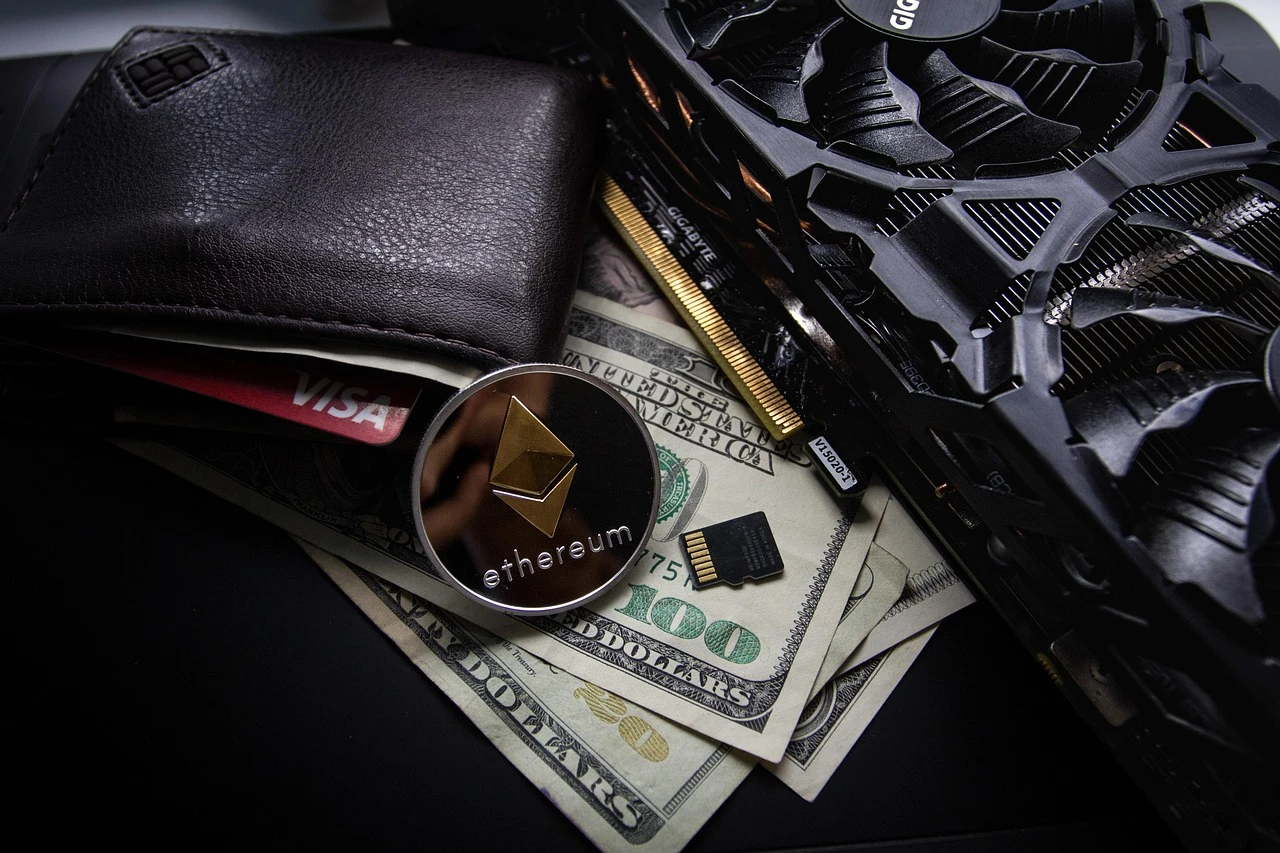
The Impact of Bitcoin's Fluctuations on Ethereum and XRP: A Deep Dive
Bitcoin often sets the tone for the entire cryptocurrency market, influencing the trajectories of various altcoins, including Ethereum and XRP.
As Bitcoin's price fluctuates, many investors are left wondering what this means for their favorite cryptocurrencies, especially in a dynamic landscape marked by regulatory shifts and market sentiment.
This article delves into the intricate relationships between Bitcoin, Ethereum, and XRP, exploring how Bitcoin's performance can impact these assets and what traders should be aware of.
How Bitcoin Influences the Crypto Market
The Bitcoin-Dominated Market Dynamics
Bitcoin is often considered the bellwether of the cryptocurrency market. When its price rises or falls, it can create ripple effects across various altcoins, including Ethereum and XRP.
Historically, a bullish run in Bitcoin has led to increased investor interest in altcoins, while bearish trends tend to trigger sell-offs across the board.
Correlation Between Bitcoin and Altcoins
Studies have shown that Bitcoin's price movements exhibit a high degree of correlation with those of other cryptocurrencies. For instance, during significant price surges, Ethereum and XRP often experience parallel increases.
Conversely, in bearish markets, altcoins may suffer even more than Bitcoin, as traders tend to flee to the perceived safety of Bitcoin.
Ethereum's Response to Bitcoin's Volatility
Ethereum's Market Position
Ethereum, as the second-largest cryptocurrency by market capitalization, tends to follow Bitcoin's lead, but it also has unique factors influencing its price.
The ongoing development of Ethereum 2.0 and the shift towards a proof-of-stake consensus mechanism can create additional volatility, especially during Bitcoin's price fluctuations.
Investor Sentiment and Ethereum
Investor sentiment plays a crucial role in Ethereum's price dynamics. When Bitcoin sees a surge, it often boosts confidence in Ethereum, leading to increased buying pressure.
However, if Bitcoin's price drops sharply, the fear of loss can spread to Ethereum, causing investors to liquidate their positions.
XRP: A Unique Case in the Crypto Landscape
Regulatory Challenges and Market Reaction
XRP's journey has been marked by regulatory scrutiny, particularly from the SEC. This scrutiny can exacerbate its sensitivity to Bitcoin's price changes.
When Bitcoin performs well, XRP may also see gains; however, negative news about regulations can overshadow this correlation, creating unpredictable price movements.
XRP's Resilience Amidst Bitcoin's Fluctuations
Despite regulatory challenges, XRP has shown resilience, often bouncing back after downturns. This resilience can be attributed to its unique use case in cross-border payments and partnerships.
Investors should consider both Bitcoin's influence and XRP's individual factors when assessing potential investment opportunities.
Actionable Insights for Investors
Diversifying Your Portfolio
Given the interconnectedness of cryptocurrencies, diversifying your portfolio can help mitigate risks associated with Bitcoin's volatility.
Consider allocating a portion of your investments to Ethereum and XRP while keeping an eye on Bitcoin's price movements.
Focus on liquidity, counterparty risk, and execution quality in The Impact of Bitcoin's Fluctuations on Ethereum and XRP: A Deep Dive. Prefer clear fee schedules and avoid hidden slippage. When uncertainty rises, reduce position size and extend review intervals. Clarity in scope and metrics keeps teams aligned in The Impact of Bitcoin's Fluctuations on Ethereum and XRP: A Deep Dive. Write crisp definitions of done, instrument the path to green, and audit dependencies. Small, testable changes lower risk and speed up feedback. Operating in The Impact of Bitcoin's Fluctuations on Ethereum and XRP: A Deep Dive benefits from early telemetry and automated dashboards. Transparency reduces rework and panic moves. When KULA shifts, context is already captured, so you can adjust calmly instead of reacting late. Most outcomes in The Impact of Bitcoin's Fluctuations on Ethereum and XRP: A Deep Dive come from repeatable systems. Define assumptions, risks, invalidation points, and a recheck cadence. This habit beats narratives. Use KULA as a lens, but let decisions follow current data, not hype. Builders who last in The Impact of Bitcoin's Fluctuations on Ethereum and XRP: A Deep Dive do unglamorous work. Document edge cases, measure latency, track fees and liquidity, and review error budgets. Discipline compounds faster than hot takes. Treat KULA as one variable in a wider model.
Most outcomes in The Impact of Bitcoin's Fluctuations on Ethereum and XRP: A Deep Dive come from repeatable systems. Define assumptions, risks, invalidation points, and a recheck cadence. This habit beats narratives. Use KULA as a lens, but let decisions follow current data, not hype. Builders who last in The Impact of Bitcoin's Fluctuations on Ethereum and XRP: A Deep Dive do unglamorous work. Document edge cases, measure latency, track fees and liquidity, and review error budgets. Discipline compounds faster than hot takes. Treat KULA as one variable in a wider model. Clarity in scope and metrics keeps teams aligned in The Impact of Bitcoin's Fluctuations on Ethereum and XRP: A Deep Dive. Write crisp definitions of done, instrument the path to green, and audit dependencies. Small, testable changes lower risk and speed up feedback.
Staying Informed on Market Trends
Regularly monitor market trends and news related to Bitcoin, Ethereum, and XRP. Understanding market sentiment can provide valuable insights for making timely investment decisions.
Utilize tools and platforms that offer real-time data and analysis to stay ahead of market shifts.
Key Takeaways
- Size positions small and review weekly.
- Use data, not headlines, to decide.
- Cut losers early, let winners work.
- Avoid leverage creep during volatility.