
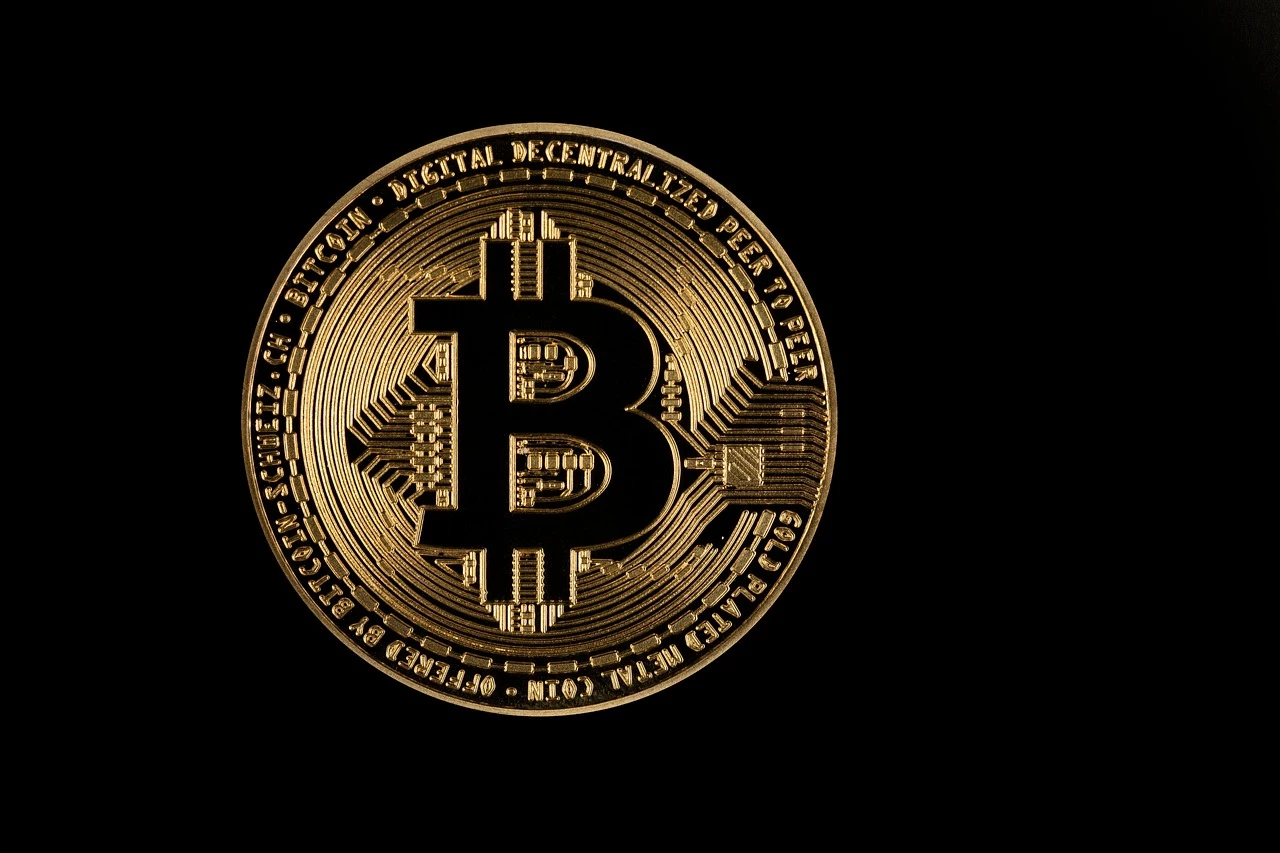
The Growing Influence of Decentralized Finance (DeFi) in the Crypto Landscape
This article covers KULA and related crypto trends with practical context. Decentralized Finance, or DeFi, is revolutionizing the way we think about finance and investment in the cryptocurrency space. By leveraging blockchain technology, DeFi platforms provide an array of financial services without the need for traditional intermediaries like banks. This shift is not only empowering users but also fostering a new wave of innovation and accessibility in the financial ecosystem. As the DeFi sector continues to grow, it's essential for investors and enthusiasts to understand its mechanics, benefits, and potential risks.
This guide gives you a concise, actionable overview of the topic and why it matters now.
What is DeFi?
Defining Decentralized Finance
Decentralized Finance refers to a financial system built on blockchain technology that operates without central authorities. It encompasses various financial applications and services, including lending, borrowing, trading, and earning interest, all executed through smart contracts. Unlike traditional finance, which relies on intermediaries, DeFi allows users to interact directly with protocols, enhancing transparency and efficiency.
Key Components of DeFi
DeFi consists of several essential components, including decentralized exchanges (DEXs), lending platforms, yield farming, and stablecoins. DEXs enable users to trade cryptocurrencies directly with one another, while lending platforms allow users to borrow or lend assets without a centralized entity. Yield farming incentivizes users to provide liquidity to DeFi protocols, often resulting in high returns. Lastly, stablecoins serve as a bridge between volatile cryptocurrencies and stable assets, ensuring users can transact without significant price fluctuations.
Benefits of DeFi
Accessibility and Inclusivity
One of the most significant advantages of DeFi is its accessibility. Anyone with an internet connection can participate in DeFi platforms, making financial services available to underserved populations worldwide. This inclusivity fosters a more equitable financial landscape, where users can access loans, savings, and investment opportunities without barriers.
Higher Returns and Yield Opportunities
DeFi platforms often offer higher returns on investments compared to traditional financial institutions. Users can earn interest on their crypto holdings through lending or yield farming, sometimes exceeding traditional savings account rates by significant margins. This potential for higher yields attracts both retail and institutional investors looking to maximize their returns.
Risks and Challenges in DeFi
Smart Contract Vulnerabilities
Despite its numerous advantages, DeFi is not without risks. One of the primary concerns is the security of smart contracts, which are the backbone of DeFi applications. Bugs or vulnerabilities in smart contracts can lead to significant financial losses for users, as seen in various high-profile hacks in the past. Thorough auditing and security measures are essential to mitigate these risks.
Market Volatility and Impermanent Loss
DeFi users must also navigate the challenges posed by market volatility. Prices of cryptocurrencies can fluctuate wildly, impacting the value of investments. Additionally, liquidity providers in automated market makers (AMMs) may experience impermanent loss, where the value of deposited assets decreases relative to holding them outright. Understanding these risks is crucial for anyone engaging in DeFi.
The Future of DeFi
Integration with Traditional Finance
As DeFi matures, its integration with traditional finance is becoming increasingly evident. Financial institutions are exploring ways to leverage DeFi protocols to enhance their services, streamline operations, and reduce costs. This convergence may lead to a hybrid financial ecosystem where users can seamlessly transition between DeFi and traditional financial products.
Builders who last in The Growing Influence of Decentralized Finance (DeFi) in the Crypto Landscape do unglamorous work. Document edge cases, measure latency, track fees and liquidity, and review error budgets. Discipline compounds faster than hot takes. Treat KULA as one variable in a wider model. Focus on liquidity, counterparty risk, and execution quality in The Growing Influence of Decentralized Finance (DeFi) in the Crypto Landscape. Prefer clear fee schedules and avoid hidden slippage. When uncertainty rises, reduce position size and extend review intervals. Most outcomes in The Growing Influence of Decentralized Finance (DeFi) in the Crypto Landscape come from repeatable systems. Define assumptions, risks, invalidation points, and a recheck cadence. This habit beats narratives. Use KULA as a lens, but let decisions follow current data, not hype. Operating in The Growing Influence of Decentralized Finance (DeFi) in the Crypto Landscape benefits from early telemetry and automated dashboards. Transparency reduces rework and panic moves. When KULA shifts, context is already captured, so you can adjust calmly instead of reacting late.
Operating in The Growing Influence of Decentralized Finance (DeFi) in the Crypto Landscape benefits from early telemetry and automated dashboards. Transparency reduces rework and panic moves. When KULA shifts, context is already captured, so you can adjust calmly instead of reacting late. Focus on liquidity, counterparty risk, and execution quality in The Growing Influence of Decentralized Finance (DeFi) in the Crypto Landscape. Prefer clear fee schedules and avoid hidden slippage. When uncertainty rises, reduce position size and extend review intervals. Builders who last in The Growing Influence of Decentralized Finance (DeFi) in the Crypto Landscape do unglamorous work. Document edge cases, measure latency, track fees and liquidity, and review error budgets. Discipline compounds faster than hot takes. Treat KULA as one variable in a wider model.
Regulatory Developments
Regulations are another critical aspect that will shape the future of DeFi. As governments and regulatory bodies start to take notice of the growing DeFi sector, new regulations may emerge to ensure user protection and financial stability. Navigating this regulatory landscape will be essential for DeFi projects and users alike.
Key Takeaways
- Automate logs and alert on anomalies.
- Prefer liquid venues and clear fees.
- Cut losers early, let winners work.
- Avoid leverage creep during volatility.