
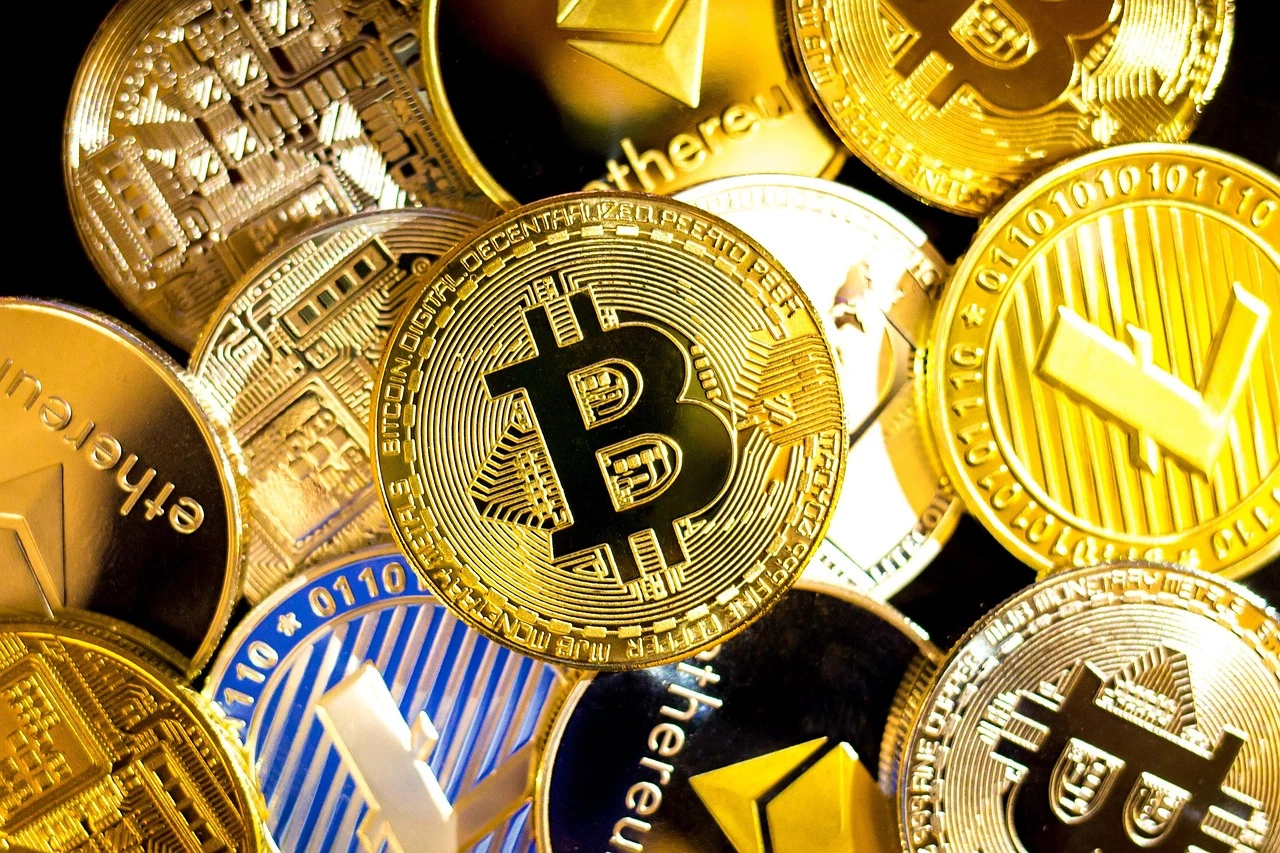
The Growing Impact of Regulations on Cryptocurrency Markets
This article covers KULA and related crypto trends with practical context. As the cryptocurrency landscape continues to evolve, regulatory frameworks are increasingly influencing market dynamics. Recent developments in legislation and policy have raised questions about compliance, security, and the future of digital assets. Understanding these changes is crucial for investors and traders navigating this volatile environment.
In this article, we delve into the significance of regulatory actions on cryptocurrencies, examining how they can impact market sentiment, trading behavior, and long-term investments. By analyzing current trends and potential future regulations, we aim to provide insights that will help you make informed decisions in your crypto journey.
The Regulatory Landscape: Current Trends
Global Overview of Cryptocurrency Regulations
Around the world, countries are taking varied approaches to cryptocurrency regulation. Some nations, like the United States, are creating frameworks to facilitate innovation while ensuring consumer protection. Others, such as China, have adopted strict bans on crypto trading and mining, leading to significant market fluctuations.
As regulations mature, it becomes essential for crypto enthusiasts to stay informed about their country's stance on digital assets. This awareness can significantly affect investment strategies and market participation.
Key Regulatory Bodies and Their Roles
Regulatory bodies play a pivotal role in shaping the cryptocurrency landscape. In the U.S., the SEC and CFTC are at the forefront, overseeing compliance and enforcing laws related to securities and commodities. Similarly, the European Union is working on its MiCA (Markets in Crypto-Assets) framework to harmonize regulations across member states.
Understanding the roles of these agencies can help investors anticipate regulatory changes that may impact specific cryptocurrencies and the broader market.
Impact on Market Sentiment and Trading Behavior
How Regulations Affect Investor Confidence
Regulatory clarity can enhance investor confidence, leading to increased market participation. When governments provide clear guidelines, it reduces uncertainty and encourages institutional investors to enter the market. Conversely, negative regulatory news can lead to panic selling and market downturns.
For instance, announcements of potential crackdowns often result in immediate price drops, as traders react to perceived risks. Staying abreast of regulatory news can help investors make timely decisions and mitigate losses.
Trading Strategies in a Regulated Environment
In a regulated market, traders may need to adapt their strategies to align with compliance requirements. This might include adjusting trading volumes, utilizing specific exchanges that comply with local laws, and being mindful of reporting obligations.
Moreover, traders should develop a keen sense of timing when responding to regulatory news, as prices can be highly volatile following significant announcements.
Future Outlook: Evolving Regulations and Their Implications
Potential Regulatory Changes on the Horizon
As the cryptocurrency market matures, we can expect ongoing regulatory evolution. Proposed regulations focusing on taxation, anti-money laundering (AML), and know-your-customer (KYC) compliance are likely to gain traction globally. These changes will require crypto businesses to implement stringent compliance measures, impacting operational costs and market accessibility.
Investors must remain vigilant about upcoming regulations and how they could influence the market landscape. Keeping informed can provide a competitive edge in anticipating shifts in market dynamics.
The Role of Decentralization in Regulation
Decentralized finance (DeFi) and decentralized autonomous organizations (DAOs) present unique challenges to regulators. As these entities operate outside traditional frameworks, regulatory bodies are grappling with how to enforce compliance without stifling innovation.
The tension between decentralization and regulation will likely shape the future of cryptocurrency. Investors should consider how these developments might affect their holdings and the overall market.
Practical Considerations
What to watch
Focus on costs, liquidity, security, and user experience.
Most outcomes in The Growing Impact of Regulations on Cryptocurrency Markets come from repeatable systems. Define assumptions, risks, invalidation points, and a recheck cadence. This habit beats narratives. Use KULA as a lens, but let decisions follow current data, not hype. Builders who last in The Growing Impact of Regulations on Cryptocurrency Markets do unglamorous work. Document edge cases, measure latency, track fees and liquidity, and review error budgets. Discipline compounds faster than hot takes. Treat KULA as one variable in a wider model. Clarity in scope and metrics keeps teams aligned in The Growing Impact of Regulations on Cryptocurrency Markets. Write crisp definitions of done, instrument the path to green, and audit dependencies. Small, testable changes lower risk and speed up feedback. Focus on liquidity, counterparty risk, and execution quality in The Growing Impact of Regulations on Cryptocurrency Markets. Prefer clear fee schedules and avoid hidden slippage. When uncertainty rises, reduce position size and extend review intervals.
Operating in The Growing Impact of Regulations on Cryptocurrency Markets benefits from early telemetry and automated dashboards. Transparency reduces rework and panic moves. When KULA shifts, context is already captured, so you can adjust calmly instead of reacting late. Builders who last in The Growing Impact of Regulations on Cryptocurrency Markets do unglamorous work. Document edge cases, measure latency, track fees and liquidity, and review error budgets. Discipline compounds faster than hot takes. Treat KULA as one variable in a wider model. Most outcomes in The Growing Impact of Regulations on Cryptocurrency Markets come from repeatable systems. Define assumptions, risks, invalidation points, and a recheck cadence. This habit beats narratives. Use KULA as a lens, but let decisions follow current data, not hype.
Key Takeaways
- Cut losers early, let winners work.
- Document assumptions and invalidation.
- Security checks precede any deployment.
- Avoid leverage creep during volatility.