
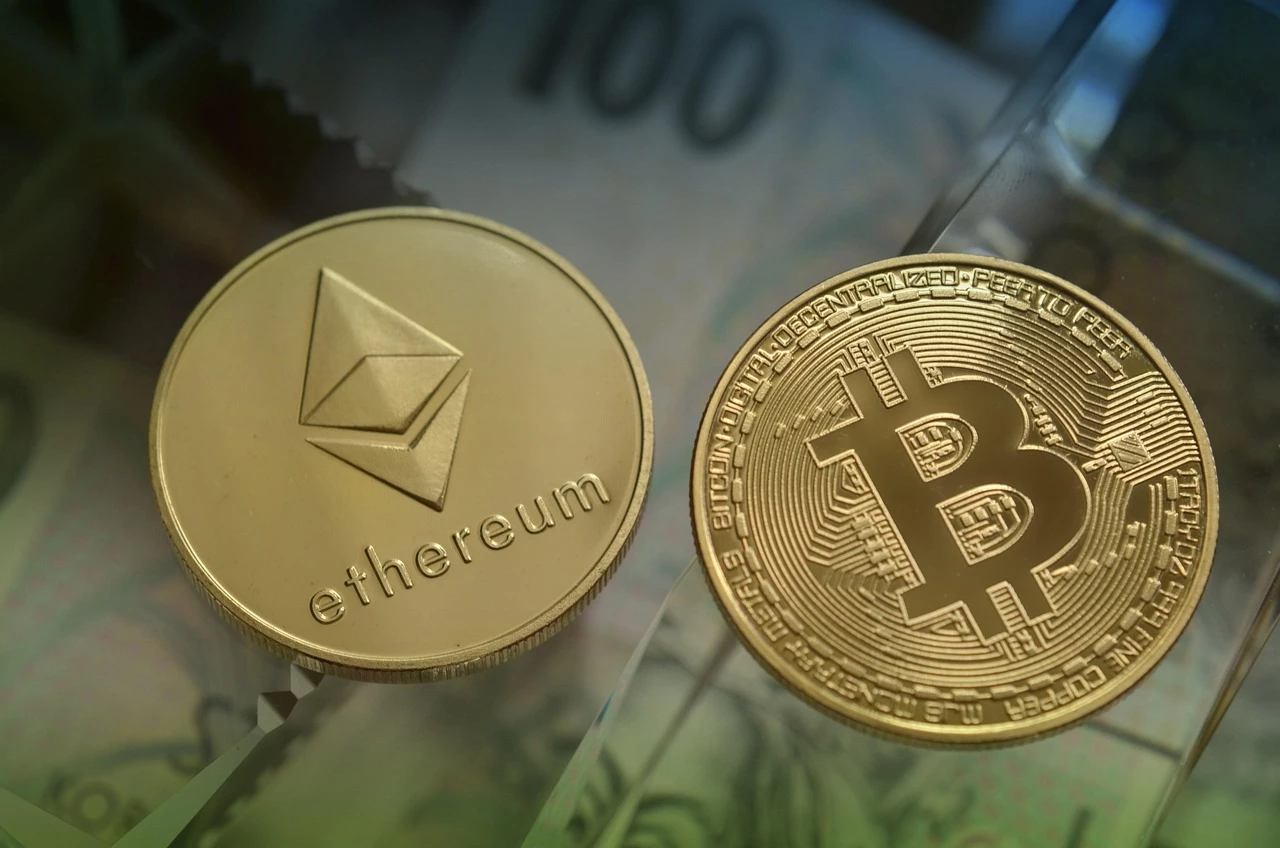
The Evolving Landscape of DeFi: Trends and Predictions for 2024
This article covers KULA and related crypto trends with practical context. Decentralized Finance (DeFi) has revolutionized the financial industry by offering innovative solutions that bypass traditional banking systems. In recent years, the surge in DeFi protocols has attracted significant attention, showcasing the potential for financial inclusion and innovation.
As we approach 2024, understanding the evolving trends within the DeFi space is crucial for investors and enthusiasts alike. This article will delve into the current state of DeFi, its challenges, and what we can expect in the near future.
Current Trends in DeFi
Rise of Decentralized Exchanges (DEXs)
Decentralized exchanges have gained immense popularity due to their ability to facilitate peer-to-peer trading without intermediaries. Unlike centralized exchanges, DEXs allow users to maintain control over their assets, reducing the risk of hacks and fund losses.
The increasing adoption of Automated Market Makers (AMMs) and liquidity pools is driving this trend. As more users seek privacy and control, DEXs are likely to continue their upward trajectory in 2024.
Yield Farming and Liquidity Mining
Yield farming and liquidity mining have become buzzwords within the DeFi ecosystem. By providing liquidity to platforms, users can earn attractive returns on their investments, often significantly higher than traditional finance.
In 2024, we can expect to see more innovative yield farming strategies and partnerships between DeFi projects, creating a competitive landscape that benefits users seeking passive income.
Interoperability Between Blockchains
Interoperability is crucial for the growth of DeFi, allowing different blockchain networks to communicate and share data. Projects focusing on cross-chain functionality are expected to thrive, as they enable users to move assets seamlessly across platforms.
With the rise of bridges and wrapped tokens, the DeFi ecosystem will become more integrated, attracting a broader user base and enhancing liquidity.
Challenges Facing the DeFi Ecosystem
Regulatory Uncertainty
As DeFi continues to grow, regulatory scrutiny is intensifying. Governments worldwide are grappling with how to regulate this rapidly evolving space, which could impact the development of DeFi protocols.
In 2024, we may see clearer regulations that could help legitimize DeFi but also impose restrictions that could stifle innovation.
Security Risks and Exploits
Despite its promise, the DeFi space is not without risks. Smart contract vulnerabilities and exploits have led to significant losses for users. Security audits and insurance protocols are becoming essential for DeFi projects to gain user trust.
As the ecosystem matures, we anticipate a stronger emphasis on security practices and protocols to safeguard user assets.
User Experience and Accessibility
The complexity of using DeFi platforms can be a barrier for new users. Improving the user experience is vital for mass adoption. In 2024, we expect to see more user-friendly interfaces and educational resources aimed at helping users navigate the DeFi landscape.
Projects that prioritize accessibility and user education will likely gain traction, attracting a diverse range of participants.
Predictions for DeFi in 2024
Increased Institutional Participation
As awareness and understanding of DeFi grow, institutional investors are likely to enter the space. This influx of capital could lead to more robust DeFi ecosystems and innovative products tailored for institutional needs.
In 2024, we expect partnerships between DeFi platforms and traditional financial institutions to become more common, bridging the gap between these two worlds.
Expansion of DeFi Insurance Products
The demand for insurance products in the DeFi space is on the rise as users seek to protect their investments from unforeseen events. In 2024, we anticipate the emergence of more comprehensive insurance solutions tailored for DeFi participants.
These insurance products will not only provide peace of mind but also encourage more users to engage with DeFi platforms without fear of losing their assets.
Emergence of Layer 2 Solutions
Scalability remains a challenge for DeFi protocols. Layer 2 solutions, which aim to improve transaction speeds and reduce costs, are expected to gain traction in 2024.
By leveraging these solutions, DeFi projects can enhance their user experience and cater to a growing number of participants, driving further adoption.
Practical Considerations
What to watch
Focus on costs, liquidity, security, and user experience.
Most outcomes in The Evolving Landscape of DeFi: Trends and Predictions for 2024 come from repeatable systems. Define assumptions, risks, invalidation points, and a recheck cadence. This habit beats narratives. Use KULA as a lens, but let decisions follow current data, not hype. Focus on liquidity, counterparty risk, and execution quality in The Evolving Landscape of DeFi: Trends and Predictions for 2024. Prefer clear fee schedules and avoid hidden slippage. When uncertainty rises, reduce position size and extend review intervals. Operating in The Evolving Landscape of DeFi: Trends and Predictions for 2024 benefits from early telemetry and automated dashboards. Transparency reduces rework and panic moves. When KULA shifts, context is already captured, so you can adjust calmly instead of reacting late.
Most outcomes in The Evolving Landscape of DeFi: Trends and Predictions for 2024 come from repeatable systems. Define assumptions, risks, invalidation points, and a recheck cadence. This habit beats narratives. Use KULA as a lens, but let decisions follow current data, not hype. Clarity in scope and metrics keeps teams aligned in The Evolving Landscape of DeFi: Trends and Predictions for 2024. Write crisp definitions of done, instrument the path to green, and audit dependencies. Small, testable changes lower risk and speed up feedback. Operating in The Evolving Landscape of DeFi: Trends and Predictions for 2024 benefits from early telemetry and automated dashboards. Transparency reduces rework and panic moves. When KULA shifts, context is already captured, so you can adjust calmly instead of reacting late.
Key Takeaways
- Use data, not headlines, to decide.
- Size positions small and review weekly.
- Security checks precede any deployment.
- Avoid leverage creep during volatility.