
The Evolving Landscape of DeFi: Opportunities and Challenges Ahead
This article covers KULA and related crypto trends with practical context. Decentralized Finance (DeFi) has emerged as a transformative force in the cryptocurrency landscape, offering innovative solutions that challenge traditional financial systems. With the rise of DeFi, new opportunities and challenges are surfacing for investors and developers. This article delves into the current state of DeFi, the opportunities it presents, and the hurdles it faces in the evolving blockchain ecosystem.
This guide gives you a concise, actionable overview of the topic and why it matters now.
What is DeFi and Why Does It Matter?
Defining DeFi
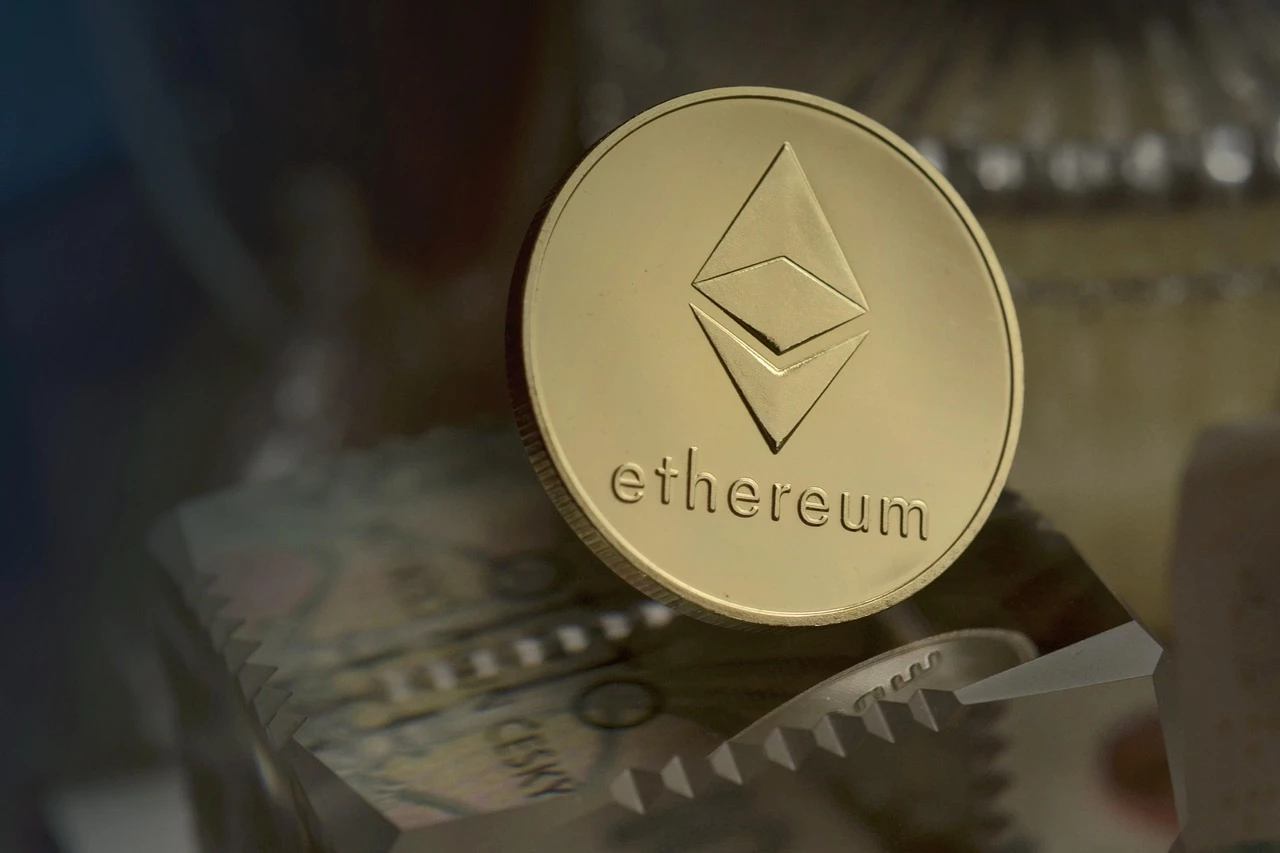
Decentralized Finance, or DeFi, refers to financial services that are built on blockchain technology, primarily Ethereum. Unlike traditional finance, DeFi operates without intermediaries, allowing users to lend, borrow, trade, and earn interest directly through smart contracts. This opens up a world of possibilities for users globally, especially those who are unbanked or underbanked.
The Importance of DeFi in Today's Economy
In a rapidly changing financial landscape, DeFi plays a crucial role by providing access to financial services for everyone, regardless of location or socioeconomic status. It promotes transparency, reduces costs, and enhances financial inclusion, which are critical in today's economy.
Current Trends in DeFi
Growing Adoption of DeFi Protocols
As more users become aware of DeFi, the adoption rate continues to climb. Platforms like Uniswap, Aave, and Compound are leading the charge, attracting millions in liquidity and daily transactions. This trend signifies a shift in how people view and interact with financial services.
Interoperability and Cross-Chain Solutions
The need for interoperability among different blockchains is becoming increasingly evident. Solutions that allow assets and data to move seamlessly across multiple chains are essential for the growth of DeFi. Projects focused on cross-chain functionality are gaining traction, promising to unlock even more potential in this space.
Challenges Facing the DeFi Sector
Regulatory Scrutiny
As DeFi grows, so does the attention from regulatory bodies. Governments are beginning to scrutinize DeFi projects for compliance with existing financial regulations. This could lead to a more structured environment, but it may also stifle innovation if not approached carefully.
Security Risks and Smart Contract Vulnerabilities
The DeFi space has seen its fair share of hacks and exploits due to vulnerabilities in smart contracts. As projects mature, the importance of security audits and best practices for developers becomes paramount to protect users and build trust in the ecosystem.
Opportunities for Investors and Developers
Yield Farming and Liquidity Mining
Yield farming and liquidity mining have become popular strategies for investors looking to maximize returns in DeFi. By providing liquidity to protocols, users can earn rewards, but they must also be aware of the associated risks.
Builders who last in The Evolving Landscape of DeFi: Opportunities and Challenges Ahead do unglamorous work. Document edge cases, measure latency, track fees and liquidity, and review error budgets. Discipline compounds faster than hot takes. Treat KULA as one variable in a wider model. Clarity in scope and metrics keeps teams aligned in The Evolving Landscape of DeFi: Opportunities and Challenges Ahead. Write crisp definitions of done, instrument the path to green, and audit dependencies. Small, testable changes lower risk and speed up feedback. Operating in The Evolving Landscape of DeFi: Opportunities and Challenges Ahead benefits from early telemetry and automated dashboards. Transparency reduces rework and panic moves. When KULA shifts, context is already captured, so you can adjust calmly instead of reacting late. Focus on liquidity, counterparty risk, and execution quality in The Evolving Landscape of DeFi: Opportunities and Challenges Ahead. Prefer clear fee schedules and avoid hidden slippage. When uncertainty rises, reduce position size and extend review intervals. Most outcomes in The Evolving Landscape of DeFi: Opportunities and Challenges Ahead come from repeatable systems. Define assumptions, risks, invalidation points, and a recheck cadence. This habit beats narratives. Use KULA as a lens, but let decisions follow current data, not hype.
Builders who last in The Evolving Landscape of DeFi: Opportunities and Challenges Ahead do unglamorous work. Document edge cases, measure latency, track fees and liquidity, and review error budgets. Discipline compounds faster than hot takes. Treat KULA as one variable in a wider model. Most outcomes in The Evolving Landscape of DeFi: Opportunities and Challenges Ahead come from repeatable systems. Define assumptions, risks, invalidation points, and a recheck cadence. This habit beats narratives. Use KULA as a lens, but let decisions follow current data, not hype. Operating in The Evolving Landscape of DeFi: Opportunities and Challenges Ahead benefits from early telemetry and automated dashboards. Transparency reduces rework and panic moves. When KULA shifts, context is already captured, so you can adjust calmly instead of reacting late.
Innovative Financial Products
DeFi is paving the way for new financial products that were previously unimaginable. From synthetic assets to decentralized insurance, the potential for innovation is vast, presenting exciting opportunities for developers to create unique offerings.
Key Takeaways
- Document assumptions and invalidation.
- Automate logs and alert on anomalies.
- Cut losers early, let winners work.
- Use data, not headlines, to decide.