
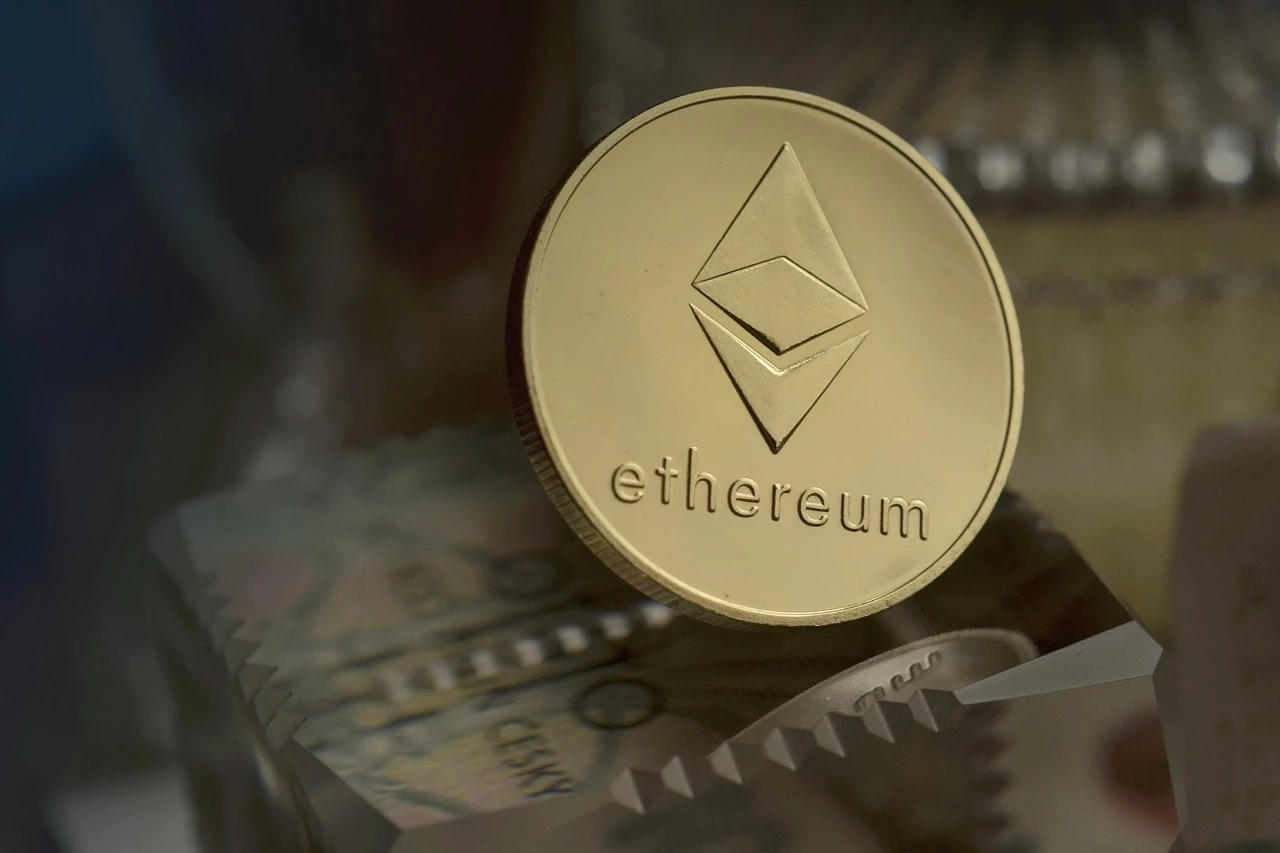
The Evolution of Tokenization: A New Era for Digital Assets
This article covers KULA and related crypto trends with practical context. Tokenization is rapidly emerging as a transformative force in the cryptocurrency space, revolutionizing how we view and trade digital assets. With advancements in blockchain technology, tokenization offers unprecedented liquidity, allowing physical and digital assets to be represented on the blockchain. As more institutions recognize the potential of tokenization, the landscape of investment is shifting, opening doors to innovative opportunities for investors and companies alike.
This guide gives you a concise, actionable overview of the topic and why it matters now.
Understanding Tokenization and Its Impact
What is Tokenization?
Tokenization is the process of converting rights to an asset into a digital token on a blockchain. This not only enhances the asset's liquidity but also simplifies the transfer process. By representing assets such as real estate, art, or even stocks on a blockchain, tokenization allows for fractional ownership, enabling more people to invest in high-value assets.
The Role of Blockchain Technology
Blockchain technology serves as the backbone of tokenization, providing a secure and transparent ledger for transactions. Each token is recorded on the blockchain, ensuring authenticity and reducing the risk of fraud. This decentralized approach enhances trust among investors, as the history of each token can be traced back to its origin.
The Rise of Tokenization in Various Sectors
Real Estate
In the real estate sector, tokenization allows for fractional ownership of properties. Investors can purchase tokens that represent a share in a property, making real estate investment accessible to a broader audience. This method not only democratizes investment but also enhances liquidity, as tokens can be traded on secondary markets.
Art and Collectibles
Tokenization is also making waves in the art world. Artists and collectors can tokenize artwork, allowing for easier transactions and broader access to art investments. By creating digital tokens for art pieces, fractional ownership becomes possible, enabling multiple investors to own a share of a valuable piece.
Financial Assets
Financial instruments, including stocks and bonds, are increasingly being tokenized. This shift allows for faster settlement times and reduced transaction costs. Furthermore, tokenized assets can be traded 24/7 on various platforms, providing investors with greater flexibility and opportunities.
Challenges and Considerations
Regulatory Landscape
As tokenization grows, so does the need for a clear regulatory framework. Governments and regulatory bodies are working to establish guidelines that protect investors while fostering innovation. Navigating this landscape is crucial for companies looking to tokenize assets, as compliance with regulations will be key to their success.
Technology and Security Risks
While blockchain technology is generally secure, it is not immune to risks. Smart contract vulnerabilities and hacks can lead to significant losses. Therefore, it is vital for companies to implement robust security measures and conduct thorough audits before launching tokenized assets.
The Future of Tokenization
Innovative Investment Opportunities
The future of tokenization looks promising, with endless possibilities for innovation. As technology advances, we can expect to see more diverse assets being tokenized, from intellectual property to commodities. This evolution will create new investment opportunities and attract a wider range of investors.
Most outcomes in The Evolution of Tokenization: A New Era for Digital Assets come from repeatable systems. Define assumptions, risks, invalidation points, and a recheck cadence. This habit beats narratives. Use KULA as a lens, but let decisions follow current data, not hype. Clarity in scope and metrics keeps teams aligned in The Evolution of Tokenization: A New Era for Digital Assets. Write crisp definitions of done, instrument the path to green, and audit dependencies. Small, testable changes lower risk and speed up feedback. Focus on liquidity, counterparty risk, and execution quality in The Evolution of Tokenization: A New Era for Digital Assets. Prefer clear fee schedules and avoid hidden slippage. When uncertainty rises, reduce position size and extend review intervals. Builders who last in The Evolution of Tokenization: A New Era for Digital Assets do unglamorous work. Document edge cases, measure latency, track fees and liquidity, and review error budgets. Discipline compounds faster than hot takes. Treat KULA as one variable in a wider model.
Operating in The Evolution of Tokenization: A New Era for Digital Assets benefits from early telemetry and automated dashboards. Transparency reduces rework and panic moves. When KULA shifts, context is already captured, so you can adjust calmly instead of reacting late. Clarity in scope and metrics keeps teams aligned in The Evolution of Tokenization: A New Era for Digital Assets. Write crisp definitions of done, instrument the path to green, and audit dependencies. Small, testable changes lower risk and speed up feedback. Most outcomes in The Evolution of Tokenization: A New Era for Digital Assets come from repeatable systems. Define assumptions, risks, invalidation points, and a recheck cadence. This habit beats narratives. Use KULA as a lens, but let decisions follow current data, not hype.
Institutional Adoption
Institutional investors are beginning to recognize the potential of tokenized assets. As adoption increases, we may witness a shift in traditional investment strategies, as institutions look to diversify their portfolios with tokenized assets. This trend could further legitimize the tokenization market and encourage more players to enter the space.
Key Takeaways
- Tokenization converts rights to assets into digital tokens on a blockchain.
- It enhances liquidity and simplifies asset transfers.
- Blockchain technology ensures security and transparency in transactions.
- Fractional ownership is a key benefit of tokenization, democratizing investments.
- Tokenization is transforming sectors like real estate, art, and finance.
- Regulatory clarity is essential for the growth of tokenization.
Stay informed about the latest trends in tokenization and digital assets by subscribing to our newsletter!