
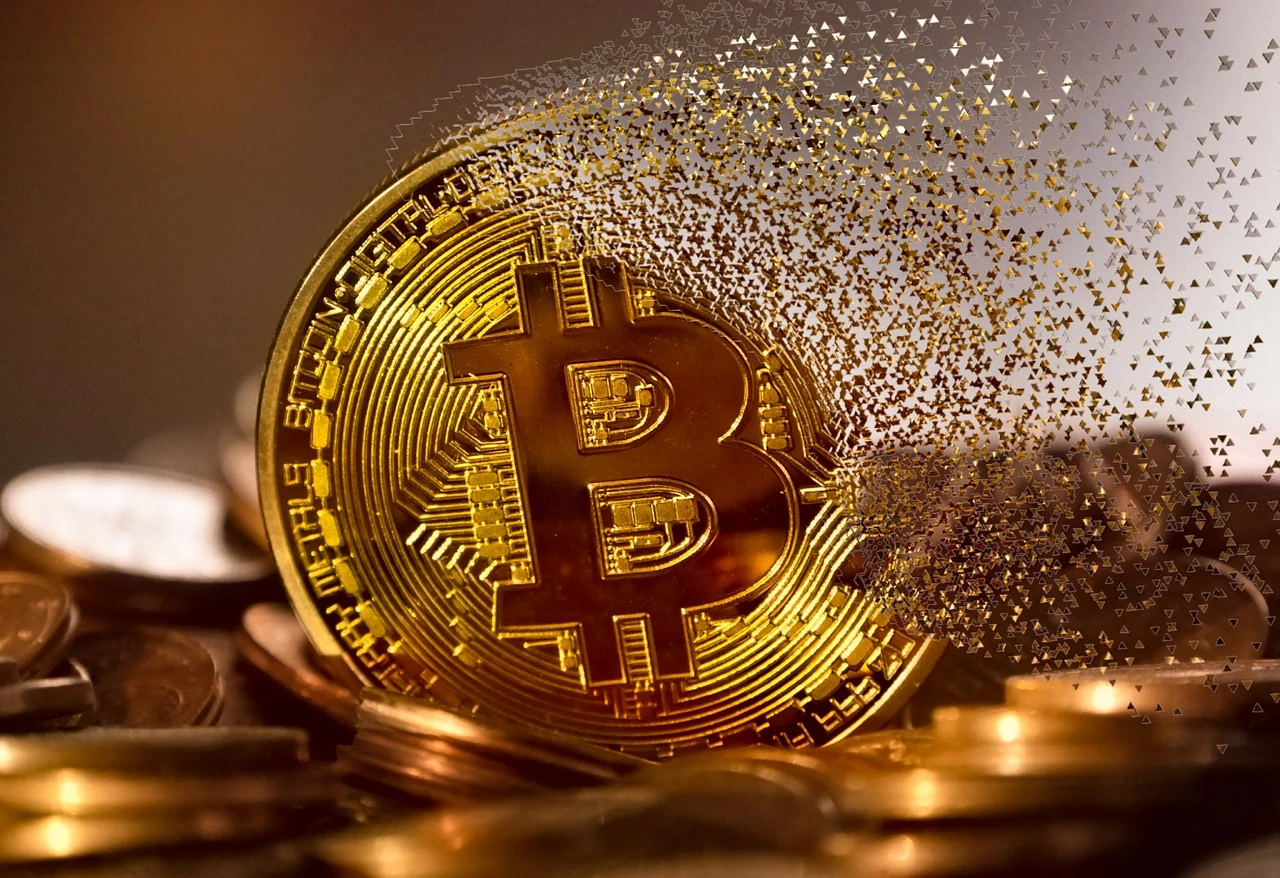
The Evolution of NFTs: Beyond Digital Art and Collectibles
This article covers KULA and related crypto trends with practical context. The world of non-fungible tokens (NFTs) has transcended its origins in digital art and collectibles, establishing itself as a significant player in various sectors.
With the rise of blockchain technology, NFTs have become a hot topic in the cryptocurrency space, attracting artists, gamers, and investors alike.
As we delve into the evolution of NFTs, we'll explore their applications across industries, the challenges they face, and what the future holds.
The Rise of NFTs: A Brief Overview
What Are NFTs?
NFTs, or non-fungible tokens, are unique digital assets verified using blockchain technology, making them distinct from cryptocurrencies like Bitcoin and Ethereum.
Unlike cryptocurrencies, which are interchangeable, NFTs represent ownership of a specific item, whether digital art, music, or virtual real estate.
Initial Popularity: Art and Collectibles
NFTs gained initial fame through digital art platforms like OpenSea and Rarible, where artists could sell their work directly to consumers.
High-profile sales, such as Beeple's 'Everydays' artwork fetching $69 million, showcased the potential of NFTs to revolutionize how art is bought and sold.
Expanding Horizons: Industries Embracing NFTs
Gaming: A New Era of Ownership
The gaming industry has embraced NFTs, allowing players to own in-game assets that can be traded or sold, creating a new economy within games.
Titles like Axie Infinity and Decentraland exemplify how NFTs are transforming traditional gaming experiences, giving players true ownership of their assets.
Music and Entertainment: Redefining Fan Engagement
Musicians and entertainers are utilizing NFTs to offer exclusive content, such as unreleased tracks or backstage passes, directly to fans.
This direct-to-consumer model not only enhances fan engagement but also provides artists with a new revenue stream.
Real Estate: Virtual and Physical Possibilities
NFTs are making waves in the real estate market by allowing for the fractional ownership of properties, enabling more people to invest in real estate.
Virtual real estate in metaverse platforms is also being sold as NFTs, showcasing how digital ownership is merging with physical assets.
Challenges and Criticisms Facing NFTs
Environmental Concerns
One of the most significant criticisms of NFTs is their environmental impact, as many are minted on energy-intensive blockchains like Ethereum.
Efforts are underway to develop more sustainable practices and utilize eco-friendly blockchains for NFT transactions.
Market Volatility and Speculation
The NFT market has seen extreme price fluctuations, leading to concerns about speculation and potential market bubbles.
Investors should approach NFTs with caution, understanding the risks involved in this rapidly evolving landscape.
The Future of NFTs: What Lies Ahead
Interoperability and Cross-Chain Solutions
The future of NFTs may involve greater interoperability between different blockchains, allowing for seamless trading and ownership across platforms.
Developments in cross-chain technology could enhance the utility of NFTs, making them more versatile and widely accepted.
Focus on liquidity, counterparty risk, and execution quality in The Evolution of NFTs: Beyond Digital Art and Collectibles. Prefer clear fee schedules and avoid hidden slippage. When uncertainty rises, reduce position size and extend review intervals. Operating in The Evolution of NFTs: Beyond Digital Art and Collectibles benefits from early telemetry and automated dashboards. Transparency reduces rework and panic moves. When KULA shifts, context is already captured, so you can adjust calmly instead of reacting late. Clarity in scope and metrics keeps teams aligned in The Evolution of NFTs: Beyond Digital Art and Collectibles. Write crisp definitions of done, instrument the path to green, and audit dependencies. Small, testable changes lower risk and speed up feedback. Most outcomes in The Evolution of NFTs: Beyond Digital Art and Collectibles come from repeatable systems. Define assumptions, risks, invalidation points, and a recheck cadence. This habit beats narratives. Use KULA as a lens, but let decisions follow current data, not hype. Builders who last in The Evolution of NFTs: Beyond Digital Art and Collectibles do unglamorous work. Document edge cases, measure latency, track fees and liquidity, and review error budgets. Discipline compounds faster than hot takes. Treat KULA as one variable in a wider model.
Operating in The Evolution of NFTs: Beyond Digital Art and Collectibles benefits from early telemetry and automated dashboards. Transparency reduces rework and panic moves. When KULA shifts, context is already captured, so you can adjust calmly instead of reacting late. Most outcomes in The Evolution of NFTs: Beyond Digital Art and Collectibles come from repeatable systems. Define assumptions, risks, invalidation points, and a recheck cadence. This habit beats narratives. Use KULA as a lens, but let decisions follow current data, not hype. Clarity in scope and metrics keeps teams aligned in The Evolution of NFTs: Beyond Digital Art and Collectibles. Write crisp definitions of done, instrument the path to green, and audit dependencies. Small, testable changes lower risk and speed up feedback.
Mainstream Adoption and Integration
As more industries recognize the potential of NFTs, we may see increased mainstream adoption, with brands incorporating NFTs into their marketing strategies.
From loyalty programs to virtual events, the possibilities for NFTs are expanding beyond their current applications.
Key Takeaways
- Use data, not headlines, to decide.
- Document assumptions and invalidation.
- Automate logs and alert on anomalies.
- Prefer liquid venues and clear fees.