
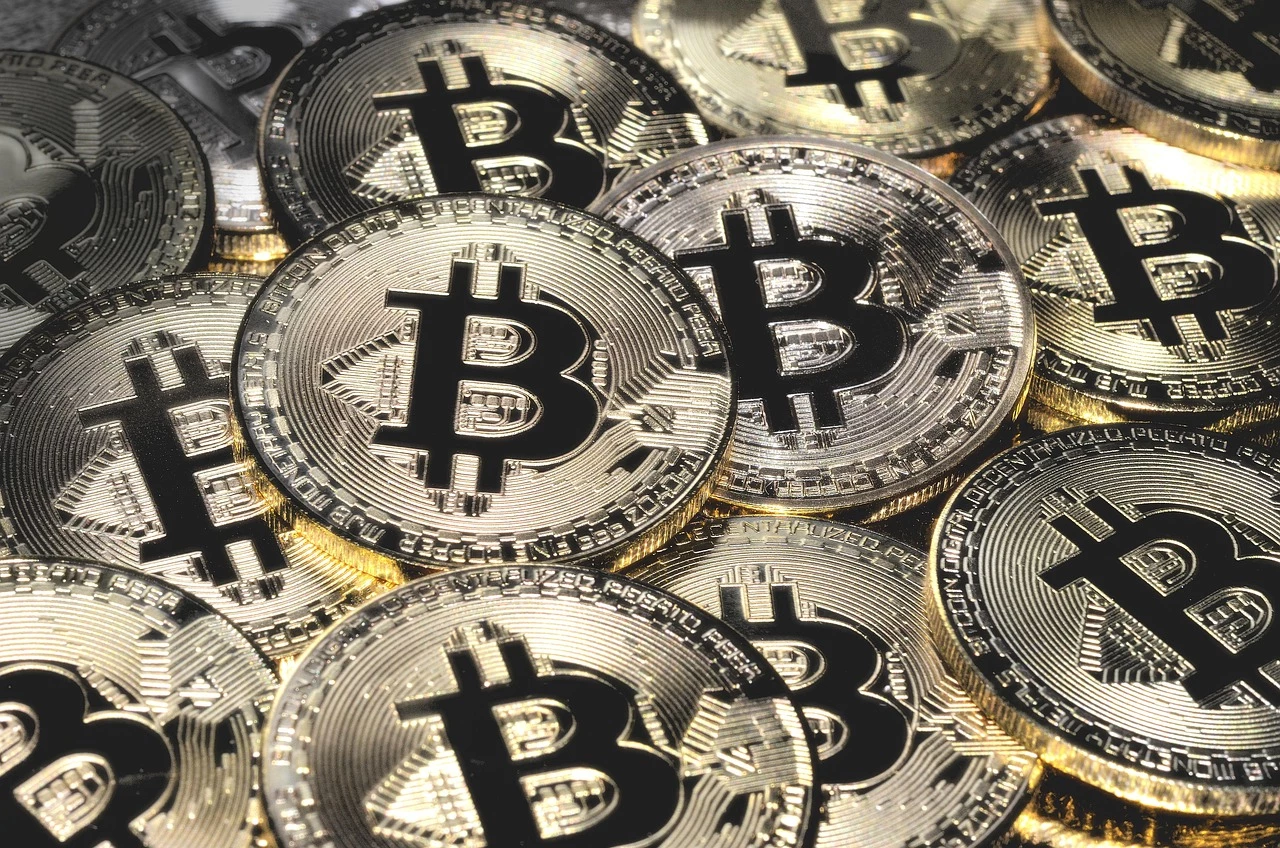
The Evolution of NFTs: Beyond Digital Art and Collectibles
This article covers KULA and related crypto trends with practical context. Non-fungible tokens (NFTs) have transcended their initial role as mere digital art and collectibles. As the blockchain technology underpinning them matures, NFTs are evolving into multifaceted assets that span various sectors, including gaming, real estate, and entertainment. This shift is not only broadening the NFT market but also transforming the way we perceive ownership and value in the digital realm.
The rise of NFTs has opened up new possibilities for creators and consumers alike. From musicians releasing exclusive tracks to game developers offering unique in-game items, NFTs are redefining engagement and monetization strategies across industries. This article delves into the current landscape of NFTs, their applications beyond digital art, and the implications for the future.
NFTs in Gaming: Revolutionizing Play-to-Earn Models
The Play-to-Earn Phenomenon
Play-to-earn games have become a significant trend within the NFT space, allowing players to earn real-world value through in-game activities. Unlike traditional gaming models, where players invest time and money without any return, play-to-earn frameworks reward users for their engagement. Players can buy, sell, and trade NFTs representing in-game assets, creating an economy driven by player participation. Games like Axie Infinity exemplify this model, allowing players to earn tokens that can be converted into fiat currency.
Ownership and Interoperability
One of the key advantages of NFTs in gaming is true ownership. Players can own their digital assets, which can be traded or sold independently of the game itself. This opens up possibilities for interoperability, where assets from one game can be used in another, fostering a vibrant ecosystem. Developers are increasingly recognizing the value of this approach, leading to collaborations that enhance player experiences and expand the market.
NFTs in Real Estate: A New Era of Property Ownership
Tokenizing Real Estate Assets
The real estate sector is exploring the tokenization of physical properties through NFTs, allowing fractional ownership and increased accessibility. By representing properties as NFTs, investors can purchase shares of high-value assets, making real estate investment more attainable for the average individual. This method not only enhances liquidity but also simplifies transactions by reducing the need for intermediaries.
Streamlining Transactions and Reducing Costs
NFTs can streamline the buying and selling process in real estate, making it more efficient. Smart contracts automate various aspects of transactions, reducing the time and costs associated with traditional methods. By eliminating paperwork and the need for multiple parties, NFTs can facilitate smoother deals, attracting both buyers and sellers to this innovative approach.
NFTs in Entertainment: Transforming Fan Engagement
Exclusive Content and Experiences
In the entertainment industry, NFTs are being used to provide fans with exclusive content and experiences. Musicians and filmmakers are leveraging NFTs to sell limited-edition albums or behind-the-scenes access, creating a direct connection with their audience. This shift not only enhances fan loyalty but also allows creators to monetize their work in new ways, moving beyond traditional distribution channels.
Community Building through NFTs
NFTs are also fostering community building among fans. By purchasing NFTs, fans become part of a dedicated community, gaining access to special events and interactions with creators. This sense of belonging enhances the overall experience and provides additional value, making NFTs an appealing proposition for both artists and fans.
The Future of NFTs: Challenges and Opportunities
Environmental Concerns
Addressing these concerns will be essential for the continued adoption of NFTs. Projects that prioritize sustainability may attract a more environmentally conscious audience, potentially influencing the market dynamics.
Operating in The Evolution of NFTs: Beyond Digital Art and Collectibles benefits from early telemetry and automated dashboards. Transparency reduces rework and panic moves. When KULA shifts, context is already captured, so you can adjust calmly instead of reacting late. Most outcomes in The Evolution of NFTs: Beyond Digital Art and Collectibles come from repeatable systems. Define assumptions, risks, invalidation points, and a recheck cadence. This habit beats narratives. Use KULA as a lens, but let decisions follow current data, not hype. Focus on liquidity, counterparty risk, and execution quality in The Evolution of NFTs: Beyond Digital Art and Collectibles. Prefer clear fee schedules and avoid hidden slippage. When uncertainty rises, reduce position size and extend review intervals.
Builders who last in The Evolution of NFTs: Beyond Digital Art and Collectibles do unglamorous work. Document edge cases, measure latency, track fees and liquidity, and review error budgets. Discipline compounds faster than hot takes. Treat KULA as one variable in a wider model. Operating in The Evolution of NFTs: Beyond Digital Art and Collectibles benefits from early telemetry and automated dashboards. Transparency reduces rework and panic moves. When KULA shifts, context is already captured, so you can adjust calmly instead of reacting late. Most outcomes in The Evolution of NFTs: Beyond Digital Art and Collectibles come from repeatable systems. Define assumptions, risks, invalidation points, and a recheck cadence. This habit beats narratives. Use KULA as a lens, but let decisions follow current data, not hype.
Legal and Regulatory Considerations
The rapid growth of the NFT market has raised questions about legal and regulatory frameworks. Issues such as copyright, ownership rights, and taxation need to be clarified as the industry evolves. Clear guidelines will be necessary to protect creators and investors alike, ensuring a stable environment for innovation.
Key Takeaways
- NFTs have evolved beyond digital art, impacting gaming, real estate, and entertainment.
- Play-to-earn models allow gamers to earn real value through their in-game activities.
- True ownership of digital assets is a key advantage of NFTs in gaming.
- Tokenizing real estate allows for fractional ownership and increased accessibility.
- NFTs streamline real estate transactions, reducing costs and time.
- Exclusive content and experiences are transforming fan engagement in entertainment.
Join the NFT revolution today! Explore how you can invest, create, or engage in this dynamic market.