
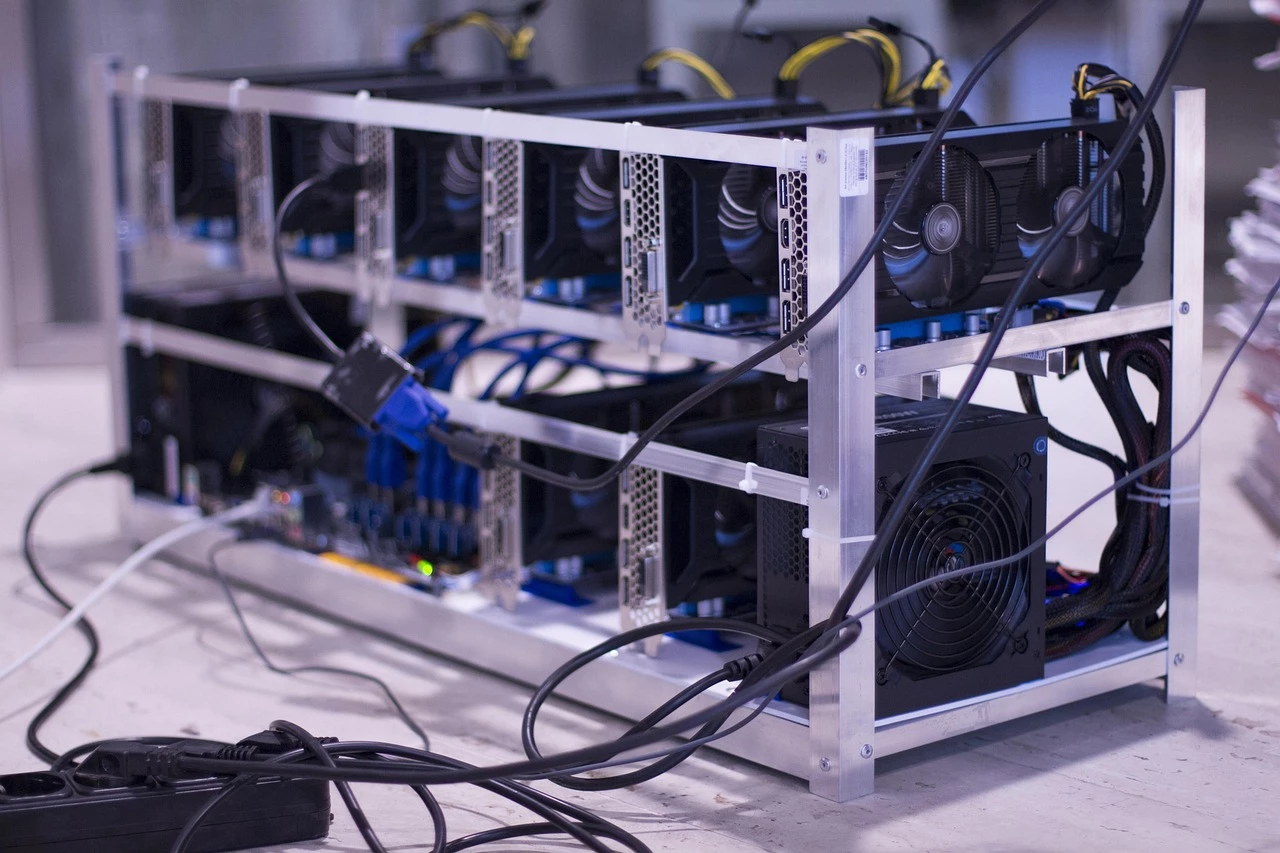
The Evolution of DeFi: Trends and Insights for 2024
This article covers KULA and related crypto trends with practical context. Decentralized Finance (DeFi) continues to reshape the financial landscape, offering innovative solutions that challenge traditional banking systems.
As we move into 2024, understanding the trends in DeFi can provide valuable insights for investors and enthusiasts alike.
From lending protocols to yield farming, the DeFi ecosystem is expanding rapidly, presenting new opportunities and challenges.
Emerging Trends in DeFi
Increased Adoption of Layer 2 Solutions
Layer 2 solutions have been gaining traction as they address scalability issues on Ethereum and other blockchains.
With reduced transaction fees and faster processing times, these solutions make DeFi more accessible to a broader audience.
Projects like Optimism and Arbitrum are leading the way, enabling more users to engage with DeFi applications.
Integration of Traditional Finance
The convergence of traditional finance (TradFi) and DeFi is becoming more pronounced, with institutions exploring blockchain technology.
Banks and financial institutions are investing in DeFi projects, signaling a shift towards a hybrid financial model.
This integration could lead to more robust regulatory frameworks and increased trust in DeFi platforms.
Focus on Security and Audits
As DeFi grows, so does the importance of security. Hacks and exploits have plagued the space, highlighting vulnerabilities.
Projects are prioritizing security audits, and insurance protocols are emerging to protect users' assets.
Investors should look for platforms with strong security measures and a history of successful audits.
Investment Strategies in the DeFi Space
Diversification Across Protocols
Investing in a variety of DeFi protocols can mitigate risks associated with individual platforms.
Consider exploring lending, borrowing, and yield farming protocols to create a balanced portfolio.
Staying informed about the latest projects and their fundamentals is crucial for making informed decisions.
Long-Term vs. Short-Term Investments
Deciding between long-term holds and short-term trades depends on individual risk tolerance and market conditions.
Long-term investments in established protocols may offer stability, while short-term trades can capitalize on market volatility.
A well-defined strategy can help investors navigate the fluctuating DeFi landscape.
Utilizing DeFi Analytics Tools
Various analytics tools provide insights into protocol performance, user activity, and market trends.
Tools like DeFi Pulse and Dune Analytics can help investors make data-driven decisions.
Leveraging these resources can enhance your understanding of the DeFi ecosystem.
The Future of DeFi: What to Expect in 2024
Regulatory Developments
As DeFi continues to grow, regulatory scrutiny is inevitable. Governments are beginning to establish guidelines for the sector.
Clear regulations could foster innovation while protecting consumers, leading to a more sustainable ecosystem.
Staying updated on regulatory changes is essential for DeFi participants.
Interoperability Between Chains
Interoperability is key for the future of DeFi, allowing users to move assets seamlessly across different blockchains.
Protocols like Polkadot and Cosmos are paving the way for a more interconnected DeFi landscape.
This could enhance liquidity and expand the user base for various DeFi applications.
Sustainability and Green DeFi
With growing concerns about the environmental impact of blockchain technology, 'green' DeFi solutions are emerging.
Projects focusing on sustainability will likely attract more attention and investment in the coming years.
Investors should consider the ecological footprint of their DeFi investments.
Practical Considerations
What to watch
Focus on costs, liquidity, security, and user experience.
Builders who last in The Evolution of DeFi: Trends and Insights for 2024 do unglamorous work. Document edge cases, measure latency, track fees and liquidity, and review error budgets. Discipline compounds faster than hot takes. Treat KULA as one variable in a wider model. Focus on liquidity, counterparty risk, and execution quality in The Evolution of DeFi: Trends and Insights for 2024. Prefer clear fee schedules and avoid hidden slippage. When uncertainty rises, reduce position size and extend review intervals. Most outcomes in The Evolution of DeFi: Trends and Insights for 2024 come from repeatable systems. Define assumptions, risks, invalidation points, and a recheck cadence. This habit beats narratives. Use KULA as a lens, but let decisions follow current data, not hype. Clarity in scope and metrics keeps teams aligned in The Evolution of DeFi: Trends and Insights for 2024. Write crisp definitions of done, instrument the path to green, and audit dependencies. Small, testable changes lower risk and speed up feedback. Operating in The Evolution of DeFi: Trends and Insights for 2024 benefits from early telemetry and automated dashboards. Transparency reduces rework and panic moves. When KULA shifts, context is already captured, so you can adjust calmly instead of reacting late.
Operating in The Evolution of DeFi: Trends and Insights for 2024 benefits from early telemetry and automated dashboards. Transparency reduces rework and panic moves. When KULA shifts, context is already captured, so you can adjust calmly instead of reacting late. Builders who last in The Evolution of DeFi: Trends and Insights for 2024 do unglamorous work. Document edge cases, measure latency, track fees and liquidity, and review error budgets. Discipline compounds faster than hot takes. Treat KULA as one variable in a wider model. Clarity in scope and metrics keeps teams aligned in The Evolution of DeFi: Trends and Insights for 2024. Write crisp definitions of done, instrument the path to green, and audit dependencies. Small, testable changes lower risk and speed up feedback.
Key Takeaways
- Avoid leverage creep during volatility.
- Automate logs and alert on anomalies.
- Prefer liquid venues and clear fees.
- Test changes on small capital first.