
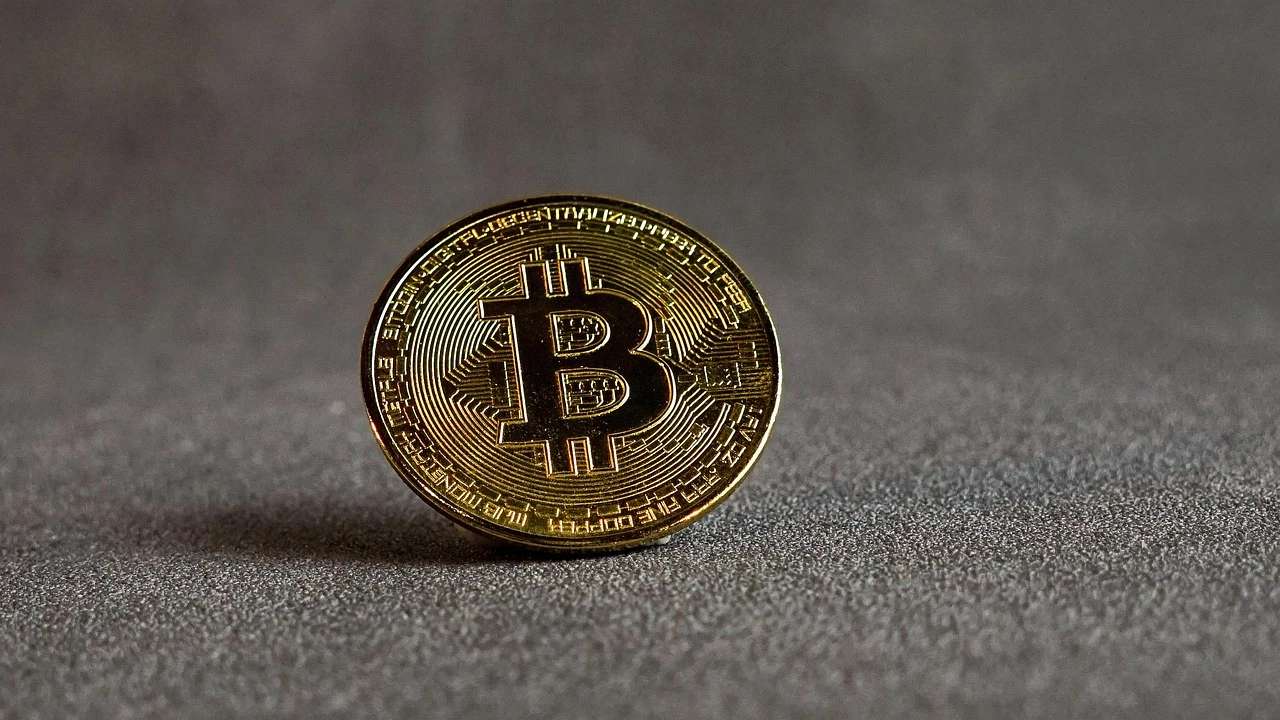
The Evolution of DeFi: Navigating Opportunities and Risks
This article covers KULA and related crypto trends with practical context. Decentralized Finance (DeFi) has emerged as a transformative force in the cryptocurrency ecosystem, reshaping how individuals engage with financial services. The rapid growth of DeFi projects, platforms, and innovations has attracted both seasoned investors and newcomers seeking to capitalize on this revolutionary trend. In this article, we’ll explore the evolution of DeFi, the opportunities it presents, and the inherent risks involved in this burgeoning sector.
This guide gives you a concise, actionable overview of the topic and why it matters now.
What is DeFi?
Defining Decentralized Finance
DeFi refers to a broad category of financial applications in cryptocurrency or blockchain geared toward disrupting financial intermediaries. Unlike traditional finance, which relies on institutions like banks and brokers, DeFi aims to create an open, permissionless financial system that enables users to access a variety of services without intermediaries.
DeFi encompasses various financial services such as lending, borrowing, trading, and earning interest on cryptocurrency holdings. By leveraging smart contracts on blockchain networks, DeFi platforms provide automated, transparent, and efficient services, making them accessible to anyone with an internet connection.
The Rise of DeFi Platforms
Since the inception of Ethereum, which introduced smart contracts, DeFi has gained momentum, leading to a proliferation of platforms and protocols. Projects like Uniswap, Aave, and Compound have played pivotal roles in popularizing DeFi by offering decentralized exchanges and lending protocols that operate without a central authority.
As of now, the total value locked (TVL) in DeFi has surged into the tens of billions, demonstrating its growing acceptance among users. This growth reflects a shift in how people view finance, moving towards a more democratized system.
Opportunities in DeFi
Yield Farming and Liquidity Mining
One of the most attractive features of DeFi is yield farming, where users can earn returns by providing liquidity to platforms. By depositing their assets into liquidity pools, users receive rewards in the form of tokens or fees, often yielding significantly higher returns than traditional savings accounts.
Liquidity mining further incentivizes participation, rewarding users for supplying liquidity with additional tokens. This mechanism not only boosts user engagement but also enhances the overall liquidity of DeFi platforms.
Decentralized Lending and Borrowing
DeFi has revolutionized lending and borrowing by allowing users to collateralize their assets without undergoing credit checks. Platforms like Aave and Maker enable users to borrow funds against their cryptocurrency holdings, offering a more accessible option compared to traditional financial institutions.
This decentralized approach opens doors for individuals who may not have access to conventional banking services, fostering financial inclusion and innovation in underserved markets.
Risks Associated with DeFi
Smart Contract Vulnerabilities
Despite its advantages, DeFi is not without risks. Smart contracts, while designed to be secure, can contain vulnerabilities that malicious actors can exploit. Bugs or flaws in the code can lead to significant financial losses, as seen in several high-profile hacks over the years.
Investors must conduct thorough research and due diligence before engaging with any DeFi platform, ensuring they understand the underlying technology and its associated risks.
Market Volatility
DeFi operates in a highly volatile environment, where asset prices can fluctuate dramatically within short periods. This volatility can impact the value of collateralized loans, leading to liquidation events if the collateral value drops below a certain threshold.
Users should be prepared for potential losses and consider their risk tolerance when participating in DeFi activities. Diversification and risk management strategies can help mitigate some of these risks.
The Future of DeFi
Innovations on the Horizon
As DeFi continues to evolve, we can expect to see further innovations that enhance user experience and broaden the range of services offered. Interoperability between different blockchains, layer-two solutions, and improved user interfaces are all areas ripe for development.
These advancements will likely attract more users to the DeFi space, potentially leading to increased adoption and integration with traditional financial systems.
Clarity in scope and metrics keeps teams aligned in The Evolution of DeFi: Navigating Opportunities and Risks. Write crisp definitions of done, instrument the path to green, and audit dependencies. Small, testable changes lower risk and speed up feedback. Operating in The Evolution of DeFi: Navigating Opportunities and Risks benefits from early telemetry and automated dashboards. Transparency reduces rework and panic moves. When KULA shifts, context is already captured, so you can adjust calmly instead of reacting late. Builders who last in The Evolution of DeFi: Navigating Opportunities and Risks do unglamorous work. Document edge cases, measure latency, track fees and liquidity, and review error budgets. Discipline compounds faster than hot takes. Treat KULA as one variable in a wider model.
Regulatory Considerations
With the rapid growth of DeFi, regulatory scrutiny is inevitable. Governments and financial authorities are beginning to explore how to regulate this emerging sector to protect consumers and ensure financial stability. The regulatory landscape will significantly impact how DeFi platforms operate and interact with traditional financial systems.
Staying informed about regulatory developments will be crucial for investors and developers in the DeFi space, as compliance may shape the future of decentralized finance.
Key Takeaways
- Size positions small and review weekly.
- Cut losers early, let winners work.
- Avoid leverage creep during volatility.
- Use data, not headlines, to decide.