
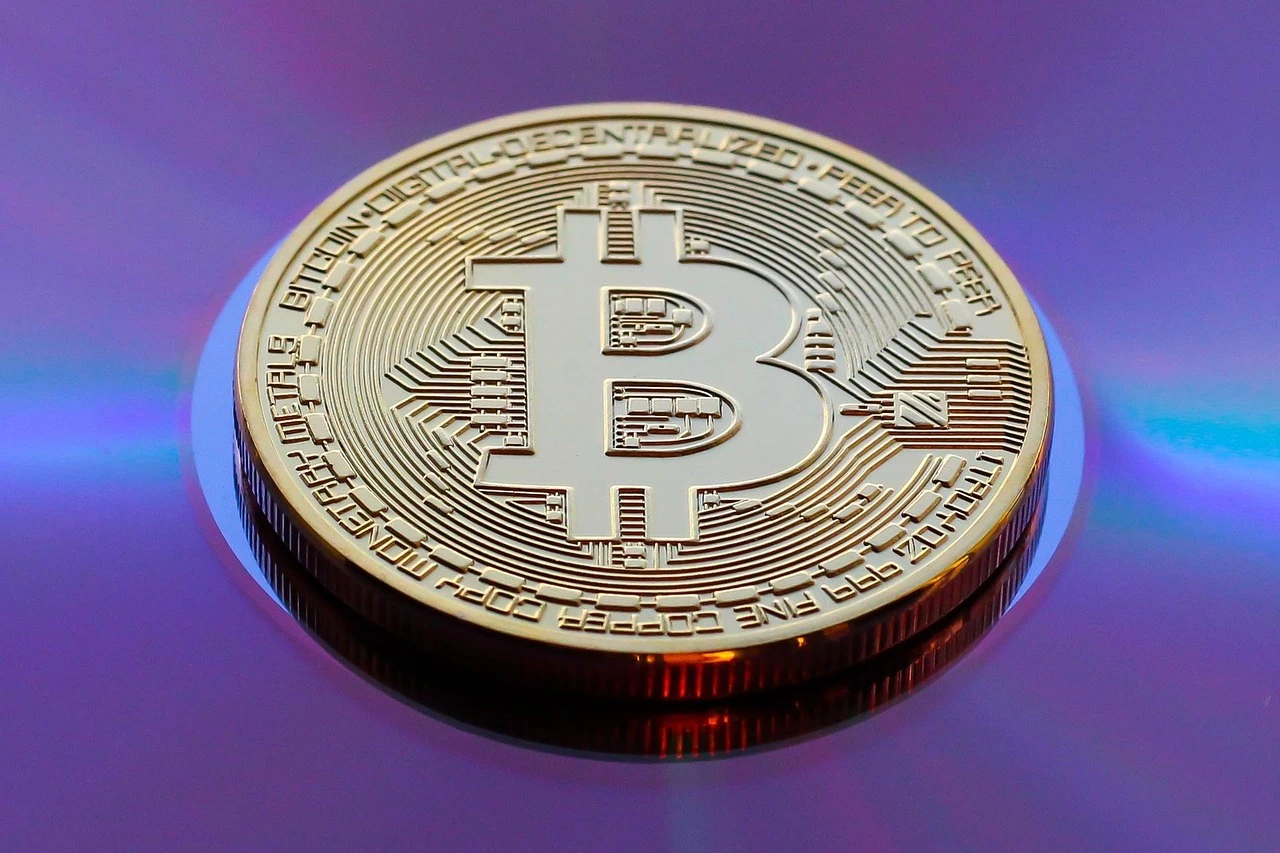
The Evolution of DeFi: How Decentralized Finance is Reshaping the Financial Landscape
This article covers KULA and related crypto trends with practical context. Decentralized Finance (DeFi) has emerged as one of the most transformative innovations in the cryptocurrency space. With its promise of financial inclusion, transparency, and security, DeFi is reshaping traditional financial systems and offering unprecedented opportunities for users globally.
In this article, we will delve into the evolution of DeFi, examining its key components, benefits, challenges, and the future outlook. From lending platforms to decentralized exchanges, understanding DeFi is crucial for anyone looking to navigate the modern financial landscape.
What is Decentralized Finance (DeFi)?
Defining DeFi
Decentralized Finance refers to a system of financial applications built on blockchain technology, primarily Ethereum, that allows users to conduct financial transactions without intermediaries. Unlike traditional finance, which relies on banks and other institutions, DeFi leverages smart contracts to automate processes and provide services such as lending, borrowing, and trading.
This shift towards decentralization aims to democratize finance, making it accessible to anyone with an internet connection, regardless of their location or financial status.
Key Components of DeFi
DeFi encompasses a wide range of applications and protocols. Key components include decentralized exchanges (DEXs), lending platforms, yield farming, and stablecoins. Each of these elements plays a crucial role in the overall ecosystem, providing users with various tools to manage their digital assets efficiently.
For instance, DEXs allow users to trade cryptocurrencies directly from their wallets without the need for a centralized authority, while lending platforms enable users to borrow and lend assets in a trustless environment.
Benefits of DeFi
Increased Accessibility
One of the most significant advantages of DeFi is its accessibility. Traditional financial systems often exclude individuals who lack access to banking services, but DeFi opens the door for anyone to participate in financial activities. Users can engage in lending, borrowing, and trading without the need for a bank account, credit history, or geographical constraints.
This inclusivity is particularly beneficial in underbanked regions, where individuals can leverage DeFi platforms to gain financial independence and access to global markets.
Transparency and Security
Another major benefit of DeFi is the transparency it offers. Transactions are recorded on the blockchain, providing an immutable and verifiable record of all activities. This level of transparency reduces the likelihood of fraud and enhances user trust in the system.
Additionally, the use of smart contracts minimizes human error and operational risks. Once deployed, these contracts execute automatically based on predetermined conditions, ensuring that transactions occur as intended.
Challenges Facing DeFi
Regulatory Uncertainty
Despite its advantages, DeFi faces significant challenges, particularly concerning regulatory uncertainty. As governments around the world grapple with how to regulate this emerging sector, the lack of clear guidelines can create risks for users and developers alike.
Without a defined regulatory framework, DeFi projects may operate in a legal gray area, raising concerns about compliance and potential repercussions for participants.
Security Risks
Security remains a critical concern in the DeFi space. While the technology behind DeFi is designed to be secure, vulnerabilities in smart contracts can lead to exploits and hacks. Several high-profile incidents have highlighted the risks associated with DeFi platforms, underscoring the importance of thorough audits and ongoing security measures.
Users must remain vigilant and conduct their own research before engaging with any DeFi protocol, as the responsibility for securing assets ultimately lies with the individual.
The Future of DeFi
Integration with Traditional Finance
Looking ahead, the integration of DeFi with traditional finance is a likely trend. Financial institutions are increasingly exploring blockchain technology and DeFi solutions, recognizing their potential to streamline operations and enhance customer experiences.
This convergence could lead to hybrid models that combine the benefits of both worlds, offering users more choices and innovative financial products.
Most outcomes in The Evolution of DeFi: How Decentralized Finance is Reshaping the Financial Landscape come from repeatable systems. Define assumptions, risks, invalidation points, and a recheck cadence. This habit beats narratives. Use KULA as a lens, but let decisions follow current data, not hype. Clarity in scope and metrics keeps teams aligned in The Evolution of DeFi: How Decentralized Finance is Reshaping the Financial Landscape. Write crisp definitions of done, instrument the path to green, and audit dependencies. Small, testable changes lower risk and speed up feedback. Builders who last in The Evolution of DeFi: How Decentralized Finance is Reshaping the Financial Landscape do unglamorous work. Document edge cases, measure latency, track fees and liquidity, and review error budgets. Discipline compounds faster than hot takes. Treat KULA as one variable in a wider model.
Technological Advancements
As the DeFi ecosystem continues to evolve, technological advancements will play a crucial role in its growth. Improvements in scalability, interoperability, and user experience will enhance the functionality of DeFi applications, attracting more users to the space.
Moreover, the development of layer 2 solutions and cross-chain protocols will facilitate seamless interactions between different blockchain networks, further expanding the DeFi landscape.
Key Takeaways
- Use data, not headlines, to decide.
- Automate logs and alert on anomalies.
- Prefer liquid venues and clear fees.
- Test changes on small capital first.