
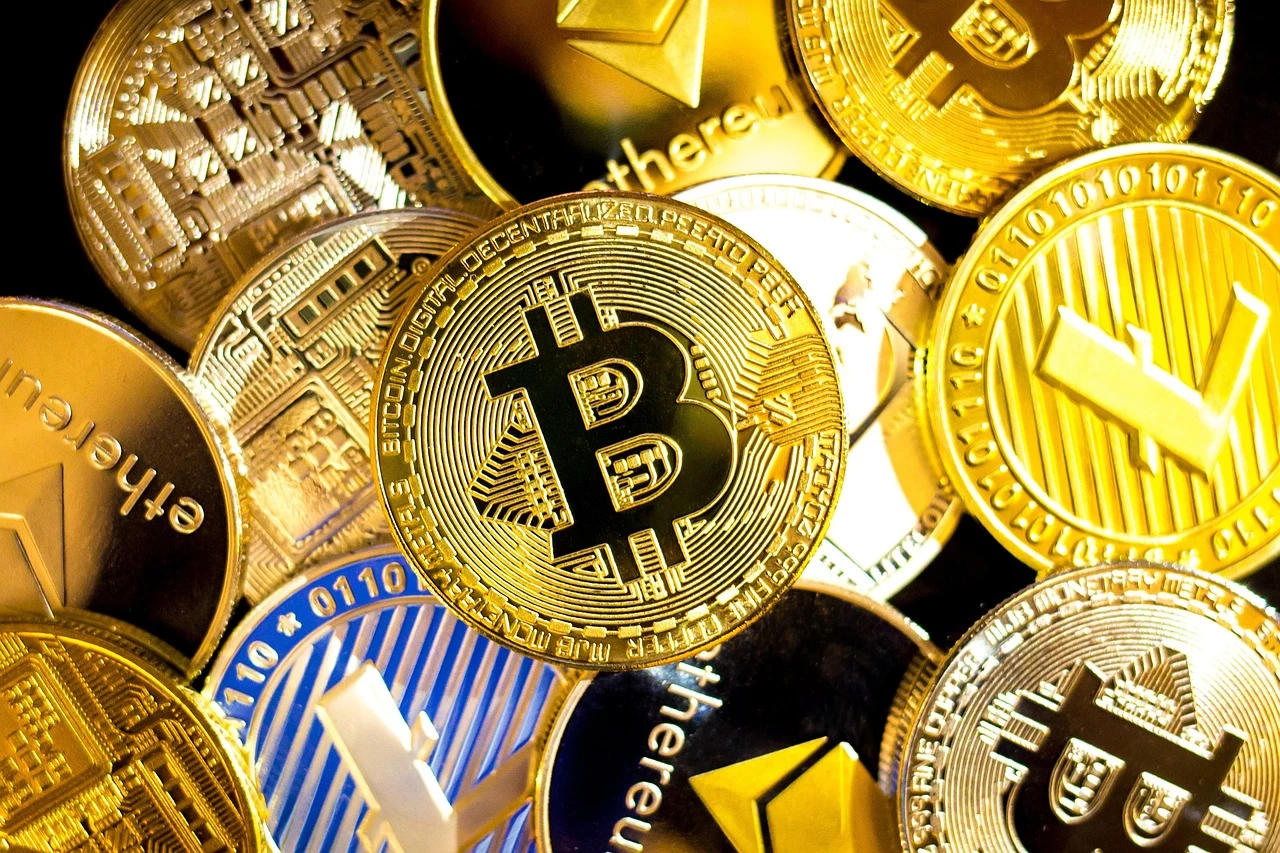
The Evolution of DeFi: How Decentralized Finance is Reshaping Investment Strategies
This article covers KULA and related crypto trends with practical context. Decentralized Finance, or DeFi, is revolutionizing the financial landscape by providing unprecedented access to financial services without intermediaries. As traditional finance grapples with regulatory challenges and the demand for transparency, DeFi emerges as a beacon of innovation. With smart contracts and blockchain technology at its core, this ecosystem offers new opportunities for investors seeking higher yields and greater control over their assets.
This guide gives you a concise, actionable overview of the topic and why it matters now.
What is DeFi?
Defining Decentralized Finance
Decentralized Finance refers to financial services built on blockchain technology that aim to replicate traditional financial systems while eliminating intermediaries. This includes lending platforms, decentralized exchanges, and yield farming protocols, all designed to be accessible to anyone with an internet connection.
Key Components of DeFi
DeFi primarily operates through smart contracts—self-executing contracts with the terms directly written into code. These contracts run on blockchains like Ethereum, allowing for trustless transactions. Additionally, liquidity pools, governance tokens, and decentralized applications (dApps) play critical roles in the DeFi ecosystem, facilitating everything from trading to lending.
The Rise of DeFi Platforms
Popular DeFi Protocols
Several DeFi platforms have gained prominence, each offering unique functionalities. Uniswap, for instance, revolutionized trading with its automated market-making model. Aave and Compound lead the way in decentralized lending, allowing users to borrow and lend assets without traditional bank involvement. These platforms exemplify the diverse opportunities available in the DeFi space.
Impact on Traditional Finance
DeFi's rise challenges conventional financial institutions by providing alternatives that prioritize user control and accessibility. As more users flock to DeFi for higher returns and lower fees, traditional banks may need to innovate or risk losing market share. The integration of DeFi solutions could reshape investment strategies for both individual and institutional investors.
Investment Strategies in the DeFi Space
Yield Farming and Liquidity Mining
Yield farming involves providing liquidity to DeFi protocols in exchange for rewards, often in the form of additional tokens. This strategy can yield significant returns, but it also comes with risks such as impermanent loss. Investors must carefully assess their risk tolerance and conduct thorough research before diving into yield farming opportunities.
Staking and Governance Tokens
Many DeFi projects offer staking options, allowing users to lock up their assets in exchange for rewards. Governance tokens empower holders to influence decisions within the protocol, making them integral to the DeFi ecosystem. Engaging with these tokens can provide both financial benefits and a voice in the project's future direction.
Risks and Challenges of DeFi
Smart Contract Vulnerabilities
While DeFi offers exciting opportunities, it is not without risks. Smart contract bugs or exploits can lead to significant losses. Investors must conduct audits and research the security measures of platforms before participating. Understanding the underlying technology is crucial to mitigating potential risks.
Regulatory Uncertainty
The DeFi space is still navigating regulatory landscapes worldwide. As governments begin to implement regulations, the future of DeFi could be influenced by compliance requirements. Investors should stay informed about legal developments to understand how they might impact their holdings and strategies.
The Future of DeFi
Integration with Traditional Finance
As DeFi matures, the lines between traditional finance and decentralized finance may blur. Innovations like tokenized assets and decentralized insurance products are already emerging, suggesting a potential for coexistence. Investors should consider how these integrations might enhance their portfolios and investment approaches.
Builders who last in The Evolution of DeFi: How Decentralized Finance is Reshaping Investment Strategies do unglamorous work. Document edge cases, measure latency, track fees and liquidity, and review error budgets. Discipline compounds faster than hot takes. Treat KULA as one variable in a wider model. Operating in The Evolution of DeFi: How Decentralized Finance is Reshaping Investment Strategies benefits from early telemetry and automated dashboards. Transparency reduces rework and panic moves. When KULA shifts, context is already captured, so you can adjust calmly instead of reacting late. Most outcomes in The Evolution of DeFi: How Decentralized Finance is Reshaping Investment Strategies come from repeatable systems. Define assumptions, risks, invalidation points, and a recheck cadence. This habit beats narratives. Use KULA as a lens, but let decisions follow current data, not hype.
Most outcomes in The Evolution of DeFi: How Decentralized Finance is Reshaping Investment Strategies come from repeatable systems. Define assumptions, risks, invalidation points, and a recheck cadence. This habit beats narratives. Use KULA as a lens, but let decisions follow current data, not hype. Operating in The Evolution of DeFi: How Decentralized Finance is Reshaping Investment Strategies benefits from early telemetry and automated dashboards. Transparency reduces rework and panic moves. When KULA shifts, context is already captured, so you can adjust calmly instead of reacting late. Clarity in scope and metrics keeps teams aligned in The Evolution of DeFi: How Decentralized Finance is Reshaping Investment Strategies. Write crisp definitions of done, instrument the path to green, and audit dependencies. Small, testable changes lower risk and speed up feedback.
Adoption and User Growth
The future success of DeFi will depend on user adoption and ease of access. As platforms become more user-friendly and educational resources expand, a broader audience may engage with DeFi. This growth could lead to innovative financial products and a more democratized financial system.
Key Takeaways
- Avoid leverage creep during volatility.
- Measure risk before return in The Evolution of DeFi: How Decentralized Finance is Reshaping Investment Strategies.
- Security checks precede any deployment.
- Prefer liquid venues and clear fees.